You cant dodge a Supreme Court travel ban by simply hopping across a few borders, but that didn't stop Flávio Bolsonaro from trying. After losing a high-stakes presidential runoff election in Brazil to Luiz Inácio Lula da Silva, Bolsonaro found himself cornered by mounting legal troubles, canceled passports, and an explicit judicial order to stay put. Yet, by Wednesday morning, flight trackers confirmed his private jet touched down safely at Miami-Opa Locka Executive Airport in Florida.
If you've been following South American politics, the playbook feels intensely familiar. It mirrors the exact path taken by his father, former president Jair Bolsonaro, who fled to the United States after refusing to concede defeat. But the mechanics of Flávio's escape weren't just standard political theater—they involved a high-speed regional evasion through Argentina and Ecuador, a direct clash with Brazil's highest court, and an unexpected diplomatic assist from Washington.
Let's look at how this unraveled, why the denials fell apart instantly, and what it means for a deeply polarized Brazil.
The Midnight Dash Through South America
Brazil's Supreme Court Justice Alexandre de Moraes meant business when he gave Bolsonaro a strict 24-hour deadline to surrender all regular and diplomatic passports. The order wasn't arbitrary. Bolsonaro is currently tangled in a severe criminal investigation involving suspected money laundering tied to sports betting and fraudulent pension deductions. Instead of handing over his documents, Bolsonaro ignored the mandate.
By Tuesday night, immigration records and flight manifests showed a frantic cross-border sprint. Bolsonaro, his wife, and their two daughters crossed the Tancredo Neves International Bridge into Argentina. Utilizing an Italian passport to bypass initial regional blocks, the family boarded a private aircraft operated by Baires Fly out of Puerto Iguazú.
They made a quick refueling stop in Guayaquil, Ecuador, before setting a direct course for the United States. All the while, political allies back in Brasilia were scrambling to deny he had left the country, calling reports of his departure fake news. Those denials lasted right up until the wheels touched down in Florida.
Washington Steps In and Alters the Game
The most explosive element of this timeline isn't just the evasion—it's the green light from the U.S. State Department. While Brazilian federal police were left checking empty residences and scrambling to verify border crossings, a senior U.S. State Department official confirmed that visas were intentionally issued to Bolsonaro and his family to permit their entry.
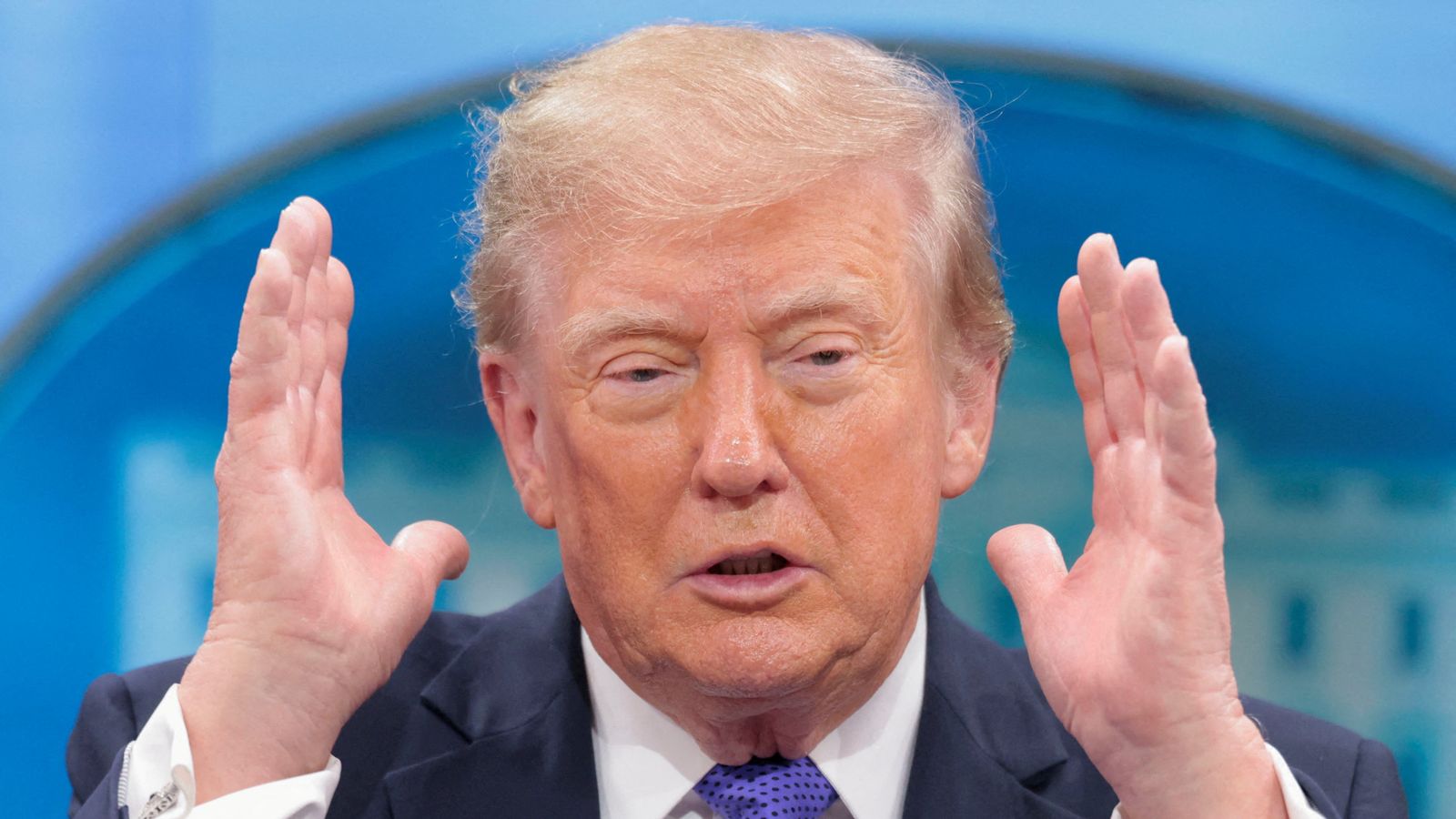
This move immediately drew fury from the current administration in Brasilia. President Lula didn't hold back, calling the sudden departure shameful. Meanwhile, former U.S. President Donald Trump publicly cast doubt on Brazil's electoral integrity once again, welcoming the arrival of political allies seeking refuge from foreign courts.
This dynamic turns Florida into a recurring sanctuary for right-wing figures fleeing legal accountability in Latin America. It also creates a diplomatic headache that will strain U.S.-Brazil relations for months to come.
What Happens Next for the Investigation
Back in Brazil, prosecutors aren't pausing the case just because the defendant caught a flight out of hemisphere. Brazilian authorities immediately moved to officially cancel his passports once the surrender deadline expired, rendering any future international travel significantly more complicated.
Legal experts point out that staying abroad won't automatically shield Bolsonaro from domestic prosecution. Courts can proceed with trials in absentia for certain charges, and extradition requests remain an option, though they face massive bureaucratic and political hurdles given the current U.S. administration's stance.
The real casualty here isn't just one politician's legal defense. It's the public's remaining trust in a legal system that struggles to keep pace with private jets, dual citizenships, and foreign political asylum.
If you thought the post-election fallout in Brazil was settling down, this Miami landing is only chapter one of a much uglier political war.