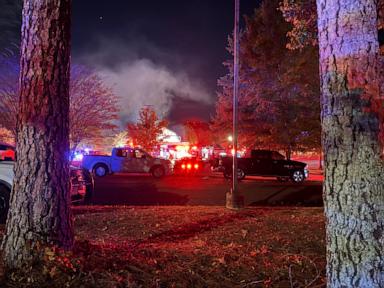
When a massive fire tears through a senior living facility, the margin for error shrinks to zero. That terrifying reality played out in Clinton, Mississippi, when a fierce blaze erupted at a local retirement property, leaving the majority of the building destroyed and forcing an emergency evacuation.
Local officials confirmed that the fire broke out on a Wednesday evening, turning a quiet residential community into the center of a high-stakes rescue operation. Marlee Price-Cook, director of communications for Clinton—located roughly 10 miles northwest of Jackson—stated plainly that the "majority of the building is gone." Yet, amidst the destruction, emergency personnel and facility staff managed to coordinate rapid relocations, highlighting the fragile safety networks protecting vulnerable populations in emergency scenarios.
If you have elderly relatives in assisted care, stories like this strike a deep nerve. You wonder how quickly staff can react when the unthinkable happens, whether evacuation protocols actually work on the ground, and what happens to displaced residents when their home vanishes in minutes.
The Chaos on the Ground in Clinton
Emergency responders faced a monumental task when the alarm was raised. While initial reports confirmed there were no immediate injuries, authorities spent anxious hours ensuring every resident was accounted for. Senior living structures present unique logistical nightmares during fires. Mobility issues, memory care units, and reliance on medical equipment mean that standard evacuation plans often face severe bottlenecks.
Evacuated residents were rapidly loaded onto buses and transported to a nearby local church while fire crews combed through the charred remains of the facility. Meanwhile, corporate operators like Brookdale scrambled to arrange alternative accommodations, coordinating emergency transfers to sister properties across the region.
Clinton officials urged the public to stay clear of the immediate area, giving heavy equipment and dozens of firefighters the space needed to battle the flames and secure the perimeter. For local first responders, it was an unprecedented event. Price-Cook noted to reporters that in her four years with the city, she had never witnessed a crisis of this scale.
Why Senior Facility Fires Demand Closer Inspection
Incidents like the Clinton blaze expose hard truths about emergency preparedness in senior housing. When a structure sustains catastrophic damage, the human toll extends far beyond physical injuries. Displaced seniors often experience severe trauma, disorientation, and disruption of critical medical routines.
Facility safety audits and regional fire codes are supposed to prevent total structural losses, but rapid-spreading flames can easily overwhelm traditional defenses. Building materials, open floor plans, and delayed detection systems frequently compromise safety margins. Families rarely think to ask about sprinkler system maintenance schedules, staff-to-resident ratios during night shifts, or secondary evacuation routes until a disaster makes national news.
Practical Steps for Evaluating Senior Care Safety
You cannot control municipal emergency response times, but you can thoroughly vet the safety standards of any residential facility you or your family rely on. Protecting older adults requires asking uncomfortable questions long before smoke fills the hallways.
- Inspect Fire Suppression Systems: Ask facility management specifically how often sprinklers, smoke detectors, and alarm pull stations are tested by third-party inspectors. Look for facilities equipped with comprehensive, modern sprinkler coverage in every single room, not just common areas.
- Review Staffing Ratios on All Shifts: Night and evening shifts typically run with skeleton crews. Find out exactly how many staff members are on duty during off-hours who are trained to lift, wheel, or guide residents out of danger.
- Examine Evacuation Plan Drills: Ask how frequently unannounced fire drills are conducted. A facility that only runs paperwork drills will fail when panic sets in. Staff must practice moving immobile residents regularly.
- Understand Continuity Plans: In the event of a total building loss, corporate management must have immediate reciprocal agreements with sister properties or nearby hotels. Demand to see their emergency displacement protocol in writing.
Emergency preparedness is never just a compliance checklist. When disaster strikes, lives depend entirely on preparation, clear communication, and rapid human action. Review your family's care arrangements today and demand absolute transparency from facility operators.