Nothing was stolen. That is what makes the situation so unsettling.
Finnish authorities have confirmed a significant number of suspicious break-ins and unauthorized intrusions targeting the private residences of members of parliament. Speaker of Parliament Jussi Halla-aho revealed the wave of incidents, noting that the events span over a longer period, with the earliest suspected cases dating back roughly a year. The Helsinki Police Department and the National Bureau of Investigation have launched a preliminary investigation, but the core mystery remains unsolved: why break into a politician's home if you aren't going to take anything?
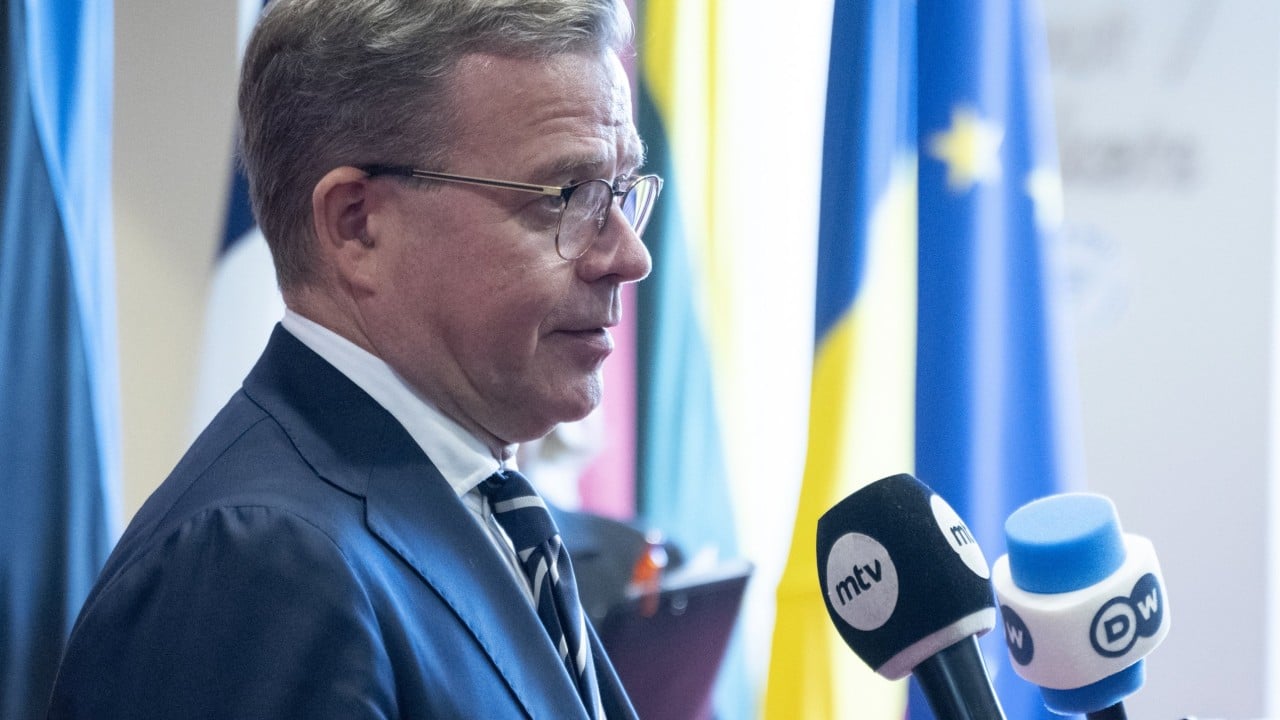
Security experts and top government officials suspect a much darker motive than common burglary. Prime Minister Petteri Orpo stated that foreign state involvement is entirely possible given current geopolitical tensions, while President Alexander Stubb labeled any attack against a member of parliament as a direct strike against democracy itself.
The Message Behind the Missing Valuables
Traditional burglaries rely on a clear economic incentive. Cash, jewelry, electronics, or documents vanish. In these Finnish cases, however, thieves left valuables untouched while deliberately leaving behind physical traces of forced entry.
This signature points away from traditional criminality and straight toward state-sponsored intelligence gathering or psychological intimidation. Planting listening devices, photographing layouts, or simply letting a target know their private sanctuary has been compromised serves a specific psychological and strategic purpose. It tells elected officials that their safety is an illusion.
Finland shares a long, 1,340-kilometer border with Russia and joined NATO following shifting regional security dynamics. Since then, the Nordic nation has experienced various forms of hybrid threats, cyber incidents, and infrastructure disruptions. Intelligence analysts view these residential intrusions as part of an ongoing campaign to test state defenses, unnerve lawmakers, and gauge domestic resilience.
How Parliament is Responding
The Finnish parliament didn't wait for final police conclusions before taking action. The Comprehensive Security Working Group swiftly mobilized to distribute updated security guidance to all parliamentary groups. Lawmakers are being forced to rethink basic domestic security, transitioning from standard residential comfort to high-alert personal protection protocols.
The psychological toll on politicians and their families is immense. A home is supposed to be a safe zone. When that boundary is violated by unknown actors, the impact ripples through the entire political system, potentially affecting decision-making and public discourse.
Despite the intimidation tactics, top leaders remain defiant. Prime Minister Orpo noted that attempts to destabilize Finnish society or weaken public backing for regional allies tend to backfire. Instead of fracturing political resolve, these incidents appear to be solidifying national unity.
What Happens Next
The Helsinki police and the National Bureau of Investigation face a tedious forensic challenge. Because many of these intrusions happened over the past year, gathering pristine physical evidence is difficult. Investigators are leaning heavily on digital surveillance, neighbor testimonies, and forensic footprints left at the scenes.
The investigation remains in its early stages, and officials have kept specifics under wraps to protect the integrity of the inquiry. Expect stricter physical security measures around politicians' properties across the country and a heightened state of counter-intelligence vigilance throughout the Nordic region.