Elections are messy. When you throw the Department of Justice and state election officials into a legal cage match mid-vote, chaos follows. Millions of people had already cast ballots in California when federal authorities demanded a sudden halt, claiming roughly 20,000 names on voter rolls belonged to likely noncitizens.
Courts pushed back hard against the federal emergency push. But the underlying fight over who controls American elections isn't going away. Recently making headlines recently: Why Ukraine Peace Talks Are Stalling While Moscow Keeps Pushing Harder.
The Core Conflict Behind the 20,000 Disputed Ballots
Let's look at what actually happened. The DOJ filed a lawsuit against California election officials mid-October, arguing that the state failed to quickly review a list of 20,000 registered individuals. Federal prosecutors wanted those specific ballots segregated and kept out of the official count until citizenship checks cleared.
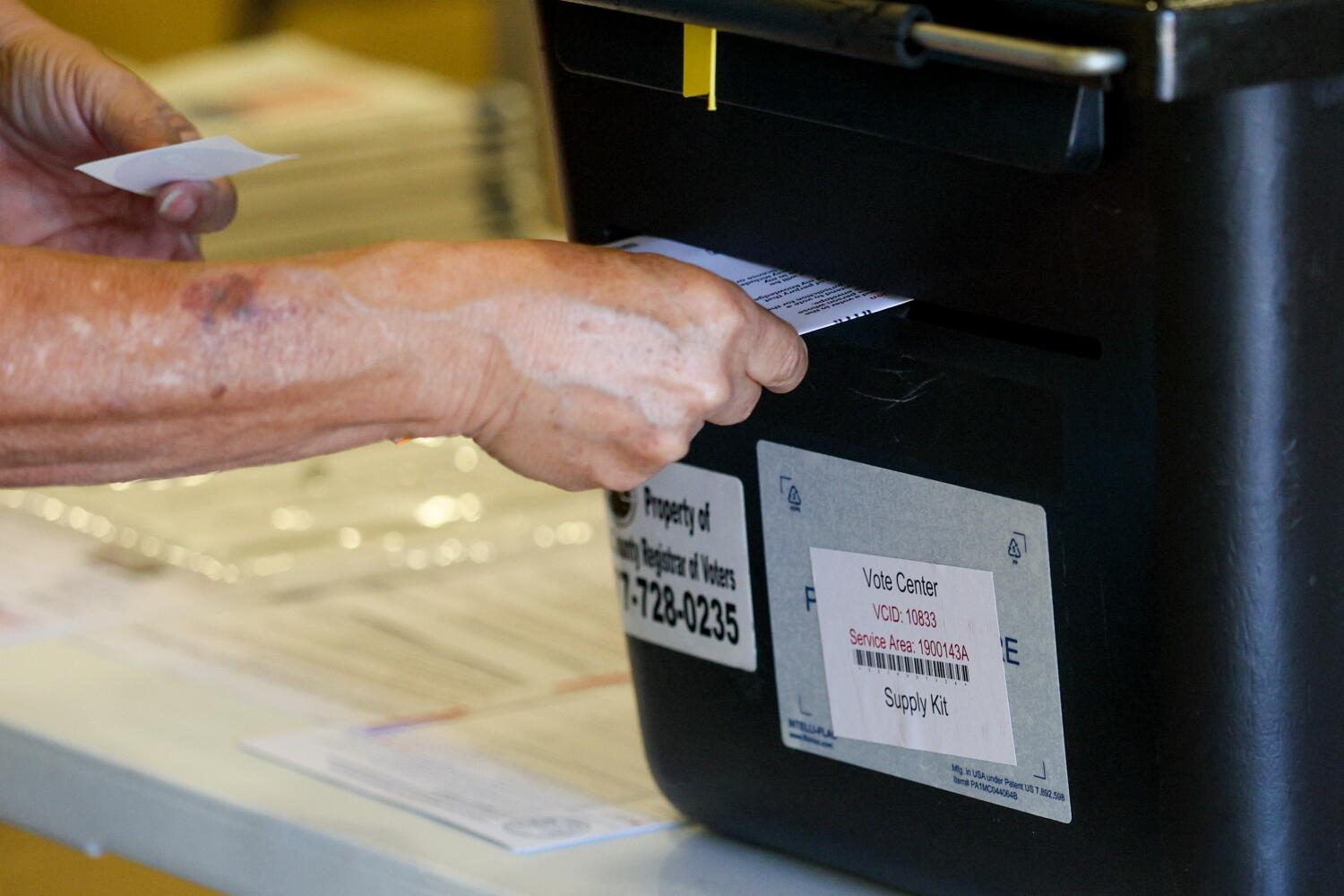
The timing raised massive red flags. Millions of mail-in ballots were already sitting in county offices or being processed. Changing the rules while voting is actively happening is a recipe for administrative disaster. Further details regarding the matter are covered by Al Jazeera.
Local election officials in Los Angeles and other counties dug into the federal list. What did they find? A significant chunk of the flagged individuals turned out to be native-born U.S. citizens. When rushed federal lists misidentify actual citizens as illegal voters, you run a massive risk of disenfranchising legitimate participants.
Why the Courts Slammed the Brakes
U.S. District Judge David O. Carter didn't mince words when rejecting the emergency request. He noted that disrupting an ongoing election based on unproven, rushed allegations puts democracy itself in danger.
An appeals panel from the 9th Circuit echoed similar frustrations. Circuit Judge Gabriel Sanchez pointed out a glaring reality: the emergency timeline was manufactured entirely by the federal government's own delays. You can't wait until ballots are actively being counted, demand an abrupt overhaul of state protocols, and then cry emergency when the courts point out the logistical impossibility.
Even so, it wasn't a unanimous echo chamber. Dissenting voices on the bench argued that federal oversight is vital to stop ineligible voting before it dilutes lawful votes. That philosophical split defines the entire modern electoral landscape. One side sees federal intervention as a necessary safeguard for election integrity. The other sees it as heavy-handed voter suppression designed to sow distrust in democratic outcomes.
What This Means for You Right Now
If you're tracking midterms or voting yourself, this legal theater highlights a hard truth. State and federal laws often clash violently over jurisdiction. While federal prosecutors vowed an immediate appeal, local registrars are stuck managing massive paper trails under immense pressure.
Verifying voter eligibility is a serious administrative task, but doing it via eleventh-hour litigation hurts public confidence. When courts reject last-minute curveballs, they protect the fundamental expectation that the rules won't change halfway through the game.
Check your local election office tracker if you mailed your ballot early. Make sure your signature matches and your status is confirmed. Don't leave your vote to chance while politicians fight it out in court.