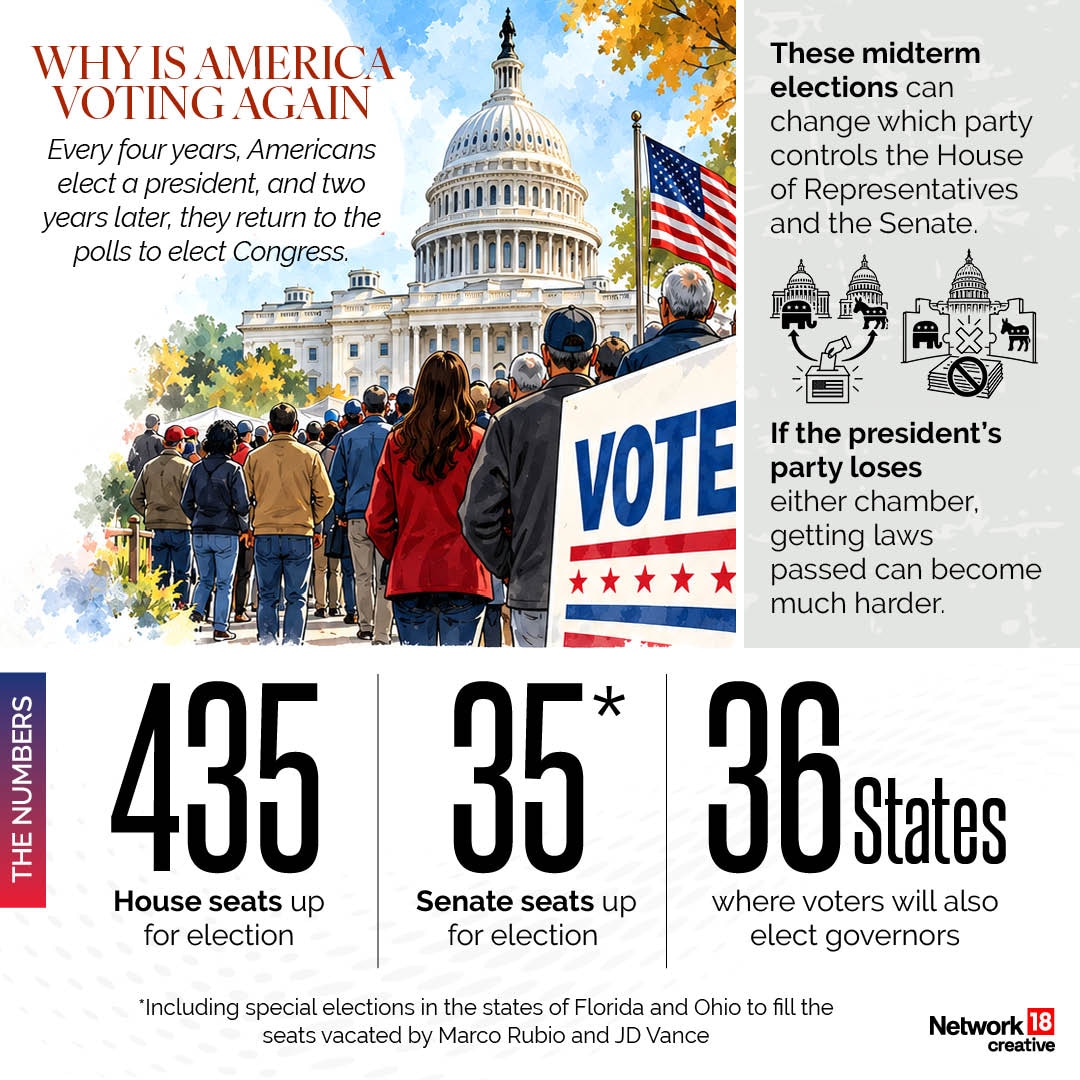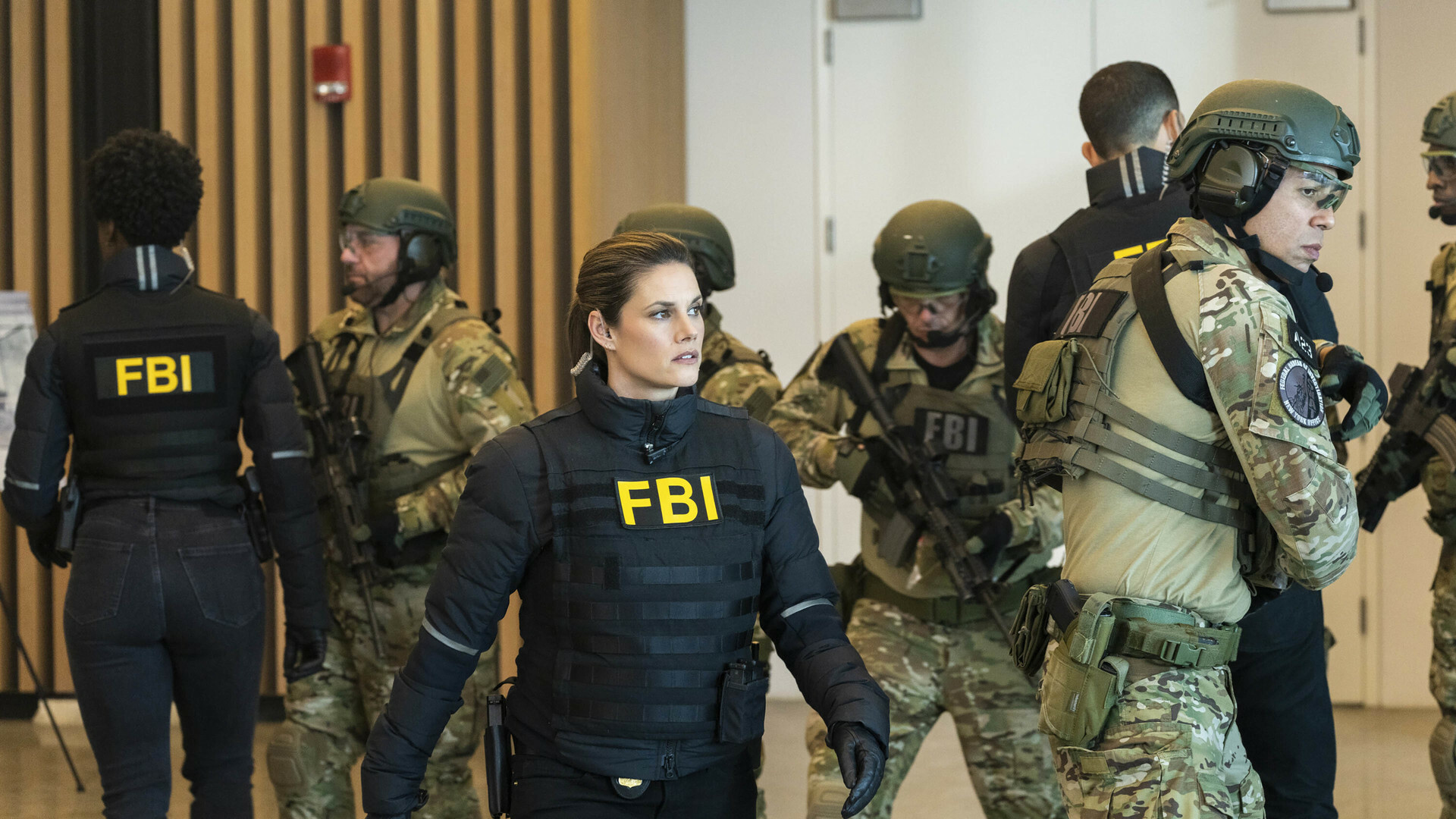
Mailboxes across America turned into quiet flashpoints during election season. Federal investigators recently handcuffed 67-year-old Oklahoma City resident Robin Patrick Martin, tying him to a staggering nationwide campaign involving over 700 suspicious letters filled with white powder and menacing threats sent directly to state election boards, lawmakers, media offices, and federal authorities.
If you think this was just another harmless prank, look closer. The scale of the operation exposes major vulnerabilities in how election infrastructure handles physical threats, and it forces a hard look at how law enforcement tracks modern political intimidation.
Anatomy of a Nationwide Mail Threat
The operation didn't happen overnight. According to federal court documents filed in Oklahoma, the mailings traced back to September 2024, when state election officials first flagged suspicious envelopes containing a powdery substance alongside a three-page manifesto titled "DECLARATION OF WAR."
The letters pushed conspiracy theories surrounding the 2020 presidential election, claiming Donald Trump won and warning recipients about repeat issues. By October, the campaign escalated dramatically. The FBI reported that mailings targeted election offices in all 50 states.
Investigators found that the letters weren't just chaotic outbursts; they showed a calculated methodology:
- Substances used: Laboratory testing confirmed the white powder inside the envelopes was nonhazardous, mostly consisting of common household items like yeast or flour.
- Hidden messages: Some envelopes featured secret warnings written with invisible ink—visible only under ultraviolet light—urging recipients to stay on the "right side of history."
- Deceptive return addresses: The sender used return addresses tied to third-party organizations like the Green Party and the Democratic Socialists of America to mask his tracks, though groups like the DSA fully cooperated with the FBI.
Postal inspectors and law enforcement partners managed to intercept a vast majority of the mailings before they ever reached their intended targets. Even so, the psychological toll on election workers and congressional staffers was immediate, triggering office evacuations and emergency responses in multiple states.
How Investigators Cracked the Case
Catching someone mailing hundreds of letters across state lines sounds like finding a needle in a digital haystack. Yet, old-school police work combined with modern digital footprints gave the suspect away.
Federal agents used surveillance footage showing Martin's vehicle stopping at United States Postal Service collection boxes across Oklahoma City, Dallas, and San Antonio. Investigators also matched fingerprints lifted directly from a letter addressed to FBI Director Kash Patel. Receipts showed Martin purchasing items like turmeric and vinegar—ingredients allegedly used to mix the UV-reactive invisible ink—along with the baking supplies used as hoax powder.
Martin now faces federal charges including conveying false or misleading information, hoaxes, and mailing threatening communications. He made his initial appearance in a U.S. District Court in Oklahoma City, with a preliminary hearing scheduled as authorities comb through the remaining evidence.
The Real Fallout for Public Officials
The arrest highlights a grim reality for modern public service. Election workers, local county clerks, and congressional staffers are facing unprecedented levels of harassment. When people weaponize the U.S. postal stream with fake biological threats, it drains emergency resources and burns out the exact workforce keeping democracy running.
Protecting public officials shouldn't require hazmat teams at every county election board. Yet, as political polarization intensifies, the postal system remains an easy target for bad actors looking to cause maximum disruption with minimal startup costs.
Law enforcement agencies got this one. Next time, response protocols need to be even faster.