You step into an amusement park looking for an adrenaline rush. You strap in, scream your lungs out, and expect to walk away with nothing worse than a slightly elevated heart rate. For two women visiting Six Flags Magic Mountain in California, that casual trip turned into a catastrophic medical emergency.
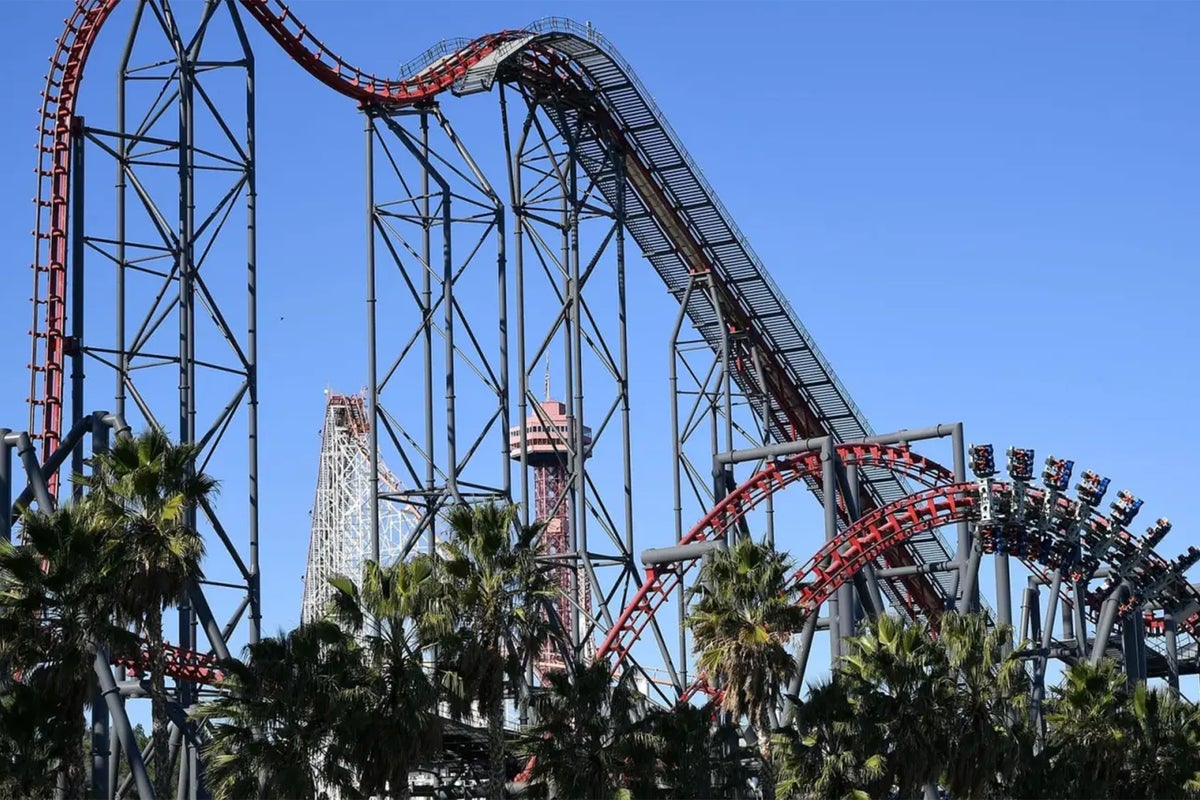
They boarded the X2, a famous four-dimensional coaster capable of hitting 76 miles per hour with independently rotating seats. They didn't just get dizzy. They suffered severe subdural hematomas, brain compression, and life-altering trauma requiring emergency neurosurgery. One woke up weeks later struggling to speak. Another was left fighting for her life on a ventilator.
Amusement parks sell the dream of controlled terror. They push engineering limits to give modern thrill-seekers bigger drops and faster spins. Yet, a growing pile of medical records and legal battles suggests these violent rides might be crossing a dangerous line.
The Physics Behind the Danger of Modern Coasters
Why are rides like the X2 causing such severe injuries? It comes down to sheer G-forces and violent rotational acceleration. Traditional rollercoasters move along predictable vertical and horizontal planes. You know which way you are banking. You brace your neck.
Four-dimensional coasters operate entirely differently. The seats rotate 360 degrees forward or backward on a separate axis while the train races down the track. Your body experiences rapid changes in direction that defy natural muscle stabilization.
When your head slams repeatedly against a hard headrest at high velocities, the brain inside your skull doesn't stop moving just because your skull does. It crashes against the inner bone. That sudden deceleration tears bridging veins, leading to subdural bleeding.
Attorneys representing injured riders have pointed out a terrifying reality. The human body has limits. When a machine spins and accelerates past the threshold of what soft tissue can safely withstand, bad things happen.
The Corporate Defense and the Warning Sign Loophole
If you look at the entrance of almost any major thrill ride, you will spot a warning sign. Parks post these disclaimers to shield themselves from liability. They argue that riding is a voluntary choice and that participants accept the inherent risks.
In legal responses to previous lawsuits, representatives for Six Flags have argued that the forces generated by the X2 are simply not powerful enough to cause traumatic brain injuries if a passenger follows instructions. They lean heavily on the idea that freak accidents happen or that pre-existing conditions might be to blame.
Except the pattern is getting harder to ignore. Records uncovered by investigations show dozens of injuries tied directly to this single attraction over the years, including tragic fatalities. When legal settlements quietly pile up behind closed doors, the official narrative of absolute safety starts to crack.
Signs reading "ride at your own risk" do not give parks a free pass to ignore safety thresholds. If a machine regularly beats passengers' heads against structural padding until blood vessels burst, the problem isn't the rider. The problem is the ride.
What You Need to Know Before Your Next Park Visit
You don't have to swear off amusement parks forever, but you should look at extreme rides with a healthy dose of skepticism. Marketing departments want you to feel invincible. Your biology demands caution.
- Watch your head: If a ride features aggressive headbanging or violent lateral snapping, keep your head firmly pressed against the center of the headrest before the train moves, and keep your neck tight.
- Know your limits: Four-dimensional and hyper-coasters generate extreme g-forces. If you are prone to migraines, neck issues, or vertigo, skip them entirely.
- Listen to your body: Dizziness is normal after a spin. Vomiting, sudden confusion, or a pounding headache that refuses to go away after a ride is a red flag. Seek medical evaluation immediately.
The thrill lasts two minutes. A brain injury lasts a lifetime. Put safety above the hype before you step into the queue.