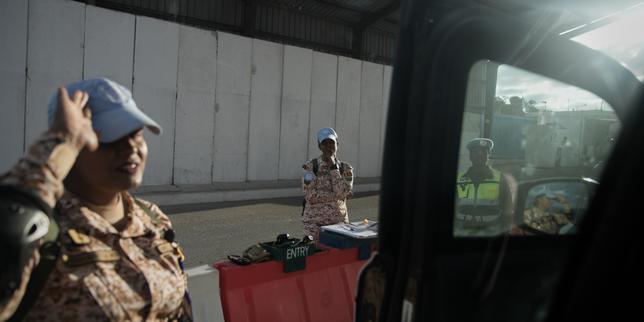
Diplomats are scrambling in New York and Beirut because a peacekeeping force that has patrolled southern Lebanon since 1978 is staring down an end-of-year cliff. Literally weeks from December 31, 2026.
Lebanese Prime Minister Nawaf Salam has been pushing for a temporary extension of UNIFIL duties so the south doesn't slide straight into a security vacuum once the primary mandate runs out. Under UN Security Council Resolution 2790, adopted in August 2025, the mission was granted a final extension through December 31, 2026, with a drawdown and withdrawal process mapped out for 2027. That timeline sounds tidy on paper. On the ground, it looks risky.
Honestly, calling UNIFIL a cure-all has always been a stretch. Peacekeepers don't fight wars or disarm armed groups by force. Their job—especially since UN Security Council Resolution 1701 in 2006—has been to observe, report violations along the Blue Line, support the Lebanese Armed Forces, and help maintain space for diplomacy.
Still, pulling the plug too fast creates a different kind of mess. If international monitors step back before real security arrangements are locked in, local communities bear the brunt first.
What Beirut Is Actually Asking For
When Lebanese officials talk about extending UNIFIL operations temporarily, they aren't pretending the clock hasn't moved. Salam has pointed to a French-backed Security Council draft that would let UNIFIL keep performing specific practical tasks after December 31 while diplomats argue over what comes next.
Think clearance work, escorting humanitarian convoys, and monitoring violations during a drawdown window. Not a permanent reset of the mission, just breathing room. As Salam put it to the Associated Press, a temporary arrangement wouldn't solve the post-UNIFIL puzzle on its own, yet it could buy time to agree on a new security architecture in southern Lebanon.
From Beirut's perspective, time is the scarcest commodity right now. The Lebanese state is already stretched thin economically and institutionally. Asking the Lebanese Armed Forces to immediately fill every gap south of the Litani River without clear international backing or a settled border framework is a tall order.
The Clash Over Resolution 1701 and the June Agreement
Here's where the diplomacy gets messy—and why a simple vote in New York isn't guaranteed.
Beirut continues to anchor its official stance in Resolution 1701, which calls for an Israeli withdrawal alongside the deployment of the Lebanese Army and UNIFIL, while affirming Lebanese sovereignty across all of Lebanon. According to reporting from L'Orient Today, Washington and Israel have leaned toward replacing 1701 with terms tied to the June 2026 framework agreement between Lebanon and Israel, which frames Israeli movement as redeployment beyond borders linked to Hezbollah disarmament across Lebanese territory.
Meanwhile, fighting and border friction haven't neatly paused for legal drafting. Reporting from Middle East Monitor notes that Israeli strikes have continued even as questions around 1701 and future security roles remain unresolved, and Israeli forces remain in parts of southern Lebanon despite the June accord. Hezbollah, for its part, rejected the diplomatic track from the start.
So you have three overlapping tensions colliding at once:
- Competing blueprints: Beirut wants 1701's sovereignty and withdrawal language preserved, while Washington and Israel push a framework tied to disarmament.
- Unfinished ground realities: Troop presence, ongoing strikes, and unresolved border disputes keep trust near zero.
- Uncertain successor forces: Lebanese presidency statements following talks with German defense official Jens Plötner indicate Beirut is weighing international, Arab, or European options to succeed UNIFIL, yet nothing concrete is settled.
Why "Temporary" Can Easily Turn Into Confusion
I've watched enough international crises to know that "temporary" in diplomatic speak often hides deep disagreement. If everyone agrees on the bridge but nobody agrees on where the bridge leads, you can end up arguing over every plank.
A narrow extension for mine clearance, humanitarian movement, and violation reporting makes practical sense. Demining and unexploded ordnance work save lives daily; UNIFIL notes its teams have destroyed more than 51,000 mines, bombs, and unexploded ordnance over time to keep routes open for patrols, the Lebanese army, and returning residents. Losing that technical buffer overnight would hurt civilians trying to rebuild or return.
At the same time, critics and skeptics have a fair point. If a post-December arrangement is too vague about authority, rules of engagement, or who enforces ceasefire terms, peacekeepers could be left doing basic logistics while the core political and military disputes stay frozen. That isn't strategy. That's stalling.
What to Watch Next
If you're tracking whether southern Lebanon heads toward a managed transition or a sharper standoff, keep your eyes on three concrete moves over the next few weeks:
- The French draft text: Watch whether Paris can adjust its Security Council language enough to win backing from Washington without alienating Beirut—or triggering vetoes and abstentions.
- Lebanese Armed Forces readiness and funding: Check what specific equipment, training, and international commitments are pledged to back the Lebanese army in the south.
- Follow-through on the June 2026 framework: Look at actual movements on the ground, not just press releases, to see if redeployment and security milestones match diplomatic pledges.
For anyone following the conflict or planning humanitarian and policy work in the region, don't treat December 31 as a clean finish line. Treat it as a stress test of whether major powers and local actors can agree on a workable transition before old friction flares wider.