You wouldn't normally expect a Baltic capital to become the epicenter of global canine athletic glory. Yet every summer, thousands of spectators pack into Vingis Park in Vilnius, Lithuania, to witness something truly extraordinary. Short legs, oversized ears, and unmatched enthusiasm collide in a spectacle that has quietly grown from a casual backyard bet into a massive international phenomenon.
We aren't just talking about a casual afternoon walk. Owners fly in from nine different countries, carting their Pembroke and Cardigan Welsh corgis across continents. They come for the high-stakes sprints, the theatrical costume parades, and the fiercely contested loudest bark competition.
If you think dog shows are all about stiff judges and pristine grooming, think again. This is pure, unfiltered chaos wrapped in fur.
From a Backyard Bet to a Global Capital
Back in 2020, two local corgi owners wanted to settle a simple question: whose dog was actually faster? They gathered 40 dogs in a local yard. It was a modest gathering born out of pandemic-era cabin fever.
Fast forward to the fifth annual event, and the numbers are staggering. Over 150 dogs descended upon Vingis Park. Competitors traveled from Poland, Germany, Estonia, Latvia, Ukraine, the Czech Republic, the United States, and even Britain—the historical homeland of the breed. Edvinas Miskas, one of the primary organizers, notes the irony of drawing competitors from the UK, where the breed was famously popularized by the late Queen Elizabeth II.
When breeders and owners travel thousands of miles to Lithuania instead of staying local, the event earns its self-proclaimed title as the corgi capital of Europe.
The Athletic Prowess of Short Legs
People love to laugh at corgis because of their geometry. Long bodies combined with stubby legs make them look structurally impossible. But put them on a 25-meter or 50-meter track, and their herding instincts kick into overdrive.
The main racing event is split into intense qualifiers, semifinals, and a grand final. Dogs launch out of wooden starting gates, chasing the sweet temptation of toys, treats, and their owners' enthusiastic cheers at the finish line.
Speed isn't everything, though. Take Duke, a 12-year-old veteran who made the trip all the way from Northwest England. Because of his advanced age, he skipped the running lanes. Instead, he focused on what his owner called a lifetime of vocal training, preparing strictly for the audio-heavy events.
Costumes and Competitions Beyond the Track
The main race draws the sports fans, but the side events steal the show. Corgis possess distinct personalities, and the festival leans hard into that reality.
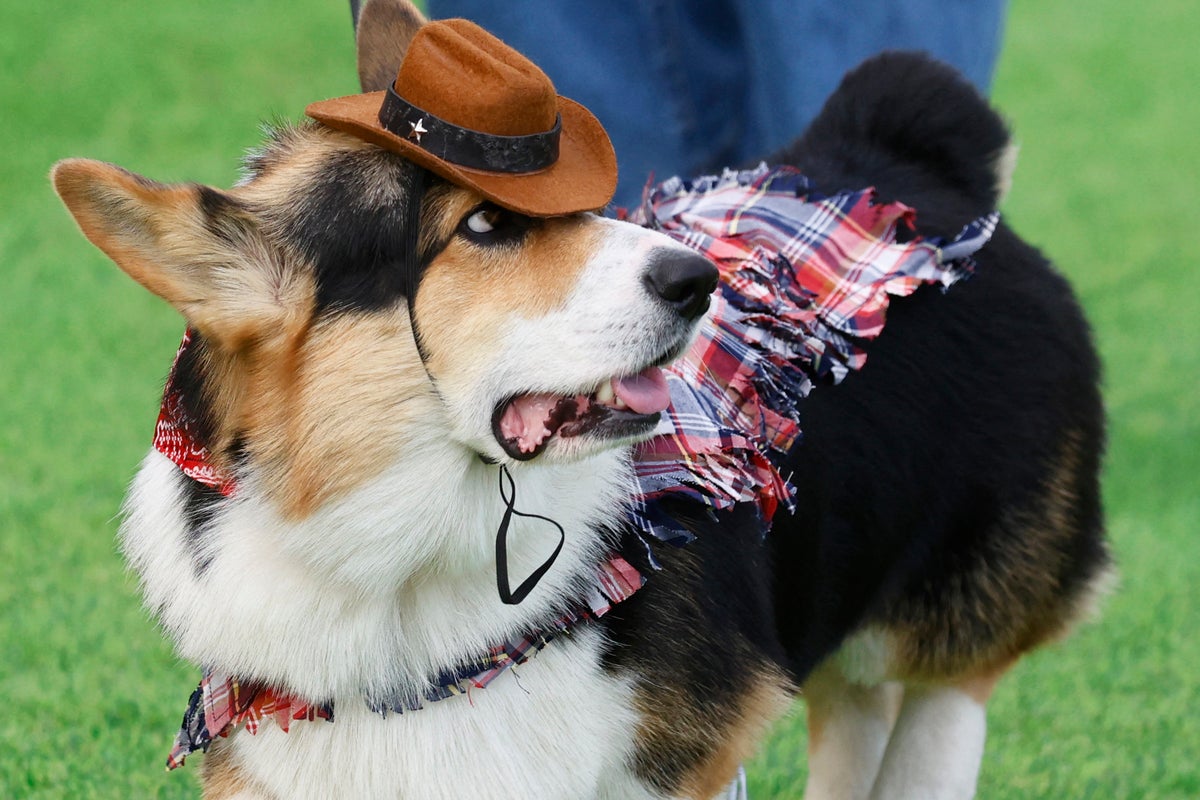
Take the costume contest. Owners spend months crafting elaborate outfits that defy practical physics. Past iterations featured dogs dressed as miniature airplanes, functional factories complete with tiny working chimneys, and pint-sized superheroes. Walking a dog in a complex costume is tricky enough, but watching a dozen low-riding dogs trot down a runway dressed like industrial machinery is a tier of entertainment money can't buy.
Then there is the "Mightiest Voice" barking contest. Sound levels spike as dogs unleash their inner acoustics. Mr. Corgington, a seasoned American competitor, took home the vocal crown after going paw-to-paw against international rivals.
Puzzle-solving challenges test their brains, forcing the dogs to sniff out hidden treats and navigate mental mazes under pressure. It turns out these herding dogs are as sharp as they are stubborn.
Why This Event Actually Matters
You might wonder why a regional dog race captures billions of digital impressions and makes international headlines. The answer is simple. People are exhausted by heavy news cycles. They want pure, unadulterated joy.
Cities across Europe are learning how to monetize and embrace pet culture. Vilnius didn't just host a race; the entire city leans into dog-friendly hospitality. Cafes roll out water bowls, parks turn into colosseums, and local museums host canine-themed history exhibitions.
If you want to experience the next gathering, you don't need a professional athlete. You just need an appreciation for chaos, a soft spot for big ears, and a plane ticket to Lithuania next August. Grab your tickets early, because as the crowds grow, getting a front-row seat to the world's fastest short-legged dogs gets harder every year.