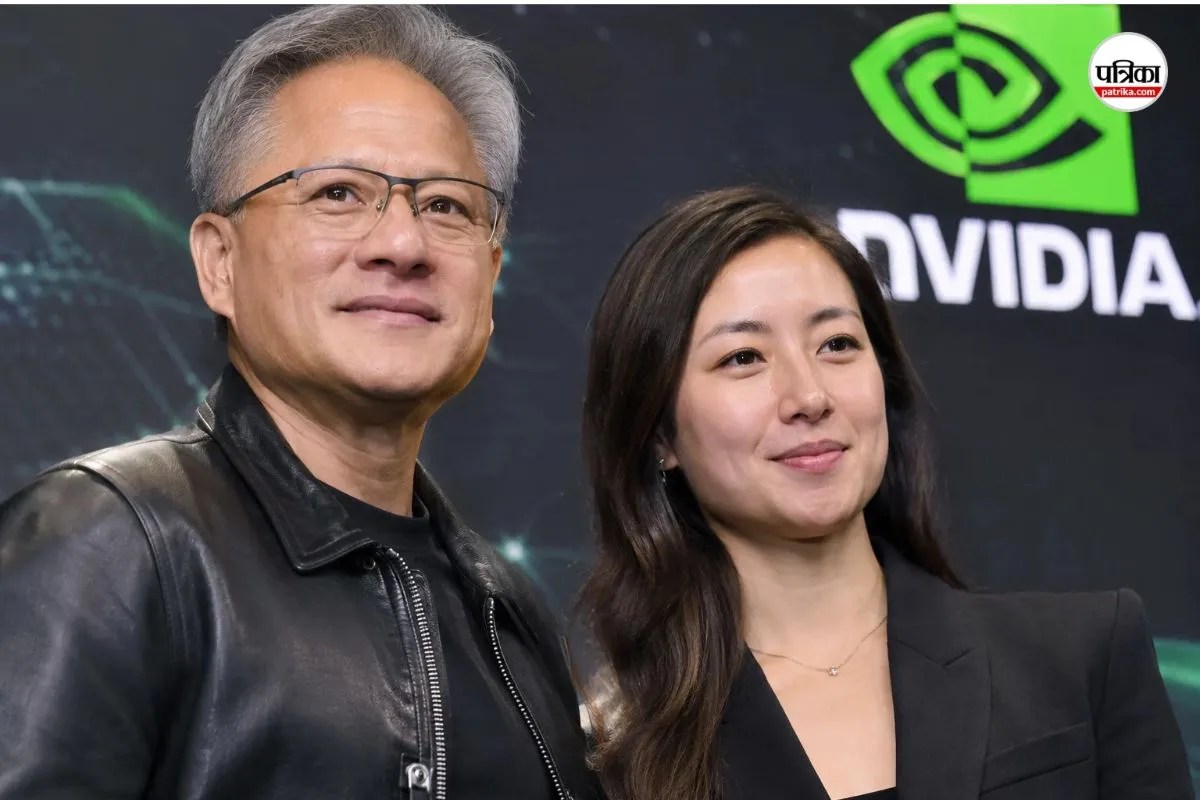
One phone call doesn't make someone a spy. Yet a single explosive report can topple the person who built the world's most valuable AI chip empire.
When The New York Times reported that Alice Huang—who once led Singapore-based Megaspeed International and had a relationship with former Nvidia CEO Jensen Huang—stayed in contact with an officer from China's Ministry of State Security from spring 2025 into fall 2026, markets didn't wait for a verdict. Nvidia's stock took a beating, and the fallout already cost Jensen Huang his CEO spot earlier in November 2026. Here's the catch that headlines often flatten: top U.S. officials keep stressing they haven't concluded Alice Huang spied for China.
Honestly, that distinction matters way more than most sensational coverage lets on. If you read the chatter online, you'd think Washington already handed down an espionage conviction. In reality, we're looking at a messy collision of personal relationships, semiconductor export controls, foreign business networks, and political theater.
Why the Alice Huang Contact Claims Don't Equal Proof of Espionage
Let's look at what's actually on the record right now. Reporting from The New York Times indicates Alice Huang was in touch with a Ministry of State Security officer over a stretch that overlapped with her affair with Jensen Huang and with Megaspeed's massive purchases of Nvidia hardware. U.S. intelligence has also reportedly pointed to ties between the same Chinese intelligence agency and Kang Wei, a business partner of Alice Huang who was frequently introduced as her husband and who had known Jensen Huang for nearly a decade.
At the same time, U.S. officials have pumped the brakes on calling her a spy. Attorney General Todd Blanche stated earlier this month that the Justice Department had not yet established whether she was a Chinese spy. Director of National Intelligence Jay Clayton echoed that restraint on Sunday, November 22, 2026, noting on CNN that both Huang and her company are under investigation for various matters and that the inquiry needs room to play out.
Why the gap between "had contact" and "proven spy"? Because intelligence work and high-stakes business in Asia frequently overlap in gray zones. Former and current U.S. officials have pointed out that executives operating in or around China often face pressure to accommodate state officials or find it hard to push back against government requests. Having contact with an official isn't the same thing as passing classified secrets or acting as a covert agent. Jumping straight to "spy" is lazy journalism, even if the optics are terrible.
What Singapore's Probe Actually Found
Look at Singapore, where Megaspeed is based and where authorities have been scrutinizing chip flows. Singapore's Ministry of Home Affairs said on November 12, 2026, that police found insufficient evidence that Alice Huang committed an offense tied to potentially inaccurate declarations by Megaspeed. She did get a formal police warning for knowingly giving inaccurate information to downplay her role at the company—and the ministry explicitly noted she wasn't under investigation for espionage in Singapore.
Meanwhile, associate Li Ming—a Chinese national who took part in major Megaspeed decisions—faces five charges in Singapore, including allegations involving false statements to U.S. server maker Super Micro Computer in November 2023. Malaysia's investment and trade ministry also said on November 13, 2026, that it was working with customs authorities to check whether chips brought into Malaysia by Megaspeed subsidiary SpeedMatrix were re-exported without proper permits.
That's a much clearer picture of the real risk. Governments aren't just chasing spy-novel intrigue. They're tracing supply chains, shell entities, and re-export routes for scarce, high-value AI accelerators.
How a Personal Scandal Blown Up an AI Titan
You can't separate the espionage talk from the personal bombshell that hit first. The New York Times's October 29, 2026 report set off a chain reaction that ended with Jensen Huang stepping down as Nvidia's CEO, president, and board member in mid-November after revelations of extramarital affairs, including with Alice Huang.
On Weibo, Huang's admission of infidelity drew more than 40 million views by November 9, turning the collapse of his long-standing "loyal husband" image into a massive talking point. In Washington, lawmakers reacted with a mix of sharp national security questions and blunt political one-liners—Republican Senator John Kennedy quipped on NBC that it was "the most expensive sex since Helen of Troy".
Yet even the ouster itself is wrapped in conflicting political cross-currents. President Donald Trump had been briefed on intelligence in 2025 and May 2026 without taking action at the time, and on November 20, 2026, he said he'd like to see Jensen Huang get a second chance and make a big apology. Nvidia's board chair said on November 17 that it didn't intend to reinstate him, while Treasury Secretary Scott Bessent argued Nvidia should look outside for its next CEO.
Some observers have even floated theories that rival frontier AI labs benefited from or cheered his exit—claims outlets like Gizmodo pushed back on as speculative conspiracy theories lacking hard evidence. My take? You don't need a grand conspiracy to explain why a board panics when its founder-CEO's personal life, a major customer's compliance questions, and congressional scrutiny all collide at once. Corporate boards hate uncontrolled risk, and right now Nvidia has plenty of it.
The Real Battleground Is Chip Smuggling and Export Controls
Strip away the tabloid heat and the spy tropes, and the core issue is simple: who gets America's best AI hardware, and how do you stop banned chips from slipping through third countries?
As DNI Jay Clayton put it on ABC on Sunday, November 22, Nvidia chips are "gems"—the top-of-the-line technology everyone wants. U.S. authorities have been investigating Megaspeed since 2024 over concerns it helped move advanced Nvidia AI chips toward China in potential violation of export controls. And on December 1 and 2, 2026, Jensen Huang and Nvidia general counsel Tim Teter are slated to give transcribed interviews to three U.S. House committees digging into how Chinese entities accessed advanced U.S. chips and whether any intelligence figures were involved.
There's also fierce debate inside Washington over enforcement. Reporting from Axios indicated President Trump had approved action against suspected chip diversions to China multiple times in 2026—including in May, August, and November—while officials including Commerce Secretary Howard Lutnick pushed back against tighter controls. Nvidia has stated it stopped shipping H200 chips to China despite receiving some licenses, and it has retained outside counsel for an internal review while calling certain media claims unsupported by verifiable evidence. Meanwhile, California's attorney general has also sought information to examine potential violations of state law and whether investors or the public were misled.
That's why this story has legs well past November. Export enforcement is notoriously hard to police once chips leave a factory and cross two or three borders.
Practical Next Steps If You're Following or Trading This Story
If you're an investor, tech executive, or policy watcher trying to separate noise from signal, don't trade on rumor or treat unverified allegations as settled fact.
- Watch the December 1–2 House interviews and official filings. Pay attention to what's actually stated under scrutiny by lawmakers, as well as any updates from the Justice Department, Singapore authorities, or Nvidia's outside counsel.
- Track enforcement actions, not just headlines. Real shifts in export policy show up in Commerce Department rules, customs seizures, and indictments—not cable news soundbites.
- Separate governance risk from AI demand. A leadership shakeup and compliance probes create real near-term volatility and legal exposure, so size any position with that uncertainty in mind rather than assuming smooth sailing.
- Check primary reporting before sharing claims. Look for clear distinctions between alleged contact, under investigation, and proven espionage so you aren't amplifying overblown narratives.