Whenever the UK Maritime Trade Operations issues a flash warning about an incident in the Strait of Hormuz, global crude markets don't just react—they twitch violently. Traders watch that narrow maritime chokepoint like hawks because roughly one-fifth of the world's daily petroleum consumption passes right through it. When a commercial tanker takes a hit or gets intercepted by regional forces, the immediate panic isn't just about local security. It's about a multi-billion-dollar supply chain that can freeze overnight.
If you trade energy or follow geopolitical risk, you already know the drill. A brief flash on the terminal, a sudden spike in Brent and WTI futures, and then a scramble to figure out what actually happened on the water. But most commentary misses the structural reality of why these recurring alerts carry such heavy weight.
The Real Vulnerability of Maritime Chokepoints
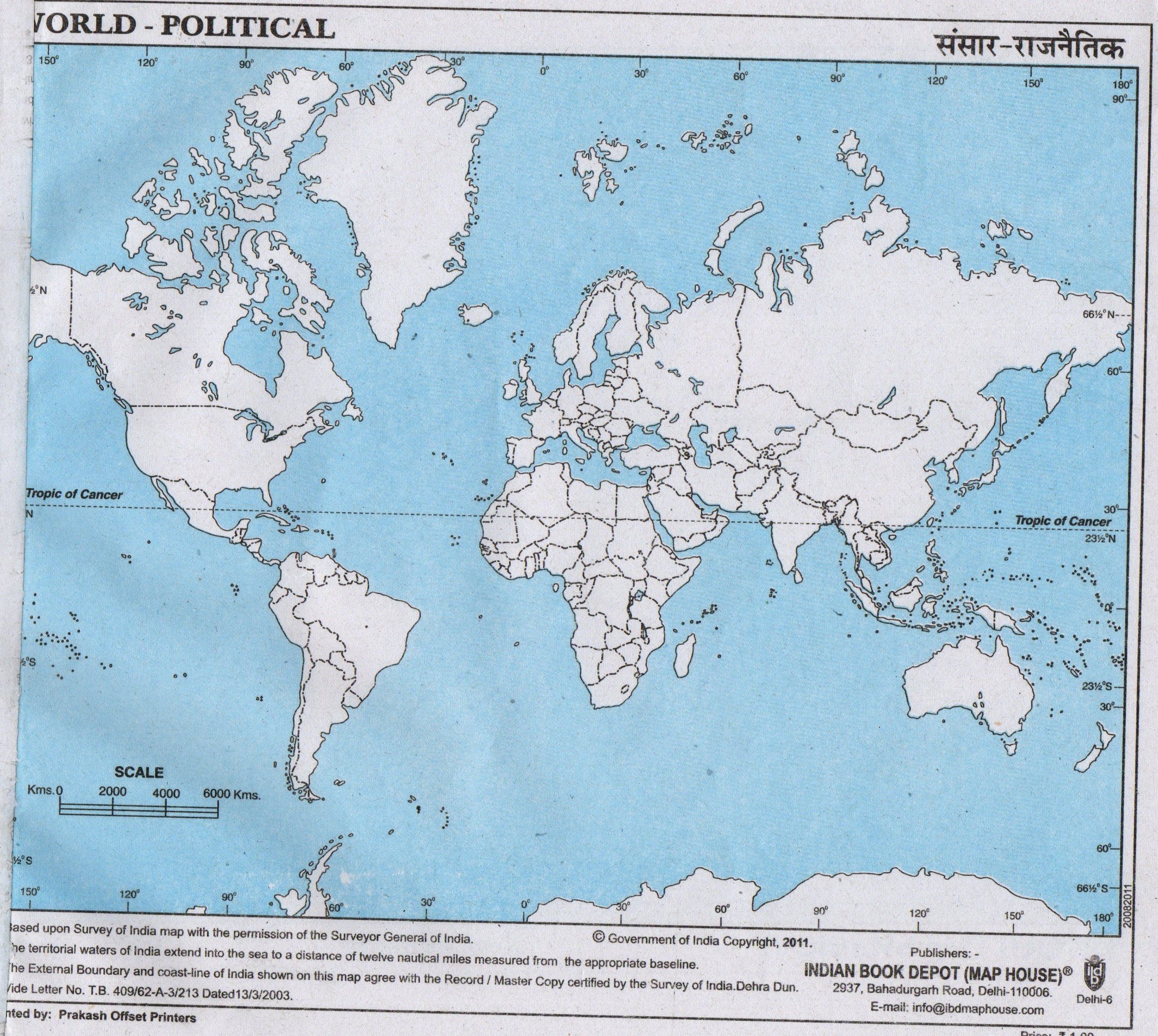
The Strait of Hormuz is barely twenty-one miles wide at its narrowest point, with inbound and outbound shipping lanes only two miles wide each. You can't just reroute a Very Large Crude Carrier (VLCC) carrying two million barrels of oil through a quiet back road.
When incidents pile up—whether it's an unknown projectile striking a vessel off the coast of the United Arab Emirates or IRGC patrol boats hailing commercial traffic—shipowners face an impossible calculation. Do they keep sending crews through a live threat corridor, or do they pause operations and watch charter rates skyrocket?
Insurance underwriters hate uncertainty. The moment maritime advisories turn red, war risk insurance premiums jump. Those costs don't get absorbed quietly by shipping conglomerates; they filter straight down into the final price of energy at pumps worldwide.
Why Markets Are Fatigue-Prone But Still Jump
Markets have grown numb to constant Middle Eastern friction, yet every fresh UKMTO advisory tests that tolerance. Traders often debate whether an attack or intercepted radio hail is a minor nuisance or an escalation prelude.
Look at the practical mechanics of how these events play out on trading desks:
- Algorithms parse keywords like "projectile," "tanker," and "Strait of Hormuz" within milliseconds.
- Speculative capital flows into crude futures before crew safety or actual hull damage is even verified.
- Physical traders immediately re-evaluate vessel tracking data to see if any major operators are diverting routes.
It is a knee-jerk reaction born of survival. If a blockade or sustained campaign ever truly shut down outbound tankers for more than a few days, global strategic petroleum reserves would face unprecedented strain.
What to Watch Next
Don't get distracted by the hourly noise of social media commentary or unverified rumors. When monitoring maritime security in the Gulf, focus strictly on verifiable institutional data from agencies like the UKMTO, actual ship-tracking telemetry showing whether traffic is actively bunching up or turning back, and official statements from major port authorities in Oman and the UAE.
Keep your risk management tight, ignore the panic-peddling headlines, and watch how vessel operators vote with their anchors.