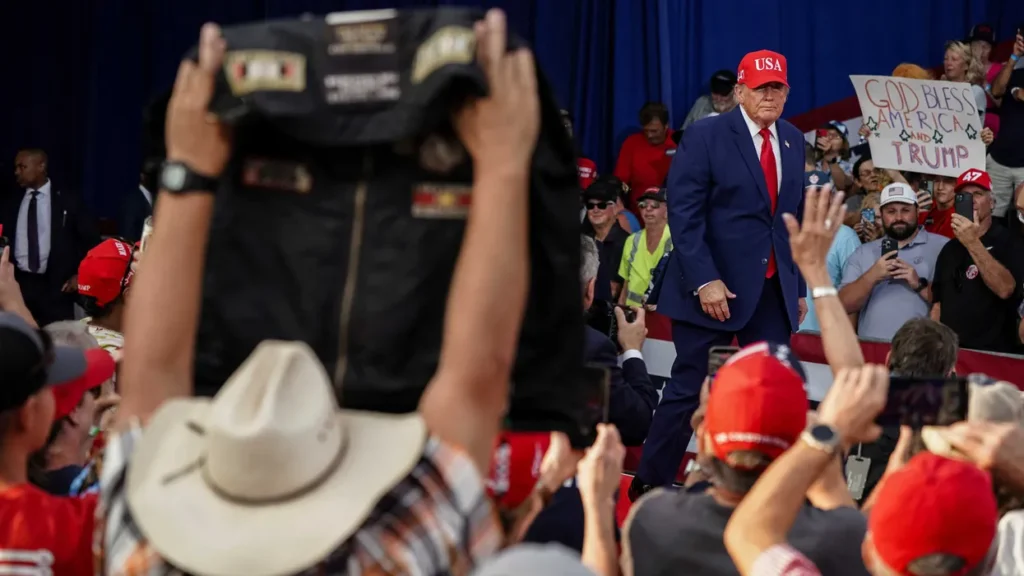
Ask any diplomat in Brussels whether a congressional shift in Washington will temper Donald Trump's foreign policy approach, and you'll get a quiet, knowing smirk.
American midterm elections always carry massive domestic stakes, but across the Atlantic, the view from European capitals is remarkably sober. While political pundits in Washington obsess over whether Democrats might capture the House or Senate, European officials aren't holding their breath for a sudden diplomatic reset. They've learned the hard way that structural friction with Washington doesn't vanish simply because the legislative branch changes hands.
The Illusion of a Congressional Check
Conventional political wisdom suggests that a divided government or a Democratic congressional wave could put a leash on an assertive White House. If the opposition party seizes control of Capitol Hill, shouldn't the executive branch face severe hurdles on trade policy, foreign aid, and international alliances?
In theory, yes. In practice, Brussels knows that foreign policy—particularly regarding trade tariffs, defense spending demands, and posture toward eastern conflicts—remains heavily shaped by executive power and deep-seated domestic populism.
Take the ongoing friction over tariffs. European officials remember all too well how long it took to unwind steel and aluminum duties implemented during Trump's first term. Even under a subsequent administration, rollbacks were slow, conditional, and limited. Data from Washington research groups consistently shows that protectionist sentiment is deeply bipartisan. Roughly three-quarters of American voters harbor little enthusiasm for unilaterally dropping trade barriers against European goods, regardless of which party controls committee gavels.
Ukraine, Tariffs, and the New Reality of Self-Reliance
The transatlantic disconnect extends far beyond trade disputes. On security and the protracted war in Ukraine, European leaders are staring down severe fiscal and strategic pressures.
Ahead of the midterm polls, renewed pressure from Washington to end fighting or shift financial burdens has left European capitals scrambling. Officials in Brussels are currently grappling with how to plug a massive multi-billion-euro financial gap to keep Kyiv's state functions afloat. While European diplomats are actively urging allies like the United Kingdom, Canada, and Japan to step up contributions, nobody is banking on a sudden influx of unconditional cash or military hardware from a polarized US Congress.
Instead, a quiet consensus has taken root across the continent. The fundamental direction of American foreign policy is turning inward, prioritizing domestic economic nationalism over traditional transatlantic stewardship.
European leaders are moving past the five stages of grief regarding unpredictable American leadership. They are building defense frameworks that function independently of shifting winds in Washington. As one senior European diplomat privately noted, the unpredictability is baked into the system now. Whether Congress flips or holds steady, Europe is charting a course where it takes absolute ownership of its own backyard.
What Realpolitik Means for the Future
If you want to understand how Europe is preparing for the post-midterm landscape, look past the public communiques and look at capital budgets. Defense spending across European Union member states is climbing. Industrial policies are pivoting toward strategic autonomy.
Waiting for American domestic politics to stabilize is no longer a viable strategy for European security. The reality is stark: transatlantic relations have entered a permanent state of transaction and friction.
Brussels isn't expecting a miracle from the ballot box. They are simply adjusting to a world where Europe must stand entirely on its own two feet.
Stop expecting a return to the old diplomatic playbook. The Atlantic has grown wider, and both sides are finally building ships that don't rely on each other's ports.