When financial watchdogs in Luxembourg start raising alarms, European capitals listen. Brussels and the institutions monitoring the single currency have every reason to look closely at the numbers coming out of Paris. With public debt hovering well past 115% of GDP, the conversation around French finances has shifted from casual policy debates to urgent risk management.
Nobody wants another sovereign debt crisis, yet the current trajectory leaves little room for complacency. Markets are watching the spread between French and German bonds closely, and the pressure on public spending is hitting a breaking point. Let's break down why this matters right now and what is actually driving the anxiety behind closed doors in Luxembourg and Brussels.
The Reality Behind the Numbers
You don't need a degree in macroeconomics to see that the math doesn't add up. France keeps spending more than it takes in, year after year, banking on growth rates that rarely materialize. According to Eurostat figures, the public debt sits near 117.6% of GDP, placing the country in a precarious club of high-debt eurozone nations.
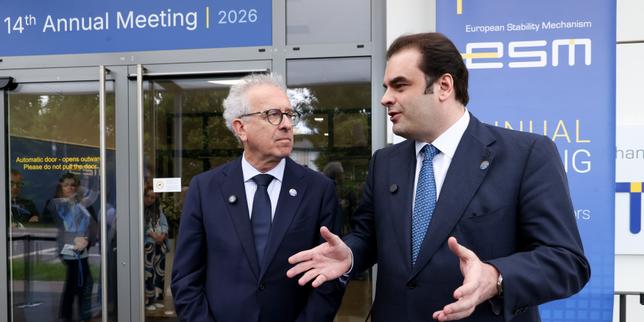
When institutions often dubbed the European IMF—such as the European Stability Mechanism (ESM)—analyze these trajectories, they look at debt sustainability under stress. If borrowing costs climb further because investors demand a higher risk premium, the interest burden alone eats up a massive chunk of the national budget.
- The Spread Reality: The gap between French and German bond yields has widened past 1.4 percentage points, signaling growing investor caution.
- The Growth Trap: Low structural growth makes it nearly impossible to inflate or grow our way out of the deficit without severe spending cuts.
- The Credibility Deficit: Markets care less about political promises and more about concrete fiscal consolidation plans that survive contact with reality.
Why Luxembourg Matters in European Finance
Luxembourg isn't just a picturesque European hub; it sits at the absolute center of financial governance and investment flows. When European finance ministers and institutional guardians meet there, the discussions are candid in ways public summits rarely allow.
The core fear isn't just about France defaulting tomorrow—that remains an extreme tail risk. The real worry is chronic stagnation. If a core economy of the eurozone gets locked into high borrowing costs and sluggish reforms, the entire monetary union feels the shockwaves. Italy and France combined hold a massive share of the region's total financial liabilities. When one wobbles, the European safety nets face existential questions about whether their firepower is actually sufficient for a major economy.
The Cost of Delayed Action
Politicians love kicking the can down the road because painful reforms lose elections. But markets don't care about electoral calendars. Every time a budget target gets missed or a structural reform gets watered down, the premium on French debt inches upward.
You're basically paying more and more money just to service past debts instead of investing in infrastructure, education, or technology. It's a textbook vicious cycle. Lower public investment leads to weaker long-term growth, which makes the existing debt load even heavier relative to economic output.
What Needs to Change
Fixing this isn't about magical thinking or finding creative accounting tricks. It requires honest conversations about public expenditure and structural inefficiencies.
- Audit Public Spending: Identify where money leaks into inefficient administrative layers without delivering measurable public value.
- Prioritize Growth-Friendly Reforms: Stop relying on temporary tax hikes that choke private initiative and start cutting red tape for businesses.
- Commit to Multi-Year Targets: Stop revising deficit reduction paths downward at the first sign of social pushback.
The warning signs from Luxembourg are crystal clear. Ignoring them won't make the debt disappear; it will only make the eventual correction much more brutal. Take a hard look at the fiscal forecasts, drop the political denial, and demand structural sanity before the markets make the choice for you.