You don't usually look at a French fry and think about climate collapse, but maybe you should.
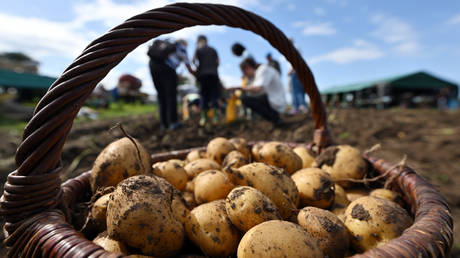
Europe's most essential comfort food is taking a massive hit. A brutal combination of record-breaking heatwaves and punishing droughts has turned agricultural hubs into dust bowls. Across major producers like Germany, France, Belgium, the Netherlands, and Great Britain, the potato harvest is vanishing.
Data compiled by the Energy and Climate Intelligence Unit shows production dropping by more than 3.5 million tonnes. Financial losses are piling up fast, projected between €498 million and €818 million. When a thirsty staple crop meets a baking continent, things break down quickly.
The Economics of a Shrunken Harvest
Farmers didn't just wake up to bad weather; they walked into a trap of their own making. Last year delivered a massive bumper crop. That surplus flooded markets, causing prices to collapse to next to nothing. Burned by low returns, growers panicked and cut down planting areas for this season.
Then the heat hit.
According to climate monitors, Europe just lived through its hottest summer on record—temperatures unseen in thousands of years. Potatoes need steady moisture to swell underground. When fields bake, tubers stop growing, skin cracks, and yields evaporate.
Prices have already reacted violently. In Belgium, free-market values shot up from zero in April to over €200 a tonne. Germany saw a wild climb from €15 a tonne in June to €240. When supply drops this drastically, supermarkets pass those spikes straight to your receipt.
Why Fixing This Is Harder Than Ever
Growing food in Europe right now feels like playing a video game on the hardest difficulty setting. Weather is only part of the nightmare.
Farmers are caught in a financial crossfire. Fuel costs have skyrocketed thanks to shipping disruptions and regional conflicts, making tractor work and transport brutally expensive. On top of that, policy battles are raging. Trade pressures, including strict US tariffs on EU imports, are squeezing margins.
Meanwhile, political friction is reaching a boiling point. The European Commission's Joint Research Center notes that general summer crop yields are sitting up to 14% below the five-year average. Agricultural lobbies like COPA-COGECA are openly fighting Brussels over environmental regulations, arguing that removing emergency exemptions from carbon taxes on imported fertilizers is kicking producers when they're already down.
When diesel is high, fertilizer is taxed, and the weather refuses to cooperate, growing staple foods stops being profitable.
What Happens Next to Your Food Supply
Don't expect cheap frozen fries or affordable bags of crisps to return anytime soon. Structural damage to agricultural sectors takes years to repair, not months. If smaller farms go bankrupt or pivot to less risky crops, Europe's reliance on imported food will only deepen.
If you run a food business, lock in your supply contracts now. If you're just trying to manage your grocery budget, prepare to pay more for processed potato products and root vegetables through the winter. The era of cheap, reliable staples is buckling under extreme weather.