Europe is panicking again.
Behind closed doors in Brussels, Berlin, and Paris, officials are scrambling to figure out how to react to Washington and Moscow trading signals behind their backs. The transatlantic alliance has always had friction, but right now, European capitals are entirely fragmented on a single existential question. How do you influence US-Russia talks when nobody invites you to the real table?
Some leaders want to cling tightly to Washington's coat-tails, hoping to whisper advice into the ear of the American president. Others think Europe needs to grow up fast, build an independent security architecture, and talk directly to Moscow before someone cuts a deal over their heads.
It’s messy. It’s loud. And it exposes deep cracks in the European Union's foreign policy consensus that have existed for decades.
The Washington Whisperers versus the Strategic Autonomy Crowd
Let’s look at the two main camps dividing the continent.
On one side, you have the Atlanticists. These are countries—mostly in Eastern and Northern Europe—who believe that any divergence from Washington is suicidal. They think the United States is the only security umbrella that matters against Russian aggression. Their strategy is simple. Stay close, don't rock the boat, and lobby American decision-makers privately to ensure Ukraine's interests aren't sacrificed for a quick diplomatic win.
On the other side, you have the self-styled champions of European sovereignty, led primarily by France and, to a lesser extent, parts of the diplomatic corps in Brussels. They argue that waiting for permission from Washington leaves the continent permanently vulnerable to shifting American political winds. They want a robust European defense policy and open diplomatic channels to Moscow, even if it makes Washington uncomfortable.
The trouble? Neither approach is working particularly well right now.
When you have twenty-seven different foreign policies masquerading as a unified bloc, foreign adversaries don't take you seriously. Moscow knows it can bypass Brussels entirely by cutting bilateral deals or leaning on individual European leaders who have different domestic priorities.
What Most People Get Wrong About European Defense Unity
People outside of Europe often assume the EU functions like a single country. They think there's a European equivalent of the Pentagon deciding strategy.
There isn't.
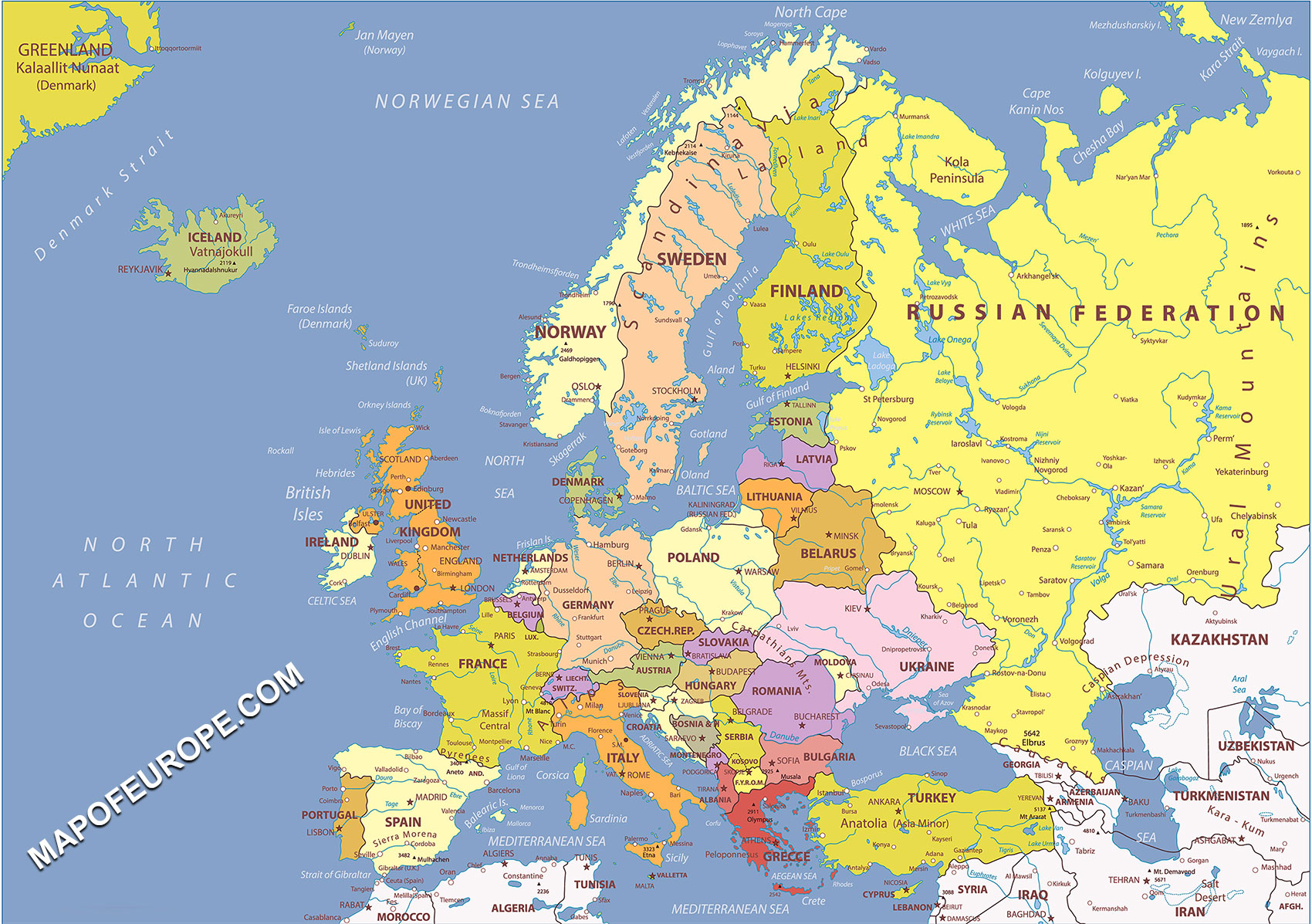
There are twenty-seven independent foreign ministries with twenty-seven different historical traumas, economic dependencies, and threat perceptions. Poland and the Baltic states view Russia through the lens of Soviet occupation and immediate geographical exposure. Spain and Portugal worry far more about migration and security stability in North Africa. Germany is paralyzed by its economic manufacturing model and historical baggage.
This fragmentation creates a fatal paralysis. By the time European leaders finish arguing over a joint statement or a sanctions package, the geopolitical reality on the ground has already shifted.
If you want to understand why Europe struggles to influence US-Russia talks, look at energy and defense spending history. For years, warnings about over-reliance on Russian gas were dismissed as alarmism in Western Europe. When the inevitable crisis hit, the scramble to decouple caused economic shockwaves across German industry.
The Cost of Sitting on the Sidelines
When Washington and Moscow start negotiating over European security architecture, Europe cannot afford to be a spectator. Yet that is precisely what happens when you lack a unified military deterrent and a single diplomatic voice.
Think about how international diplomacy works. Power respects power. If you don't bring serious military capability and economic leverage to the table, nobody cares what your foreign ministers think in a joint communique.
European defense spending has ticked upward, but much of it remains fragmented across dozens of different weapons systems that don't talk to each other. Procurement is still national rather than continental. Troops are trained differently. Logistics are a nightmare.
Until European capitals stop protecting their domestic defense contractors and build a truly integrated military capability, they will remain dependent on American protection. And whoever pays for the protection gets to set the terms of the peace.
How to Fix the Deadlock
Europe needs a hard dose of reality, and it needs it now.
First, stop pretending that unanimous consensus is possible on every single foreign policy issue. Moving to qualified majority voting on critical security matters is the only way the EU will ever project real power on the world stage.
Second, align European defense production immediately. Stop buying disparate weapon systems from different global suppliers just to keep local factories happy. Build a streamlined, continent-wide defense industrial base that can supply what is needed without waiting for congressional approval in Washington.
Third, establish a clear, unbreakable red line regarding European security. Any diplomatic settlement between Washington and Moscow that ignores European security concerns is a recipe for future conflict. European leaders must stop reacting to American initiatives and start presenting proactive, unified peace plans of their own.
The window to shape the future of European security is closing fast. Stop debating semantics in air-conditioned rooms in Brussels. Start building actual leverage, or prepare to live with the consequences dictated by others.