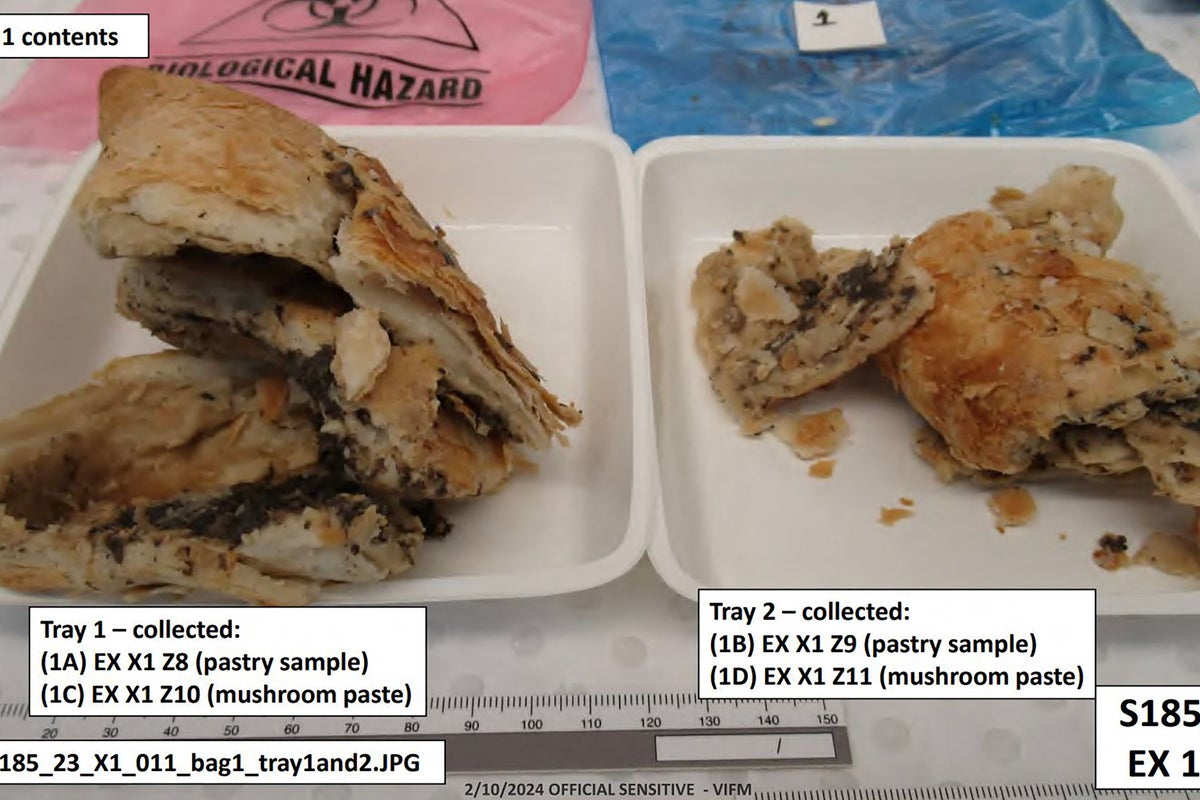
The dinner party that ended in catastrophe in Leongatha remains a scar on the Australian public consciousness. It’s been years since that July afternoon, yet the legal battle surrounding Erin Patterson has barely cooled. Prosecutors are currently pushing for a prison sentence that effectively removes any hope of freedom. They argue that the nature of the crime—a deadly Beef Wellington laced with Amanita phalloides—requires nothing less than a life without parole.
When you peel back the layers of this story, you find more than just a tragic poisoning. You find a clash between defense claims of innocence and a prosecution that paints a picture of calculated, predatory intent.
The Core Argument For Perpetual Imprisonment
Prosecutors haven't minced their words in Victoria's Court of Appeal. Brendan Kissane KC, representing the Crown, recently argued that the original 33-year non-parole period is simply not enough. In his view, the "pitiless" nature of the offense demands that Patterson stays behind bars for the rest of her natural life.
This is a heavy request. It pushes against the standard expectations of a judicial system that usually allows for at least some form of eventual review. Why the push for such severity? The prosecution points to the cold, calculated environment of the act itself. They aren't just looking at the result—the deaths of Don and Gail Patterson and Heather Wilkinson—but at the behavior leading up to the meal.
Misconceptions About The Mushroom Foraging Defense
One of the most persistent threads in this case is the defense's attempt to frame the mushroom gathering as an innocent hobby. It's a classic strategy: shift the narrative from malicious intent to tragic coincidence.
The prosecution, however, has been systematically dismantling this narrative. Jeremy McWilliams, acting for the Crown, pointed to a critical inconsistency that appeared during the trial. Patterson’s defense argued that she had a genuine, benign interest in foraging for wild mushrooms. Yet, the evidence presented—photos found on an SD card and social media activity—told a different story.
One specific instance stands out. Patterson allegedly posted on a Facebook group dedicated to poisons, asking for advice about a mushroom her "cat" had eaten. The kicker? She didn't even own a cat at the time. This detail isn't just a side note. It’s a direct challenge to the credibility of her defense. If you're lying about the context of your interaction with toxic substances, why should the court believe your account of how those substances ended up on a dinner plate?
The Reality Of Prison Conditions
Another layer of this appeal focuses on what actually happens to Patterson inside the prison walls. Her legal team, led by Richard Edney, has raised concerns about her being held in what they define as solitary confinement. Under the United Nations definition, this means 22 hours or more a day without meaningful contact.
It’s easy to get lost in the clinical language of legal filings, but this argument is clearly designed to generate sympathy. The prosecution’s counter-argument is equally sharp. They’ve suggested that the trial judge's initial concerns about her solitary confinement weren't backed by the reality of her day-to-day life. They argue she has access to libraries, equipment, and chaplains—amenities they claim contradict the "solitary" label.
Why The Legal Outcome Matters For Everyone
Why do people care so much about a specific appeal in a Victorian courtroom? Because it tests the limits of how we assign blame when evidence is circumstantial but overwhelming. The case rests on the idea that you don't just "accidentally" serve death-cap mushrooms to your in-laws.
The defense is trying to prove a miscarriage of justice occurred, specifically regarding how evidence was admitted. They are fighting for a retrial or a reduced sentence, hoping to convince the bench that the initial conviction was flawed. But the Crown is digging in, refusing to yield an inch on the severity of the punishment.
If you’ve followed this from the start, you know it’s rarely about the mushrooms. It’s about the person who prepared the meal and the life they were leading before that final, fatal bite was taken.
Taking The Next Step
For those observing this from afar, the takeaway is clear. This case isn't just about a tragic end in Leongatha; it's a brutal reminder of how quickly domestic tensions can escalate into a criminal nightmare. Whether the appeals court chooses to tighten the screws on the non-parole period or grants a review of the conviction, the legal precedent being set here will likely influence how similar poisoning cases are handled in the future.
The process is slow, deliberate, and undeniably painful for the families involved. If you want to understand where this is heading, pay close attention to the court’s rulings on the admissibility of evidence. That’s where the final chapter of this saga is being written. The legal system isn't just deciding on a prison term; it's deciding whether the evidence of a "pitiless" mind is enough to lock someone away forever.