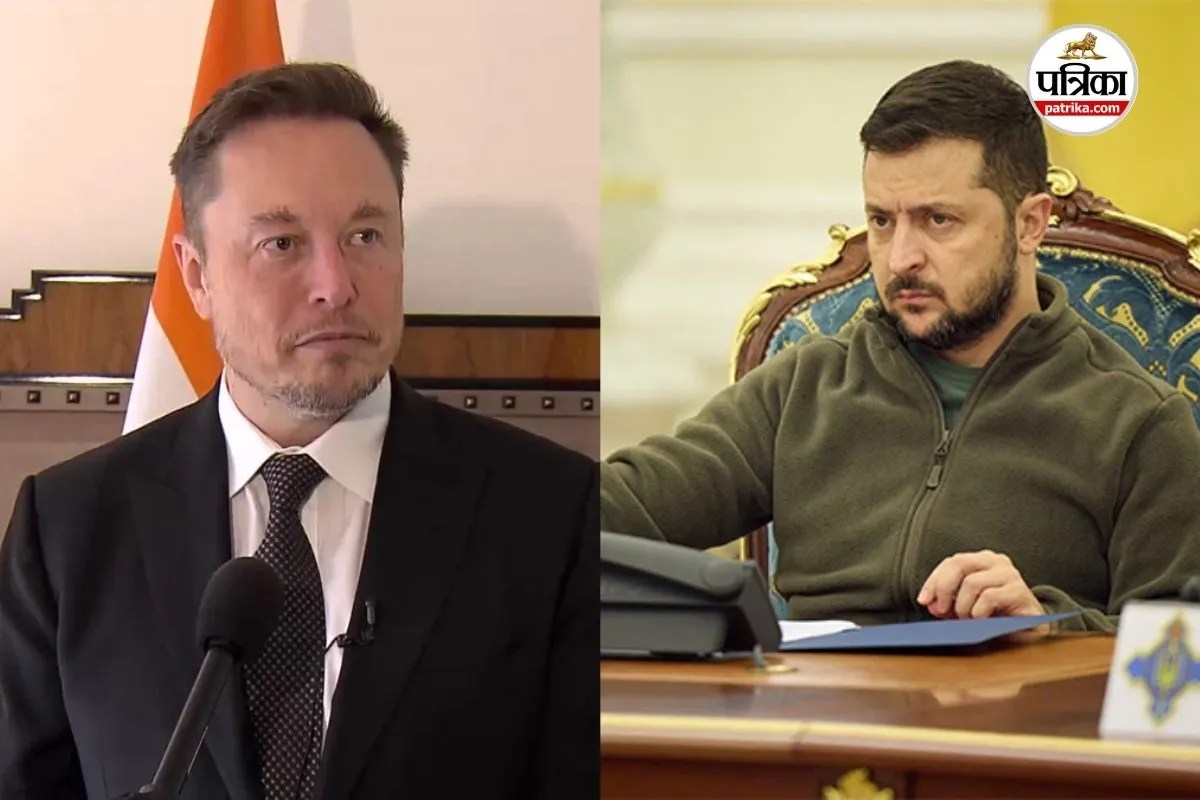
Satellites in low orbit shouldn't decide the outcome of bloody frontline battles, yet here we are. When internet speeds across Ukraine suddenly plummeted a week ago, military operations ground to a halt. Frontline units lost their coordination edge. Drones stuttered mid-flight. President Volodymyr Zelenskyy scrambled for answers, calling on international allies to pressure Washington and private tech barons alike.
Now the bandwidth is back. Speeds are restored to normal operating levels, giving Ukrainian logistics and air defense units the breathing room they desperately needed. But the digital lifeline comes with sharp, dangerous strings attached. Elon Musk didn't just flip the switch back on and walk away. He fired a massive public warning shot, accusing Kyiv of violating service terms by weaponizing commercial infrastructure for offensive drone strikes. In other news, we also covered: Why General David Petraeus Thinks Ai Is Smarter Than Us In Warfare.
You need to understand the underlying tension here. Starlink isn't just a luxury Wi-Fi router for hikers; it's the invisible nervous system holding Ukraine's defense grid together. Without it, entire sections of the frontline go dark. Yet SpaceX finds itself walking a tightrope between enabling a sovereign nation's survival and acting as an unappointed combatant in a nuclear-armed conflict. Musk draws a hard line at offensive warfare. He argues that civilian communication tools were never meant to guide explosive drones into enemy targets.
Meanwhile, Ukrainian commanders see things differently. When you're fighting an existential war for survival against a vastly larger invading force, every available tool becomes a weapon. Restricting bandwidth to 160 kilometers per hour limits wasn't just a technical glitch; it forced tactical retreats and disrupted incoming missile warnings. When American politicians stepped in and President Donald Trump promised fixes, the speed restrictions quietly vanished. Engadget has provided coverage on this fascinating subject in great detail.
The real question nobody wants to answer is simple. Can the modern battlefield rely on the whims of private billionaires? SpaceX has poured unprecedented resources into keeping Ukraine connected, shouldering costs and security threats that traditional defense contractors would bill billions for. But charity has boundaries. When corporate terms of service collide with military survival, nobody wins clean.
Expect this friction to repeat itself. Technology monopolies hold unprecedented geopolitical power, and governments are scrambling to catch up. For now, the terminals are humming again on the frontlines. But the digital leash is shorter than ever.


