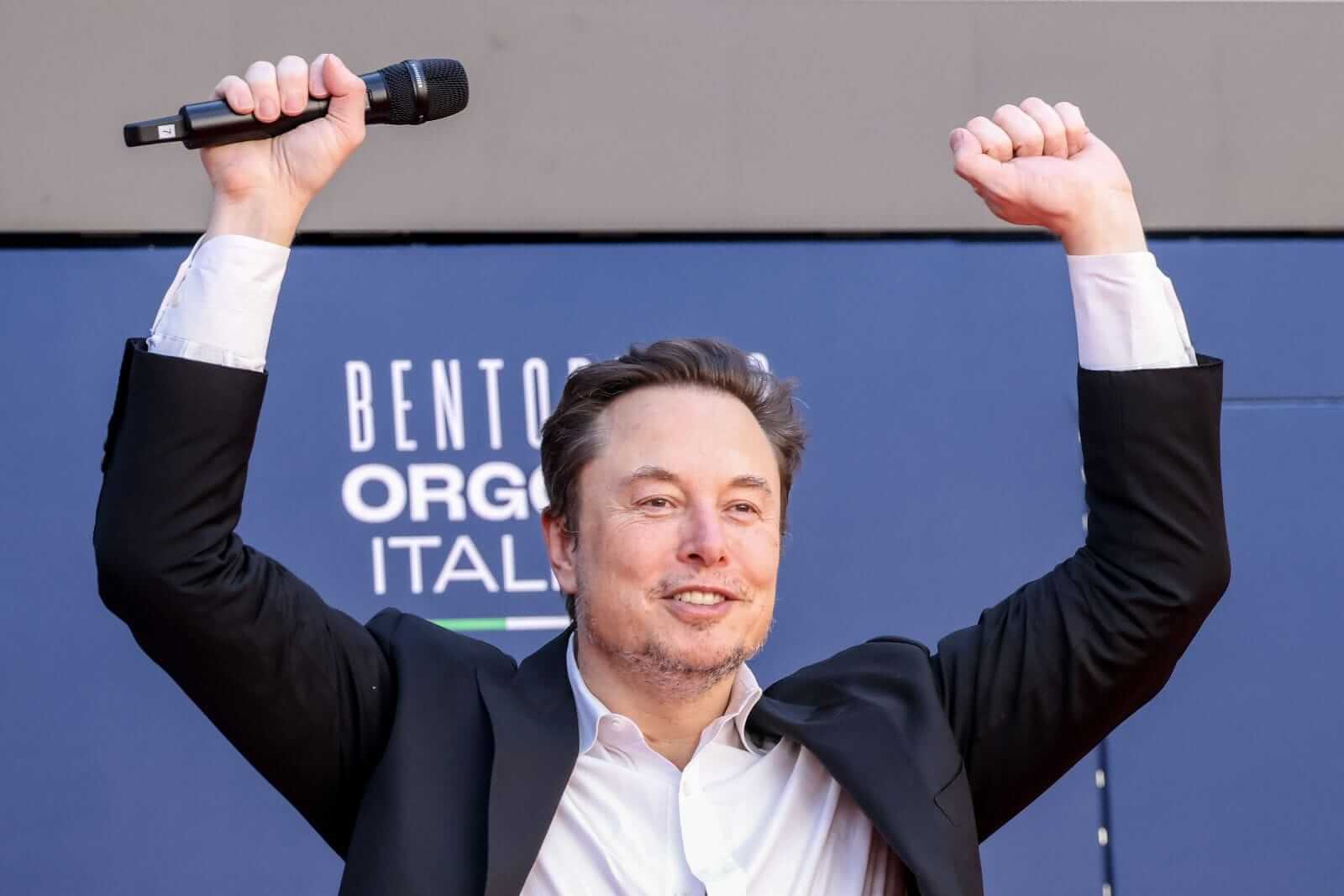
Getting internet to billions sounds noble on paper, but in reality, it is a brutal turf war. Elon Musk just found that out the hard way in South Asia.
SpaceX has been fighting an uphill battle to bring its satellite broadband service to the world's most populous nation. Musk took to social media to vent his frustration, pointing fingers directly at unnamed "oligarchs" who he claims are intentionally stalling the rollout. He accused these powerful players of trying to maintain a monopolistic chokehold on local consumers. He didn't drop names, but anyone tracking the telecommunications sector knows exactly who he meant.
The rivalry centers around massive incumbent telecom giants like Reliance Jio and Bharti Airtel. Together, these two powerhouses control over eighty percent of India's broadband and mobile market, servicing roughly 910 million subscribers. When an outsider like SpaceX tries to muscle into a market that size with low-earth orbit satellites, incumbents don't just roll out the red carpet. They protect their turf using every regulatory and political tool available.
Right now, Starlink holds a global mobile personal communication by satellite services license in India, but it cannot flip the switch yet. Security agencies under the country's home ministry have withheld final clearances, citing strict domestic security protocols. SpaceX claims it has built 20 gateway sites and set up localized data controls to satisfy regulatory demands, but approvals remain frozen.
Musk called the delay a crime against the people of India, arguing that millions remain cut off or trapped paying high prices for mediocre terrestrial connections. Meanwhile, local telecom giants are busy cementing their market dominance, with Reliance Jio preparing for what could be the largest initial public offering in the country's history.
Satellite internet changes the economics of connectivity entirely. Traditional towers require miles of expensive fiber-optic cables strung across difficult terrain, giving incumbents a natural moat. Satellites bypass that entirely, beaming broadband straight to a small dish anywhere from Mumbai to a remote Himalayan village. That threat explains why the friction is so intense.
Government regulators are caught between two massive forces. On one side stands a powerful domestic telecom lobby that has poured billions into infrastructure and political capital. On the other side sits the world's most famous aerospace entrepreneur, pushing hard for market access with backing from global investors.
Expect this battle to drag on through regulatory appeals and behind-the-scenes lobbying well into next year. If you are waiting for orbital internet to change how rural connectivity works in the region, keep waiting. The gatekeepers aren't moving out of the way anytime soon.