Why Elon Musk Felt Pretty Foolish Over His Midterm Spending
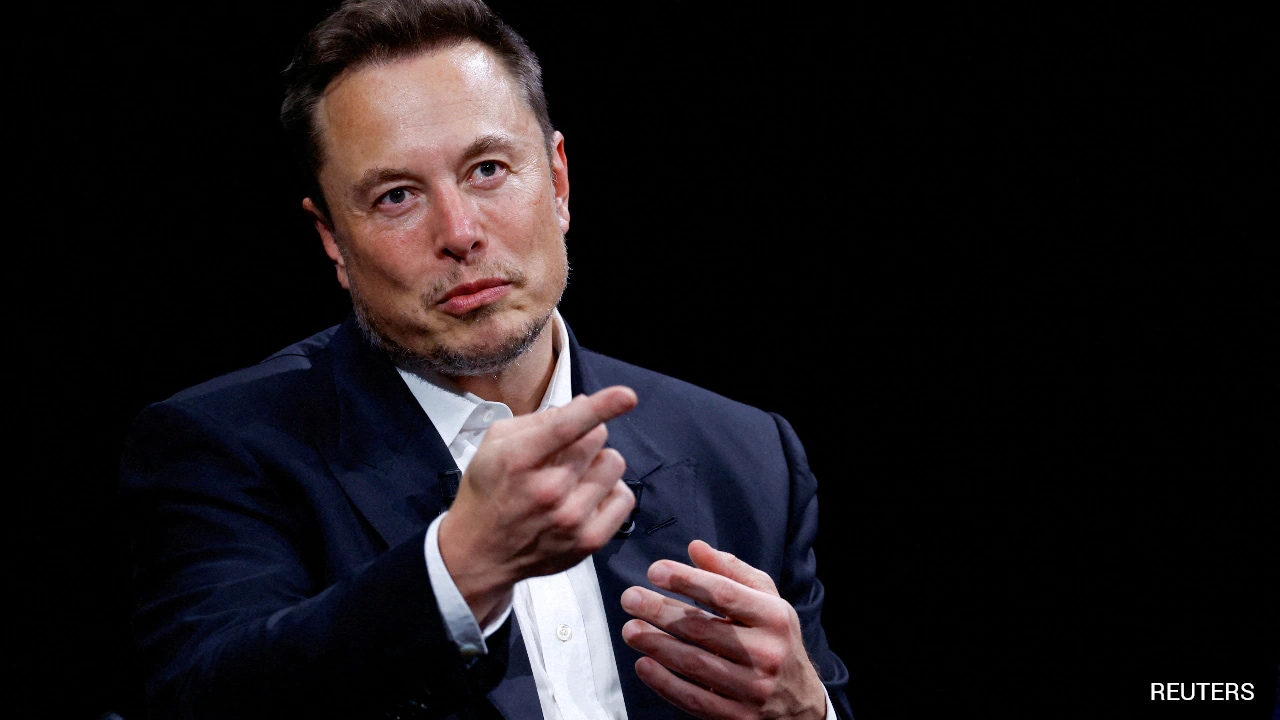
Spending hundreds of millions of dollars on an election only to watch your side get wiped out at the ballot box is a special kind of hangover. That's where Elon Musk landed after the 2026 US midterm elections, admitting at the New York Times DealBook Summit on November 18 that he felt "pretty foolish" about how much cash he poured into backing Republicans.
Money doesn't buy elections on autopilot. Even when you're the richest person on Earth.
Musk had pumped roughly half a billion dollars into the midterm cycle—reported around $446 million to $474 million depending on late filings and tallies, or roughly Rs 4,700 crore in Indian currency—hoping to hold Congress and keep Texas firmly in Republican hands. Instead, Democrats swept both chambers of Congress. Worse yet for Musk's home-base strategy, Democrat Gina Hinojosa unseated Republican Governor Greg Abbott in Texas, and Democrat James Talarico defeated Republican Ken Paxton in the Texas Senate race.
Looking back at the blowout, Musk said he felt "pretty foolish about having spent so much money and not seeing much for it," adding that if he could rewind the clock, he probably would have spent less. Honestly, it's hard not to notice the whiplash. Just a year earlier, after putting nearly $300 million toward Donald Trump's 2024 presidential win, Musk had floated the idea of scaling back his political spending. Then 2026 rolled around, and he blew right past his own restraint.
What Actually Happened in the 2026 Midterms
If you only read quick wire summaries, you might think Musk just wrote a few big checks and walked away. That isn't what happened. His money flowed through political action committees like America PAC and the Senate Leadership Fund, funding aggressive ground games and saturation-level ad campaigns across key races.
Texas was the centerpiece. Why Texas? Because Tesla, SpaceX, and a planned chipmaking venture between the two companies are deeply rooted there, alongside massive physical and industrial footprints. Keeping Texas reliably red wasn't abstract ideology for Musk; it was tied directly to the regulatory and political environment around his empire.
Yet the results flipped hard. In Texas, Democrats broke through in both the governor's race and the US Senate race, where Talarico beat Paxton—a massive shift in a state Republicans had controlled statewide for decades. Nationwide, Democrats captured both the House and the Senate, handing President Trump and his allies a major midterm rebuke.
Why Throwing Mega-Dollars at Voters Backfired
There's a common myth in modern politics that if you outspend the other side by tens or hundreds of millions, you can manufacture a wave. Voters don't work like ad impressions.
First, ad fatigue is real. When voters see the same super PAC attack ads running nonstop for weeks, the message stops persuading and starts irritating. Talarico's campaign explicitly pointed out how heavily Musk-backed PACs flooded the zone with negative ads, turning the spending itself into a talking point against the candidates Musk supported.
Second, mega-donor money can become a character issue for the opposing side. In races where voters already feel squeezed by cost-of-living pressures or skeptical of billionaire influence, a single ultra-wealthy outsider bankrolling a slate gives opponents an easy villain. You can argue policy all day, but when a voter sees one billionaire trying to lock in friendly politicians, the optics cut both ways.
Third, spending can't fix a weak local fit or a national headwind. Musk himself acknowledged after the vote that Republican candidates might have done even worse without the money, which is probably true in a few tight spots. Still, campaign cash acts like a multiplier on an existing wind—not a substitute for wind. When national voter sentiment is pushing hard against the party in power, extra TV spots won't magically reverse the tide.
The Bigger Picture for Musk and Big Money in Politics
Don't mistake Musk's regret for financial ruin. Even half a billion dollars—massive by campaign finance standards, making him the single biggest individual donor of the cycle—is a tiny slice of a centibillionaire's fortune (especially after SpaceX's mid-2026 public listing briefly pushed him into trillionaire territory according to billionaire trackers like Altrata). Financially, it stings; personally, it doesn't break him.
Politically, though, the stakes just got sharper. With Democrats taking control of Congress, leaders have signaled plans for tougher scrutiny and congressional investigations touching Trump allies, government efficiency work Musk was tied to last year, and federal oversight of major tech and aerospace contractors. Having spent hundreds of millions trying to prevent a Democratic Congress only to face a Democratic majority anyway is a tough outcome to spin.
At the same time, Musk pivoted right back to his core business story during the same DealBook appearance, saying Anthropic was "extremely likely" to keep renting computing capacity from SpaceX and could seek an additional 10 gigawatts of capacity. That contrast says a lot. When Musk talks about power, compute, and rockets, he sounds like an operator building hardware. When he talks about his $470-odd million midterm bet, he sounds like someone who learned—again—that politics doesn't obey engineering math.
Practical Next Steps If You're Following Campaign Finance or Tech Power
If you want to cut through the noise around billionaire political spending and what it actually means going forward, focus on a few concrete habits:
- Check FEC filings, not just headlines. Big numbers bounce around fast before and after election night. Look up primary Federal Election Commission disclosures to see which PACs actually spent the money, what states got targeted, and how late the checks arrived.
- Track policy and oversight, not just horse-race drama. Election outcomes matter less for a single day than for committee gavels, regulatory agencies, and federal contracts over the next two years. Watch which congressional committees open probes or hold hearings affecting major tech and defense firms.
- Separate persuasion from turnout. Whenever you hear about a massive ad buy, ask whether that money is trying to change minds late in the game or pay for door-knocking and voter turnout. Those two tactics fail for very different reasons.
- Watch the business fundamentals alongside the politics. Even when a founder dives headfirst into partisan fights, core commercial drivers—like AI compute demand, manufacturing margins, and regulatory approvals—still shape the long-term company story.
Money talks in American elections, sure. Sometimes, though, all it says is that you spent a fortune to hear "no."