When Pacific Ocean waters warm up, the consequences ripple across the globe within weeks. You hear about climate data in abstract terms, but the reality on the ground looks like parched fields, rolling blackouts, and raging wildfires. El Nino isn't just a weather footnote for meteorologists. It's a massive disruption machine that hits food supplies and energy grids when you least expect it.
Why Pacific Ocean Warming Breaks Global Systems
The El Nino-Southern Oscillation cycle alters atmospheric pressure and winds across the equatorial Pacific. When surface waters heat up significantly, normal trade winds weaken or reverse. This single shift redirects jet streams, starves entire regions of rain, and dumps catastrophic floods on others.
Most people don't realize how fast these shifts strain infrastructure. Reservoirs drop below critical thresholds for hydroelectric dams, forcing sudden power cuts. At the same time, high temperatures bake agricultural belts from Southeast Asia to southern Africa.
The Hidden Driver Behind Food Insecurity and Rising Prices
When rainfall disappears during a strong El Nino phase, crop yields collapse. Smallholder farmers who depend entirely on seasonal rains watch maize, rice, and wheat wither in the dirt.
According to data from agencies like the World Food Programme, severe weather shocks tied to these warming cycles routinely push tens of millions of people toward acute food insecurity. It's a domino effect:
- Local harvests fail completely in moisture-sensitive regions.
- Global commodity supplies tighten rapidly.
- Market prices spike, putting basic calories out of reach for vulnerable populations worldwide.
You see the impact at your local grocery store months later, long after the initial ocean temperature anomalies make headlines. Higher feed costs drive up meat prices, while grain shortages inflate the cost of bread and packaged goods.
Power Grids Under Siege From Heat and Drought
Energy security takes a massive hit during these climate phases. Hydroelectric power plants rely on steady river flows and full reservoirs to turn turbines. When prolonged droughts hit river basins in South America or parts of Asia, water levels sink to historic lows.
Utilities are forced to implement rolling blackouts to conserve power. Factories shut down their assembly lines for hours each day. Hospitals and schools lean on expensive diesel generators, straining municipal budgets.
At the other end of the extreme, blistering heatwaves drive residential electricity demand to record highs as millions crank up air conditioning simultaneously. Grids fail under the dual pressure of crippled generation capacity and soaring consumption.
Wildfires and the Feedback Loop of Destruction
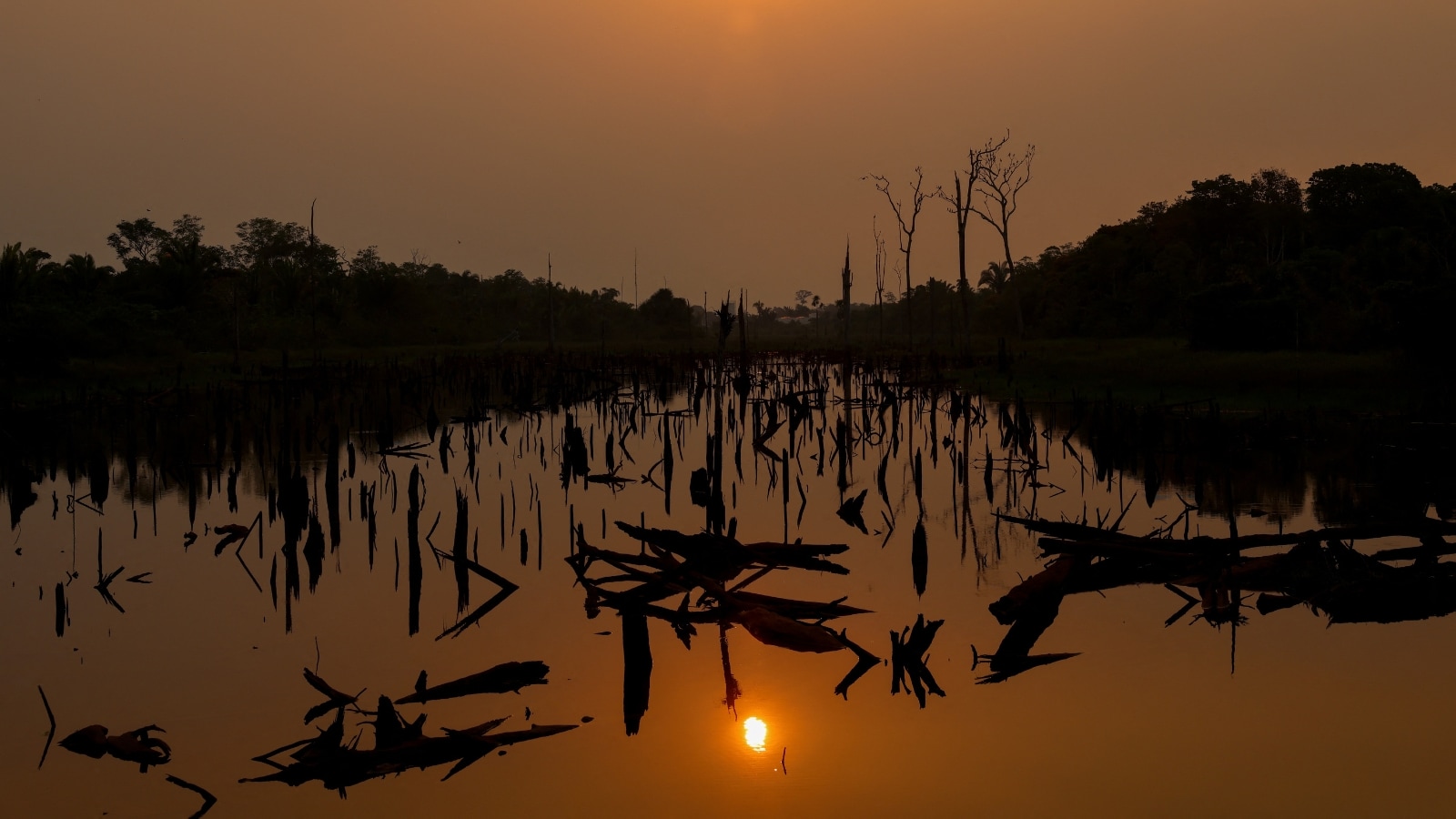
Dry conditions turn forests and peatlands into tinderboxes. When the wet season fails to deliver adequate moisture, vegetation enters dry months already parched.
Recent monitoring by organizations like the Food and Agriculture Organization shows that tropical forests experience unprecedented simultaneous heat and drought during intense phases. The resulting wildfires release massive amounts of carbon back into the atmosphere, accelerating the very warming trends that made the forests vulnerable in the first place.
You aren't just dealing with local smoke pollution. These fires wipe out biodiversity, destroy rural livelihoods, and permanently alter fragile ecosystems that take decades to recover.
Preparing for the Next Climate Shock
Governments and agricultural cooperatives are learning that reactive aid isn't enough. Early warning systems now allow agencies to distribute drought-resistant seeds and secure food reserves before the worst effects hit.
If you manage supply chains, run an agribusiness, or simply want to understand where inflation stems from, keep an eye on equatorial Pacific sea surface temperatures. Ignoring these weather patterns means getting caught flat-footed when the next global squeeze hits food and energy markets. Watch the data early, diversify your supply sources, and build redundancy into your systems before the dry spells set in.