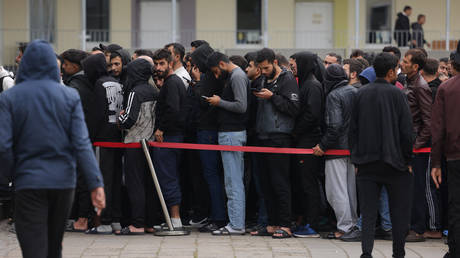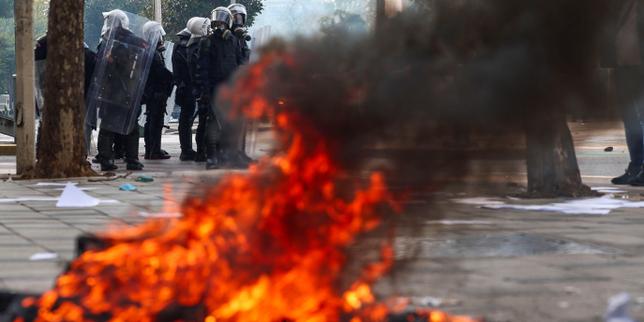
Tear gas fills the air outside government ministries in Tirana, and glass crunches under the boots of riot police. Albania is locked in its third straight day of fierce, student-led anti-government unrest. Demonstrators are hurling Molotov cocktails, scaling security walls, and torching makeshift barricades built from burning rubbish bins. They want Prime Minister Edi Rama gone.
Rama isn't going anywhere.
As the chaos enters a critical phase with dozens of injuries reported—including over seventy police officers hurt—the government is holding its ground. Rama made his stance crystal clear in written statements to international media. Governments change through democratic ballot boxes, not street violence or sudden revolutions. He pointed out that Albania held elections just last year, framing the unrest as an attempt to derail the country's fragile European Union accession path.
What Sparked the Fury in Tirana
The eruption didn't happen in a vacuum. What started as a student mobilization against soaring university costs, living pressures, and poor campus conditions quickly morphed into a broader anti-establishment explosion. Masked demonstrators smashed bank branches, set fire to official documents, and targeted government structures.
Anger over endemic corruption and stagnant economic prospects for young people fuels the crowds. Young Albanians look at high inflation, limited job opportunities, and widespread allegations of political graft, and they've simply had enough. The opposition right-wing Democrats, led by figures like Sali Berisha, have historically fed off this energy, though the current wave carries a raw, youth-driven urgency reminiscent of recent school protests across Europe.
The EU Aspirations at Risk
Albania wants to join the European Union by 2028, leading the Balkan pack alongside Montenegro. Brussels is watching the smoke over Tirana with deep unease. EU delegations have issued standard calls for immediate de-escalation, reminding leaders and citizens alike that freedom of assembly is a core democratic value while violence has zero place in a modern European state.
Rama is playing hardball with these optics. He claims domestic and foreign forces want to sabotage Albania's EU progress, pointing to recent European Commission recognitions of anti-corruption efforts. Critics counter that decades of political polarization between Rama’s Socialists and Berisha’s Democrats have turned the nation into a breeding ground for systemic cronyism and money laundering.
What Happens Next on the Streets
Police have detained scores of individuals, deploying water cannons and heavy tear gas to clear the boulevards. Local businesses and chambers of commerce are already counting the cost of shattered windows and vandalized property, warning of long-term economic damage to the capital.
If you're watching the situation unfold, expect the standoff to test the limits of Albania's endurance. Rama refuses to resign, the student movement refuses to quiet down, and the streets of Tirana remain a powder keg. Watch the official response from Brussels in the coming days; the EU's reaction to the crackdown will dictate whether Tirana cools off or boils over entirely.