More than fifty million Americans have already cast their ballots for the 2026 midterm elections, and the tea leaves point to a distinct shift in momentum. If you look past the standard political spin, the early data reveals a massive wave of enthusiasm among Democratic voters in key Senate battlegrounds.
Let's look at what's actually happening on the ground instead of relying on generic punditry.
The Reality Behind the Record Early Turnout Surge
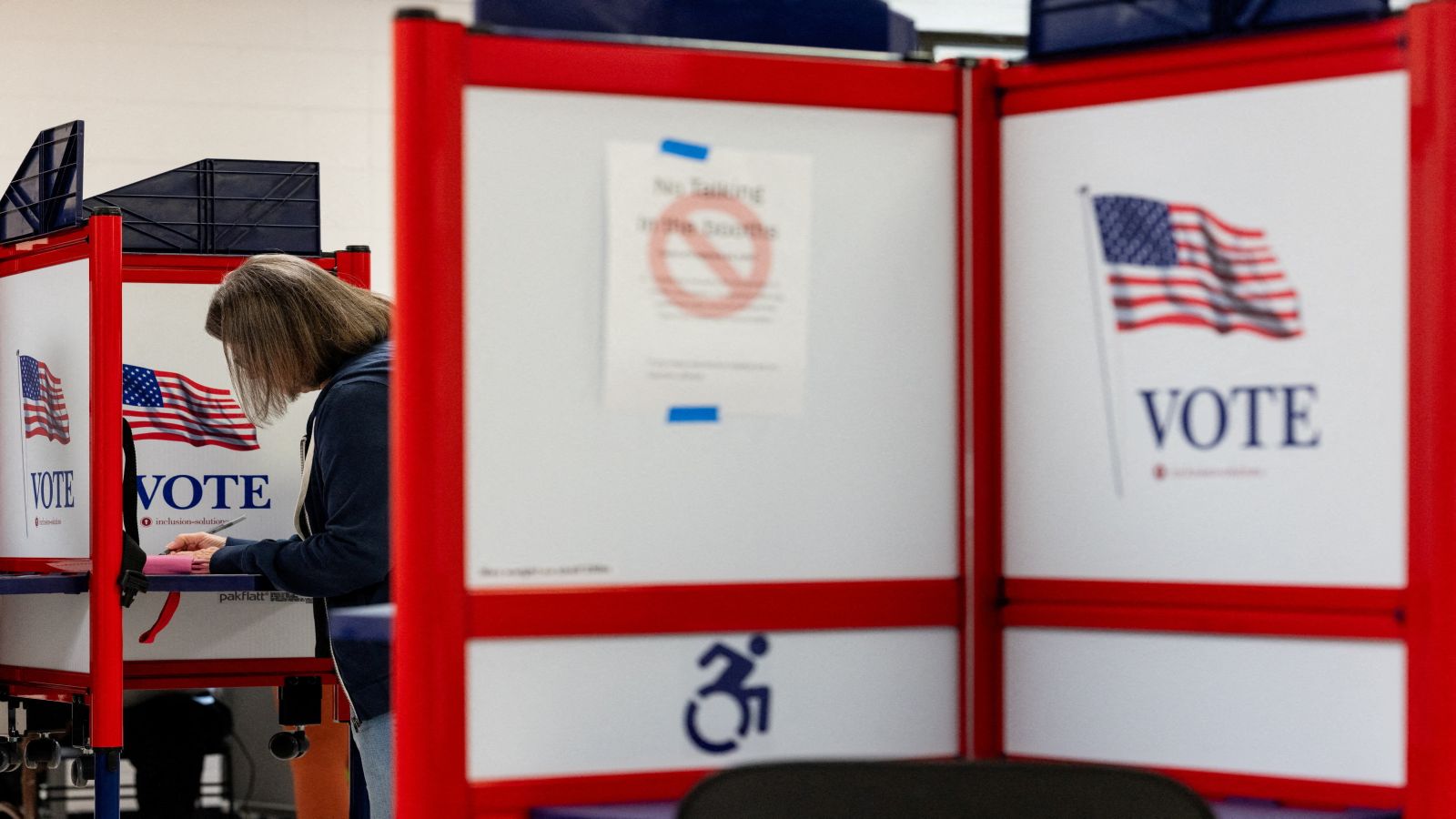
Voter participation shattered historical midterm records across multiple states. In North Carolina, over a million Democrats turned out early, significantly outpacing Republican numbers. Similar trends popped up in states like Georgia, Texas, and Michigan, where early voting lines wrapped around community centers for hours.
Why are voters rushing to the polls weeks early? It comes down to basic motivation. Political scientists tracking the data note that voters viewing the midterms as a direct referendum on the current administration are much more eager to lock in their choices. When people feel anxious about economic pressures or shifting national policies, they don't wait for a single Tuesday in November. They vote the moment polling locations open.
Breaking Down the Partisan Split
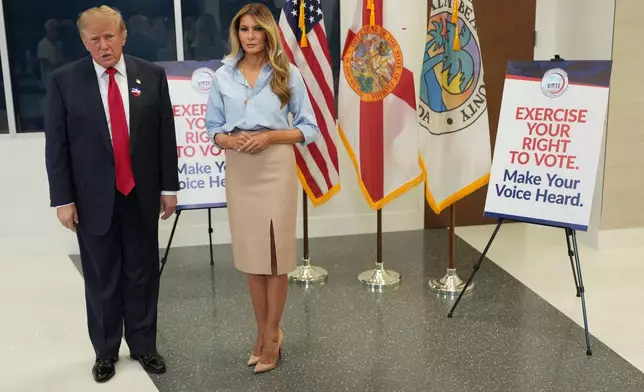
According to data compiled by the University of Florida's election lab, early voters broke down roughly with Democrats casting 43 percent of ballots, Republicans at 31 percent, and unaffiliated or independent voters making up the remaining 25 percent.
That gap catches the attention of campaign strategists for a simple reason. Republicans traditionally dominate mail-in and early voting models in many of these districts, banking votes ahead of Election Day. Seeing Democrats secure such a pronounced early advantage flips the traditional playbook on its head.
- North Carolina: Former Governor Roy Cooper maintains a commanding presence as enthusiasm surges past previous midterm highs.
- Texas: Record numbers approaching eight million early votes reflect unprecedented mobilization in urban and suburban corridors.
- Michigan and Ohio: Competitive toss-up races see high-propensity voters locking in ballots early, neutralizing traditional get-out-the-vote deficits.
Why Midterm Behavior Is Shifting
For years, conventional wisdom dictated that low turnout favored the party out of power. Pundits assumed that complacent voters stayed home while disgruntled opposition voters formed a mobilized army.
This cycle breaks that mold. Republican leadership spent the final weeks of October openly begging their base to overcome primary fractures and internal party drama, particularly in states like South Carolina. When voters are divided or frustrated with their own party's infighting, enthusiasm drops. Meanwhile, motivated groups driving the Democratic early voting surge are treating every single ballot as a high-stakes referendum.
You cannot look at a 13 percent increase in early turnout in Georgia or a 30 percent jump in Maine and Kansas and write it off as statistical noise. It represents a fundamental change in how Americans approach midterm cycles.
What to Watch as Final Ballots Are Counted
Early numbers tell a compelling story, but they don't write the final chapter. Winning the early vote war means nothing if a campaign fails to cure rejected ballots or misses independent voters who wait until the very last hour on Tuesday.
Keep your eyes on independent registration numbers and suburban turnout splits as the remaining precincts report. The parties that turn raw anxiety into structured, disciplined execution on election day will claim the majority.
Stop treating early totals as a magic oracle. Treat them as a clear warning sign of where the momentum sits right now.
Record Early Turnout, Battleground States
This video provides an on-the-ground look at how record early voter turnout is playing out across key battleground states in the current midterm cycle.