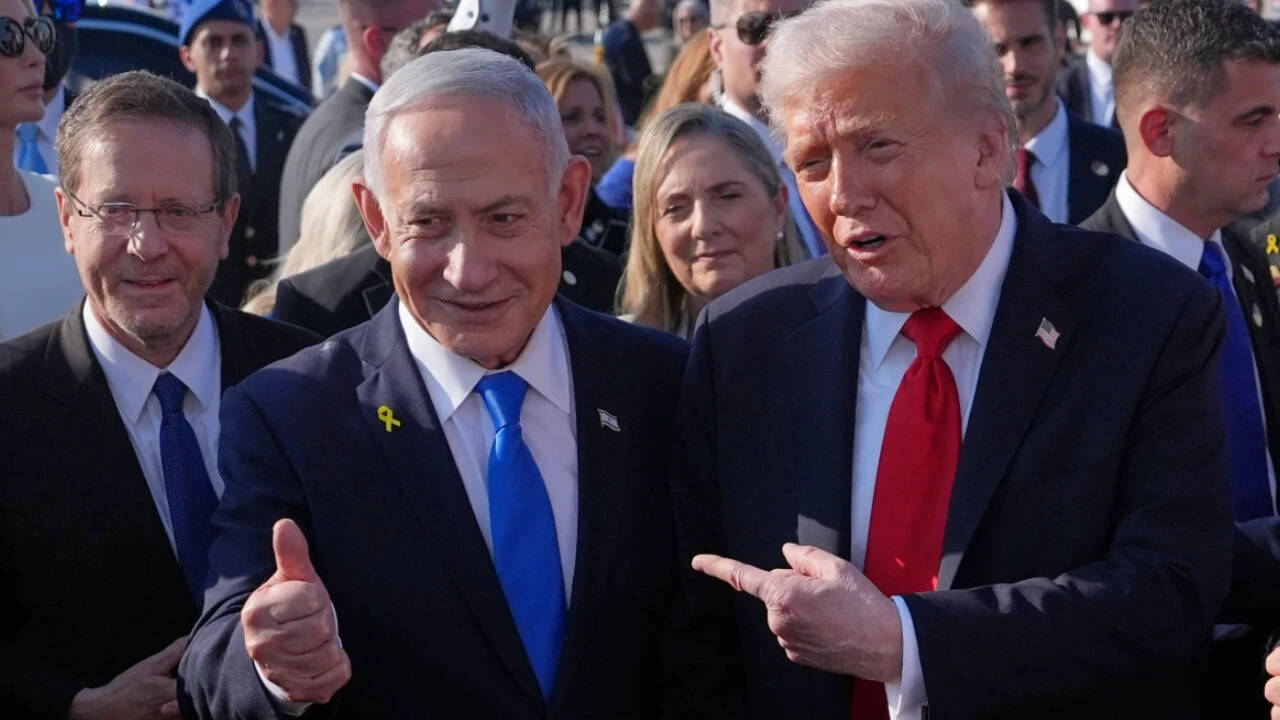
Donald Trump isn't one to stay out of foreign elections. When the US president throws his weight behind a world leader right before voters head to the polls, people notice. This time, he's doubling down on Benjamin Netanyahu, labeling the Israeli prime minister an outstanding warrior who needs to finish the job in Iran.
If you're wondering why this endorsement matters so much right now, look at the calendar. Israeli voters are casting ballots while Netanyahu's coalition fights for survival in the polls. Trump's fiery Truth Social post wasn't just a casual shoutout. It was a calculated intervention designed to sway undecided voters at the eleventh hour.
The Iran Factor and Shared Strategy
Trump made the core motivation behind his endorsement crystal clear. It's all about Iran.
In his statements, Trump tied his own past military actions to Netanyahu's political survival. He pointed to aggressive operations that dismantled portions of Iran's military capabilities, leaving its economy battered and inflation soaring. Trump argued that stopping Tehran's nuclear ambitions requires uninterrupted leadership.
"We have to finish the job that we started," Trump wrote, framing the upcoming election as a referendum on national security rather than domestic politics.
Critics often forget how tightly bound US and Israeli foreign policy can become during regional crises. Trump's public backing is meant to reassure right-wing voters in Israel who fear that a change in leadership could lead to a softer diplomatic approach with Tehran. Netanyahu has long positioned himself as the only statesman tough enough to handle existential threats. Trump's endorsement acts as validation for that exact narrative.
Navigating Past Friction
This public display of bonhomie masks a complicated history. It wasn't too long ago that political analysts whispered about severe friction between Washington and Jerusalem.
Earlier in the year, reports surfaced that Trump felt frustrated by Netanyahu's promises of a quick, decisive victory against Tehran—promises that didn't materialize as fast as Washington wanted. Tensions flared when the US briefly explored diplomatic off-ramps, leaving Israeli officials anxious about being sidelined in a broader regional settlement. Back in June, reports even caught Trump making sharp remarks about Netanyahu's hardline military strikes in Lebanon that complicated peace talks.
Yet, politics makes strange bedfellows. When an election approaches and the polls look tight, past disagreements take a back seat. Netanyahu has actively courted this public reaffirmation, knowing that a strong bond with Washington plays well with a significant portion of the Israeli electorate.
What Happens Next at the Polls
Foreign endorsements rarely go uncontested. Opponents argue that relying on external figures compromises national sovereignty and alienates traditional allies who prefer diplomatic stability.
Still, Netanyahu's camp knows the power of a high-profile American ally. By framing the vote as a binary choice between resolute strength and dangerous compromise, the incumbent prime minister hopes to galvanize his base.
Trump's direct appeal breaks conventional diplomatic norms, but breaking norms is standard operating procedure for both leaders. Whether this eleventh-hour push is enough to secure a parliamentary majority remains to be seen. But one thing is certain: the stakes for the entire Middle East hang in the balance.