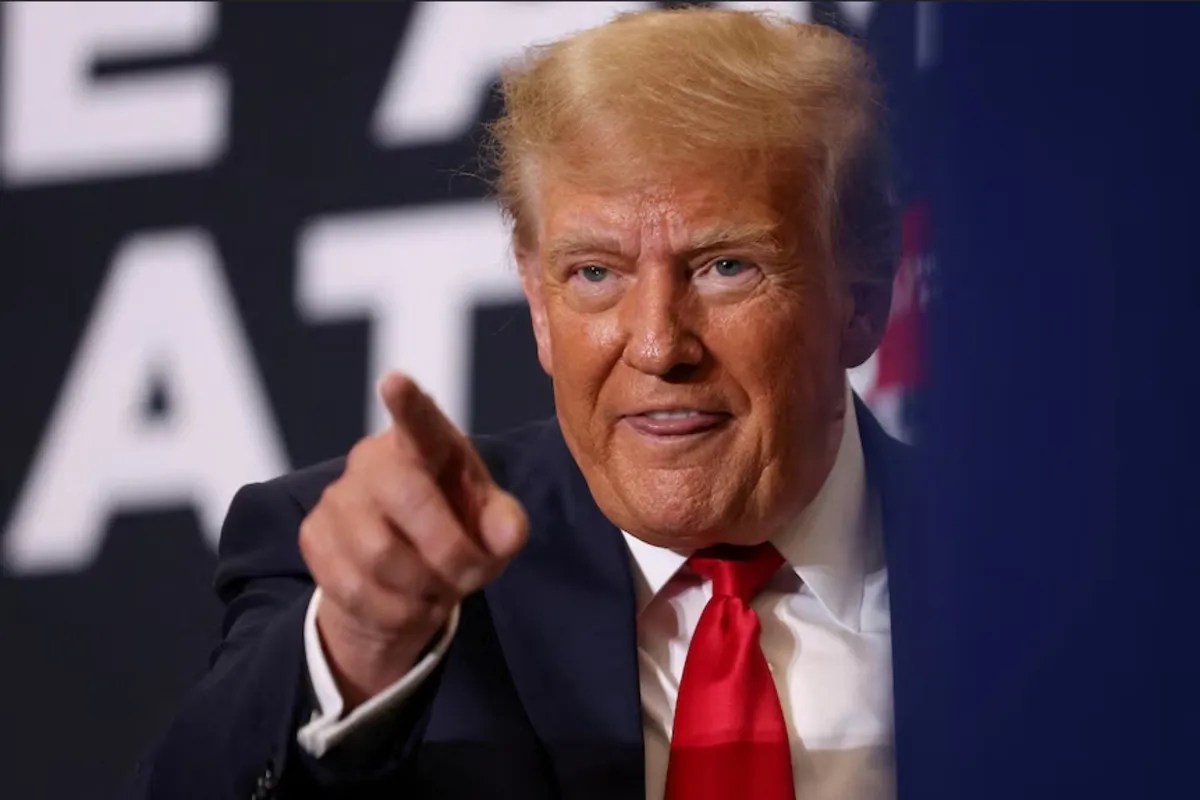
Donald Trump just dropped a major bombshell on foreign policy. Washington is planning to pull the plug on its annual four billion dollar military aid package to Israel by the end of 2026. If you have been tracking US-Israel relations, this announcement feels like a massive pivot. But is it actually a sudden betrayal, or is it a calculated financial shift that both governments saw coming?
Let's break down what is actually happening behind the headlines, why the timing matters, and what this means for future defense trade between the two allies.
The Real Reason Behind the Aid Cut
For decades, the United States has poured billions into Israel's defense budget. Under the current ten-year memorandum of understanding signed back in 2016, Washington supplies roughly 3.8 to 4 billion dollars annually in military assistance. That arrangement was originally set to run through 2028.
So, why truncate it early?
Trump stated during a media appearance that Israeli Prime Minister Benjamin Netanyahu actually approached him about winding down the assistance. According to the White House, Israel's economy has grown into a thriving powerhouse, meaning they simply don't require direct financial handouts anymore.
There is also a heavy domestic political calculation at play. US lawmakers on both sides of the aisle have faced intense scrutiny over foreign aid, especially with critics using the massive funding packages as a political weapon during election cycles. By cutting off the direct subsidy, Washington removes an easy target for domestic political opponents.
Will Israel Stop Buying American Weapons?
No. This is where most casual observers get the story completely wrong.
Stopping financial aid does not mean stopping defense cooperation. Israel isn't being cut off from American military hardware. Instead of receiving free money or subsidized cash grants, Israel will transition into a standard commercial customer.
As Trump bluntly put it, they can buy whatever they want because the US builds the best military equipment on the planet. Netanyahu himself signaled earlier in the year that the time had come for Israel to shift from being a traditional aid recipient to an independent strategic partner.
This move effectively transforms a dependent subsidy model into a multi-billion-dollar commercial defense market. Israel has the capital to fund its own defense procurement, and American defense contractors will likely keep fulfilling major hardware orders through direct cash sales.
The Timing Puzzle and Regional Pressures
The announcement landed right as American voters headed to the polls for the 2026 midterm elections. Analysts in Washington have pointed out that dropping such a massive foreign policy shift on election day was hardly accidental. It instantly reshaped the news cycle, shifting the debate away from domestic struggles and onto a bold foreign policy decision.
At the same time, the Middle East is sitting on a knife-edge. Ongoing regional tensions, recent military friction involving Iran, and complex diplomatic maneuvering mean that security guarantees are heavily scrutinized. While financial aid is drying up, intelligence sharing and emergency supply lines remain critical variables.
What Happens Next
The transition takes effect at the close of 2026. Over the next few months, defense bureaucrats in both Washington and Tel Aviv will have to hammer out the administrative details of how the existing 2016 agreement gets formally adjusted or wrapped up ahead of its original 2028 expiration date.
Expect a lot of political posturing as opposition lawmakers try to spin the decision, but the core economic reality remains unchanged. Israel's defense sector is mature enough to stand on its own feet, and the era of unconditional annual aid checks is officially drawing to a close.