Fresh off a rough midterm election where his party took a beating at the polls, Donald Trump decided the absolute highest priority for the American presidency was protecting the physical shape of his workspace.
In a move that caught Washington off guard, Trump signed a proclamation designating the Oval Office, the outer Oval Office, and the Cabinet Room as national monuments. His stated goal? Stopping future administrations from tearing down walls or redesigning the space into something else.
If you are trying to find the logic here, you are not alone. The announcement feels less like a calculated administrative strategy and more like an eccentric distraction from political reality.
The Post Midterm Diversion
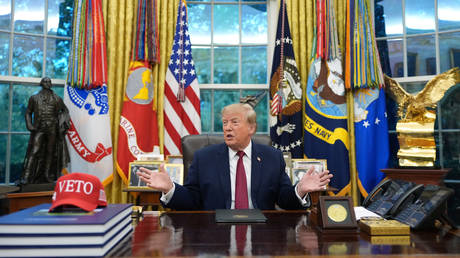
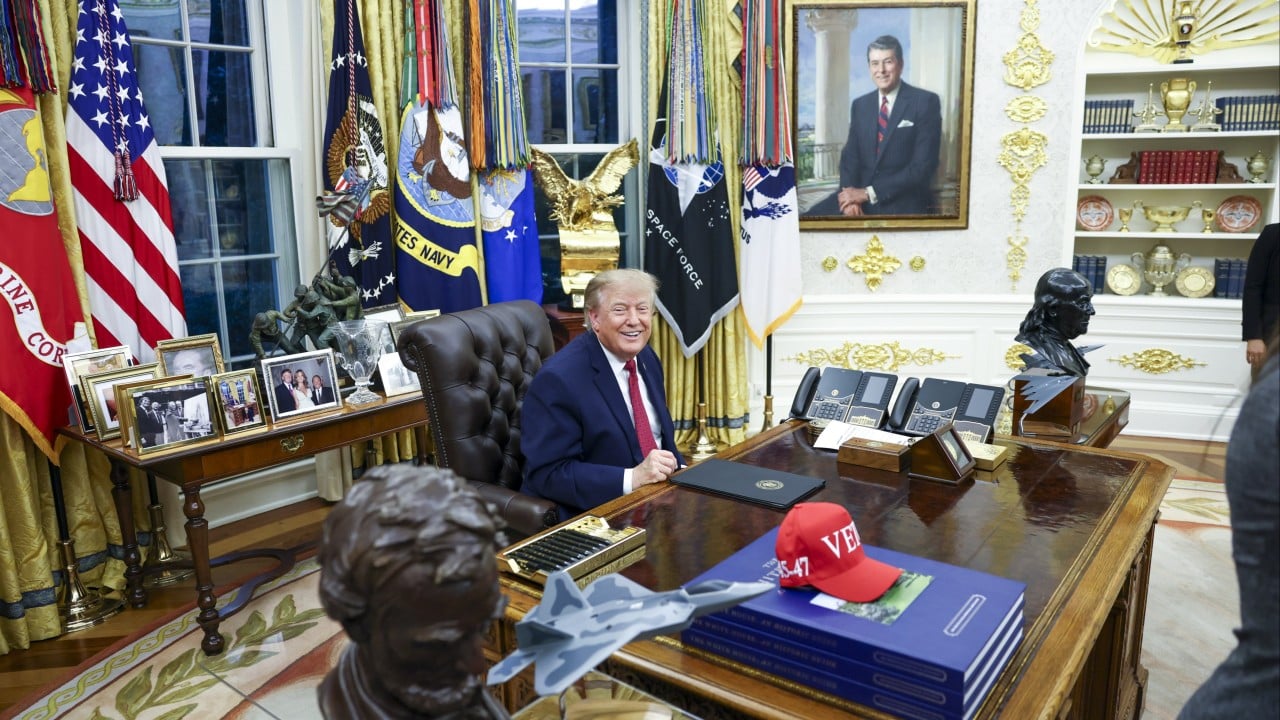
Elections have consequences, usually causing politicians to recalibrate, pivot, or at least acknowledge the voters. Trump handled his midterm setback by completely ignoring the new congressional math. Instead of addressing the legislative gridlock headed his way, he walked reporters through ongoing White House construction projects, showed off a red baseball cap embroidered with the word "veto", and slapped a national monument label on the West Wing.
Critics were quick to point out the thick layer of irony. This is the exact same administration that tore down the entire East Wing to clear space for a massive new White House ballroom and pushed forward plans for a controversial triumphal arch near Arlington National Cemetery. Watching someone bulldoze parts of the executive complex while simultaneously declaring other rooms too sacred to touch is peak Washington theater.
Trump claimed during his announcement that he wanted future leaders blocked from destroying history. "It will not be allowed to be touched by anybody, destroyed, ripped down by stupid people, in order to build something in a slightly different shape," he told reporters.
Can a President Actually Do This?
Constitutional scholars and legal experts are already tearing the proclamation apart, and for good reason. The Antiquities Act allows presidents to protect historic or scientific lands, but stretching that power to interior office furniture and walls inside the executive mansion is legally shaky at best.
Can a future president just reverse the order? Absolutely. A stroke of a pen by the next occupant of the White House can undo executive actions of this nature. Furthermore, Trump himself has a long history of shrinking or altering national monument boundaries designated by his predecessors, making his newfound reverence for the designation feel entirely hollow.
Legal technicalities aside, the declaration raises practical questions about day-to-day governance. White House offices are working spaces. Presidents constantly update furniture, swap out artwork, and adjust decor to fit their personal working styles. John F. Kennedy, Bill Clinton, and George W. Bush all brought entirely different aesthetics to the West Wing. Locking the room into a pseudo-preserved museum state ignores how the executive branch actually functions.
The Real Estate Obsession
If you have paid attention to Trump’s career spanning decades, this obsession with architectural legacy shouldn't surprise anyone. Long before he entered politics, his entire brand was built on physical structures, gold leaf, and square footage.
During his current term, that fixation has only accelerated inside the executive mansion. Between adding heavy gold wall appliqués to the Oval Office, ripping up the Rose Garden for a Mar-a-Lago-style patio, building a South Lawn helipad, and pursuing his grand architectural additions, Trump views the White House as a personal canvas rather than a public trust.
Declaring the Oval Office a monument is less about historical preservation and more about branding. It stamps his specific iteration of the room into the history books permanently—or at least until the next administration decides to grab a wrench and change the drapes.
When you strip away the press conferences and the theatrical props on the Resolute Desk, this maneuver changes nothing about how power operates in Washington. Congress controls the budget, voters control elections, and no amount of paperwork can stop a future president from redecorating.
Get ready for the legal challenges to pile up, because this administrative stunt is going to spend a lot more time in court than it ever will in actual stone.