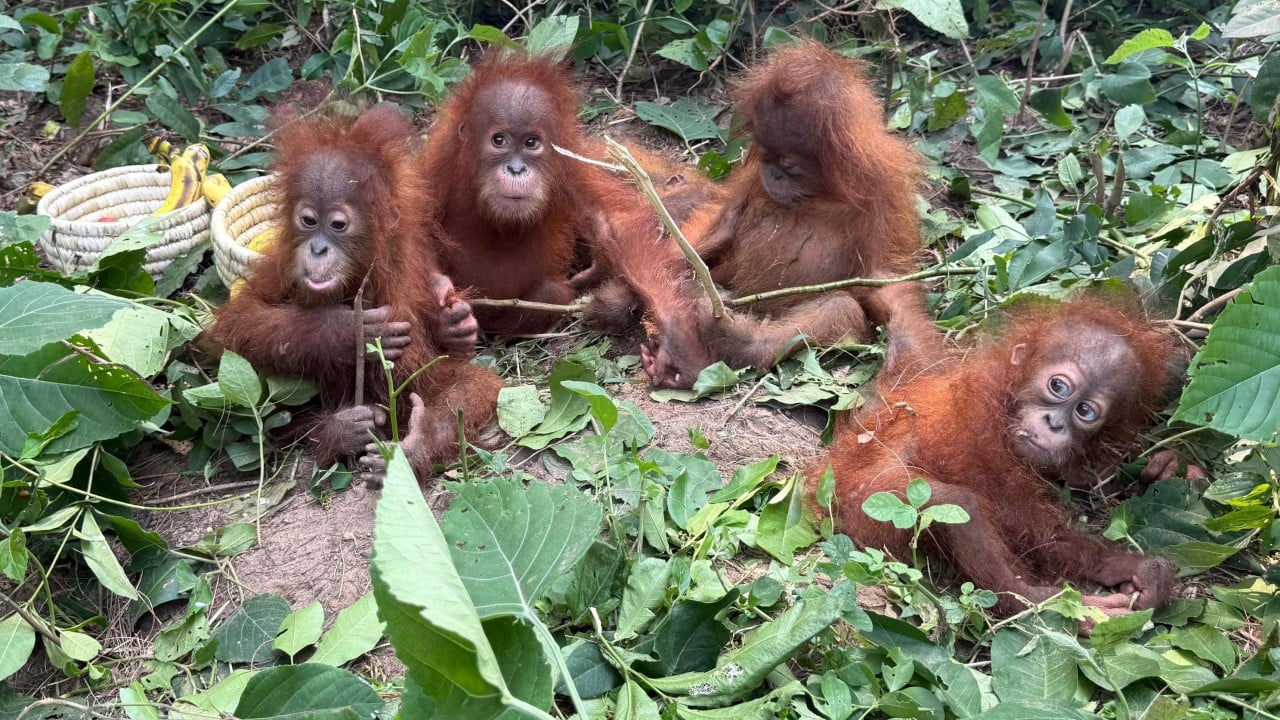
When villagers in Odisha stumbled upon five tiny, reddish-haired primates huddled in a casuarina forest, they had no idea they were looking at animals native to tropical rainforests thousands of miles away. Three males and two females, aged between six and eight months, were abandoned far from their natural habitats in Borneo and Sumatra. This bizarre discovery wasn't a random occurrence. It exposed a booming, lucrative underground economy that treats critically endangered wildlife like consumer electronics.
The illicit trade in exotic pets runs on secrecy, porous borders, and immense wealth. While people often think wildlife trafficking stays local, the pipeline stretches across continents. Smugglers pack infant animals into cramped containers, bypassing customs through corruption or lax oversight. When five baby orangutans turn up abandoned on an Indian plantation, it proves that the demand for rare pets has reached a terrifying scale.
Why the Exotic Pet Market is Growing
People want status symbols. That's the ugly truth driving this multi-billion-dollar enterprise. Social media algorithms reward shock value, pushing influencers and private collectors to display illegal animals as luxury accessories.
The numbers are staggering. Reports estimate India's domestic exotic pet market alone has grown into a multi-million-dollar sector. Buyers shell out thousands of dollars for primates, exotic cats, and rare reptiles. They don't care about conservation. They want a unique photo.
Traffickers exploit regulatory blind spots. National laws often fail to catch transnational networks because enforcement agencies lack resources or training to track specialized smuggling routes. When animals are moved across multiple countries, tracking paperwork gets falsified, and border officials miss the signs.
The Brutal Reality Behind the Cute Videos
You've probably seen viral clips of baby monkeys or apes wearing clothes or drinking from bottles. What those videos hide is pure violence.
To capture an infant orangutan, poachers almost always have to kill the mother. Orangutan mothers are fiercely protective; they won't let go of their babies unless they are dead. Every single infant in the illegal pet trade represents a murdered mother and a shattered family group in the wild.
The trauma doesn't end in the forest. During transit, smugglers drug the animals or hide them in luggage. Many die from stress, dehydration, or respiratory infections before they ever reach a buyer. The ones that survive end up isolated in unnatural environments, fed improper diets, and deprived of the social learning they need to survive.
Fixing a Broken System
Catching couriers isn't enough. If enforcement agencies only arrest the low-level mules who drop off abandoned animals, the masterminds behind the syndicates will keep operating.
Governments need to crack down on online platforms where exotic animals are openly marketed. Social media companies must face severe penalties if they fail to moderate illegal wildlife sales. At the same time, customs checks require better technology and specialized wildlife detection units at major transit hubs.
Public awareness matters just as much. Buying an exotic pet isn't a quirky hobby. It's funding organized crime and pushing fragile species closer to extinction.
Protecting wildlife requires aggressive enforcement and a zero-tolerance attitude toward private ownership of endangered species. Stop looking at exotic animals as novelties. Leave them in the wild where they belong.
Five baby orangutans found abandoned: The brutal reality of smuggling
This short video highlights how baby orangutans are smuggled and the brutal reality of the global illegal wildlife trade.