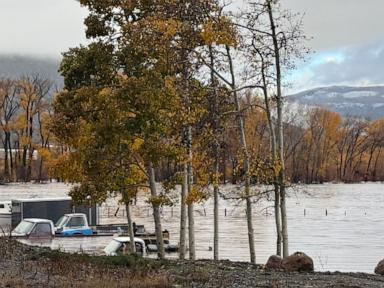
Water does strange things to dry earth. When heavy rains slam the American Southwest, the ground doesn't absorb the moisture. It rejects it.
Recent torrential downpours triggered emergency evacuations across Arizona and Colorado, turning arid washes into raging torrents within minutes. If you've never witnessed a desert flash flood, the speed is what terrifies you. One minute you're looking at a dry creek bed. The next, a wall of mud, debris, and brown water is tearing through everything in its path.
Meteorologists warned that already saturated soil across the region left zero margin for error. Storm systems slammed into the Four Corners area, dropping months of typical rain in a matter of hours. Highways closed. Communities scrambled. Emergency crews deployed swift-water rescues for drivers who misjudged low-water crossings.
The Physics Behind Desert Flash Floods
Why do desert storms turn deadly so fast? It comes down to soil composition.
Years of baking sun create a crusty, hydrophobic layer called caliche or simply baked clay. When intense rainfall arrives, water can't sink in. Instead, runoff aggregates instantly into local arroyos and canyons.
- Hydrophobic Soil: Dry earth acts like concrete during sudden cloudbursts.
- Topography: Steep canyons and mountainous terrain funnel millions of gallons into narrow bottlenecks.
- Burn Scars: Recent wildfire zones lack vegetation, turning hillsides into mudslide factories.
When you combine these factors with slow-moving weather fronts, you get catastrophic flooding miles away from where the actual rain is falling. You can stand under clear blue skies in Arizona and still get swept away by a wall of water originating from a storm twenty miles up in the mountains.
Evacuations and Emergency Responses
Local authorities didn't wait for disaster to strike this time. Mandatory and voluntary evacuations were issued across low-lying zones in both states. Emergency management agencies leaned heavily on mobile emergency alerts, pushing warnings directly to cell phones in English and Spanish.
Rescuers in helicopters pulled stranded residents and campers from rooftops and flooded RV parks. In mountainous sectors of Colorado, rockslides blocked vital mountain passes, stranding motorists and forcing county road crews to work overnight shifts in blinding rain.
Honestly, people still underestimate these events. They see a foot of water moving across a blacktop road and think their four-wheel-drive vehicle can handle it. It cannot. It takes as little as six inches of moving water to knock an adult off their feet, and two feet will carry away most trucks and SUVs.
How to Stay Safe When the Skies Open Up
If you live in or are visiting the Southwest during an active weather pattern, survival comes down to respecting basic rules that locals know by heart.
- Never drive around barricades. Road closure signs aren't suggestions. They're literal life-savers.
- Move to higher ground immediately. If you're near a wash, arroyo, or canyon floor during heavy rain, get out before the water arrives.
- Ignore clear skies overhead. Flash floods happen downstream from storms you can't even see.
- Keep emergency supplies ready. Keep your fuel tank above half and have an evacuation bag packed if you live in a flood-prone canyon.
The climate in the Southwest is shifting toward extreme volatility. Weeks of intense drought are broken by violent, concentrated downpours. Understanding how these systems operate is the only way to avoid becoming a statistic. Pay attention to National Weather Service warnings, stay off the roads when flash flood watches turn into warnings, and never assume the desert will protect you from water.


