Panic is a heavy word. But walk through the crowded neighborhoods of India's capital right now and you will feel it in the air.
People are terrified of losing their voice.
An aggressive electoral roll cleanup is currently sweeping through Delhi. Election officials call it routine administration. Millions of ordinary residents call it a silent disenfranchisement. Reports indicate that up to half of the voters in certain assembly segments face the threat of getting struck off the rolls.
If you aren't paying attention to Indian politics, you might write this off as standard bureaucratic housekeeping. That is a massive mistake. When a process threatens to erase millions of urban poor, migrant workers, and long-term tenants from voting registers, democracy itself is on trial.
Let's look at what is actually happening on the ground and why this administrative exercise carries explosive political consequences.
The mechanics of the purge
Electoral rolls are supposed to be living documents. They get updated constantly. Names are added when people turn eighteen. Names are removed when citizens pass away or relocate.
Transparency is the baseline requirement.
Instead, what residents of Delhi are experiencing feels like an ambush. Booth-level officers are tasked with verifying voter credentials house-to-house. But urban mobility in a megacity like Delhi is notoriously chaotic. People move frequently for rent, jobs change, and informal settlements shift overnight.
If an official knocks on a locked door three times and gets no answer, your name goes onto a targeted exclusion list.
No flashy warning. No certified mail. Just a red flag next to your identity.
Migrant workers from states like Bihar and Uttar Pradesh who rent small rooms in industrial clusters like Okhla or Mundka are the hardest hit. They maintain roots in their home villages while working grueling hours in the capital. Proving continuous residency under rigid administrative frameworks becomes nearly impossible when your landlord refuses to sign official verification papers for fear of drawing tax or municipal scrutiny.
Why the numbers spark outrage
Let's look at the sheer scale of the threat. Local administrative reports highlight that hundreds of thousands of names have already faced scrutiny or outright deletion notices in specific zones.
Opposition parties are crying foul. They argue that this massive vetting drive is politically motivated. The logic is simple. If you shrink the voter base in working-class neighborhoods known to lean away from the ruling establishment, you alter election outcomes before a single ballot is cast.
Election watchdogs and civil society groups point out glaring procedural flaws.
- Short deadlines: Citizens are given impossibly tight windows to produce legacy documentation.
- Digital hurdles: Portals crash or require technical literacy that daily-wage earners simply do not possess.
- Absenteeism: Notices are often pasted on walls instead of being handed directly to residents.
When you combine tight timelines with bureaucratic friction, the results tilt toward mass exclusion.
The human cost of bureaucratic erasure
Imagine living in the same city for twenty years. You pay your taxes, buy your groceries from the local market, and queue up at the electronic voting machine every election cycle.
Then, an official document tells you that you don't exist anymore.
This isn't an abstract legal debate. It is a profound psychological blow. For marginalized communities, the voter ID card is often the only concrete proof of citizenship and social dignity they possess. Losing it means losing access to welfare benefits, housing protections, and basic political agency.
Activists across the capital are organizing makeshift help desks. They spend hours teaching people how to navigate appeal procedures. But the sheer volume of contested names overwhelms volunteer capacity.
The Election Commission insists these measures protect electoral integrity against duplicate and fake registrations. Fair point. Clean rolls matter. But protecting integrity shouldn't mean locking half a city out of the ballot box.
What happens next
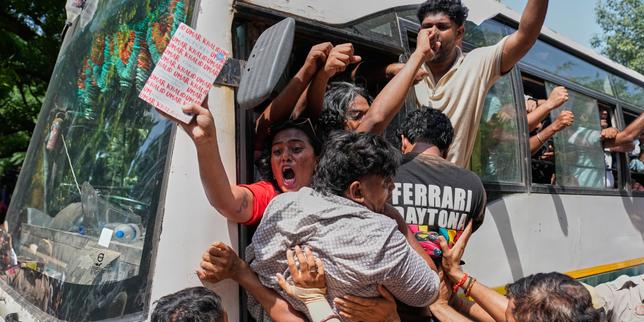
The legal and political battles are only beginning. High court petitions are piling up. Opposition leaders are threatening street protests if the purification drives don't pause for a thorough audit.
If you're watching Indian democracy from the outside, keep your eyes on Delhi. This urban purging model won't stay confined to the capital. It serves as a testing ground for nationwide electoral restructuring.
Check your registration status today. Do not assume your name is safe just because you voted last year. Log onto the official National Voters' Service Portal, search your credentials, and verify your booth status immediately. Democracy relies on participation, but right now, it requires active defense.