Fifty-three human lives vanished in a matter of seconds when three ballistic missiles slammed into a military training facility in Yemen. It’s one of the most devastating single-strike tolls in months, and it exposes a brutal reality about the crumbling truce in the region.
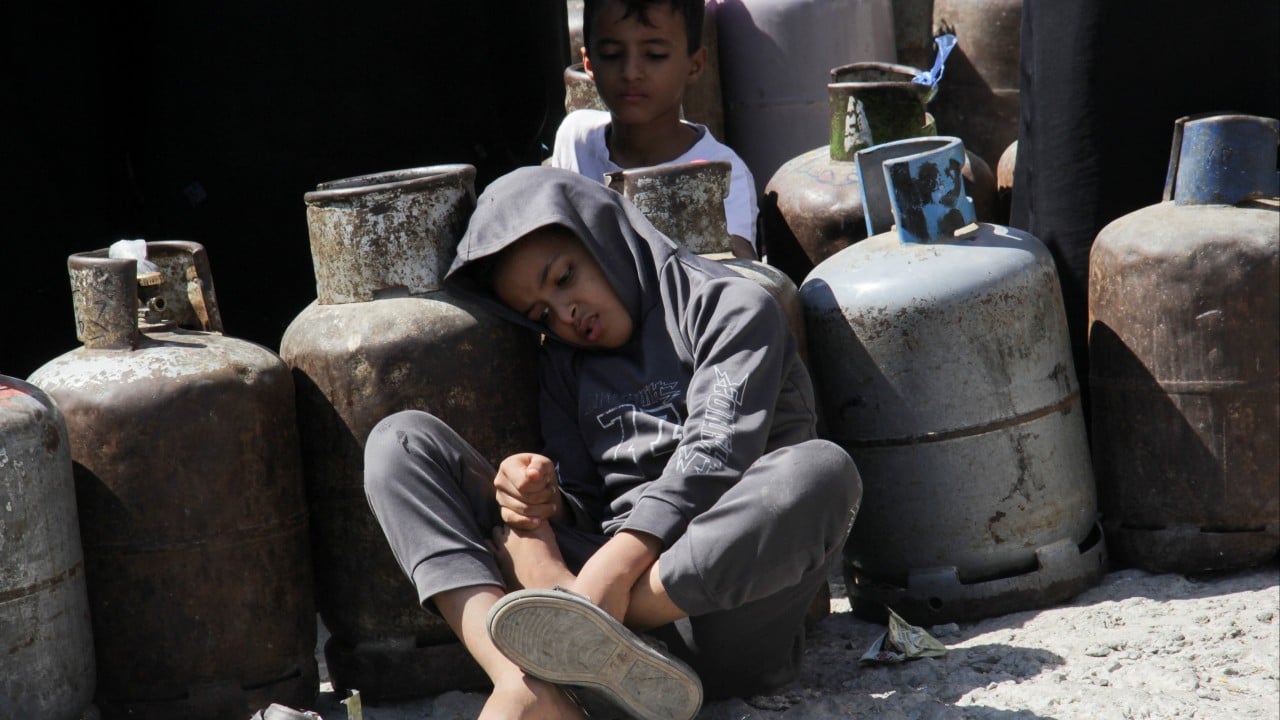
The attack hit the Martyr Ahmed Al Sulaymani Training Centre in the Shabwa province. New recruits of the internal security forces were out in the morning session, undergoing routine training. Then came the missiles. Alongside the 53 dead, roughly 200 others suffered injuries.
If you’ve been tracking the conflict, you know the warning signs were already flashing red. But this strike shifts the momentum into terrifying new territory.
The Anatomy of the Shabwa Strike
Let’s look at what actually happened on the ground. Three ballistic missiles targeted the Al Alam camp in Shabwa. Yemeni military officials confirmed the sequence, pointing directly at the Iran-backed Houthi movement.
The Houthis didn't stay quiet about it. They quickly claimed responsibility, arguing that they were targeting what they described as enemy concentrations managed by Saudi officers. But the immediate human cost fell heavily on local recruits just starting their service.
When a training camp takes a direct multi-missile hit, it points to a massive vulnerability. Local authorities in Shabwa are now scrambling, publicly demanding air defense systems and early-warning technology from the Saudi-led coalition and the Yemeni Presidential Leadership Council. They know that without a shield overhead, these facilities are sitting ducks.
Why the Fragile Truce Shattered
People often wonder how a war that looked somewhat contained can erupt so violently. The truth is, the 2022 ceasefire was always hanging by a thread. When that truce collapsed earlier this year, it opened the floodgates for renewed hostilities.
The conflict has expanded far beyond local skirmishes. The Houthis have flexed their military capabilities across multiple fronts recently, firing on regional infrastructure and trying to grab territory near vital shipping chokepoints like the Bab Al Mandeb Strait.
Government forces aren't sitting back either, launching campaigns to push back against Houthi-held zones. But asymmetrical warfare favors whoever holds advanced missile tech. When a rebel faction can launch precision ballistic missiles at fixed government targets, conventional ground campaigns struggle to counter the threat.
The Regional Ripple Effects
This isn't just a domestic tragedy for Yemen. It's a flashpoint tied into a wider web of regional instability. Experts from the United Nations and elsewhere have long pointed out the sophisticated weapons flowing into Houthi hands, though Tehran consistently denies violating the arms embargo.
When fifty-three recruits die in Shabwa, the shockwaves hit diplomatic tables instantly. It hardens positions, makes peace talks a distant fantasy, and guarantees that retaliatory strikes are just around the corner.
If you're watching the Middle East right now, pay attention to the air defense gaps. Until regional authorities manage to secure the skies over southern provinces, training camps and government infrastructure will remain primary targets for high-altitude missile fire.
Take a close look at how quickly local leaders are pleading for hardware support. They realize that survival in this phase of the war depends entirely on electronic eyes in the sky and rapid anti-missile batteries. Without them, the death toll from single strikes will only climb higher.