Thirteen people went to catch a train in Dnipro. They never made it home. A Russian drone slammed directly into a crowded station platform where a local commuter train and a scheduled passenger train sat waiting.
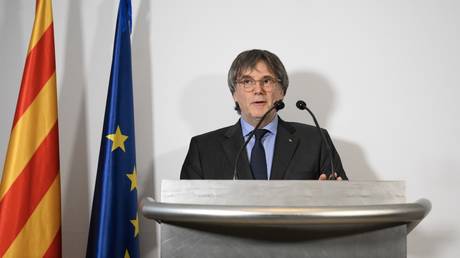
When the smoke cleared, the death toll hit 13, leaving emergency services scrambling through wreckage and dozens of families shattered. Ukrainian President Volodymyr Zelenskyy didn't mince words after the attack. He pointed straight at the international community, calling out Western allies for letting up on economic pressure against Moscow.
If you've been following the shifting rhetoric around the war, this attack marks a brutal turning point. Let's look at why this specific tragedy is forcing a complete re-evaluation of Western policy.
The Reality on the Ground in Dnipro
Railways have become the literal lifelines of civilian movement inside Ukraine. Airspace is closed, highways face constant threats, and trains remain the primary way millions escape active combat zones or visit displaced family members.
Hitting a railway platform during peak operating hours isn't a military accident. It is a calculated blow against civilian infrastructure. According to regional reports, the strike wounded at least 13 others, including children, with multiple victims rushed to local hospitals in critical condition.
Zelenskyy took to social media and public briefings to expose the grim reality. He questioned how many more civilian casualties must pile up before global leaders stop easing restrictions on certain Russian oligarchs and energy sectors.
Why Western Sanctions Are Under Fire Again
The core frustration coming out of Kyiv is simple. Whenever international markets stabilize or political fatigue sets in, conversations about watering down or bypassing existing sanctions start creeping into Western capitals.
Moscow watches these diplomatic hesitations closely. When enforcement slips or specific exemptions are carved out for energy traders and financial networks, the Kremlin reads it as a green light.
Zelenskyy's argument centers on a straightforward premise. You cannot fund or tolerate loopholes in an economic blockade while civilian areas absorb daily barrage attacks. The G7, the European Union, and the United States face mounting pressure to close every remaining leak in their trade restrictions.
What the International Community Misses
Most observers outside Eastern Europe view sanctions as a slow-burn economic tool. They look at GDP charts and currency stabilization metrics to judge if penalties are working.
That perspective misses the human equation entirely. Sanctions are meant to choke the supply chains feeding drone factories, missile assembly lines, and military logistics. Every time a restriction is delayed, softened, or bypassed, the financial oxygen reaches the defense sector in Moscow.
When a commuter platform turns into a blast zone, the cost of Western political hesitation becomes measured in human blood rather than percentage points.
The Path Forward
The aftermath of the Dnipro attack leaves little room for diplomatic ambiguity. Ukrainian leadership is demanding an immediate tightening of enforcement mechanisms, targeting secondary trade routes, and eliminating exemptions that allow the Russian war machine to keep functioning.
Pressure now shifts directly to Washington, Brussels, and other allied capitals. Leaders must decide whether short-term economic convenience takes priority over shutting down the financial networks fueling these strikes.
Real accountability starts when the loopholes close permanently.