When you walk into a food bank, your mind is on survival. You are thinking about milk, bread, and basic protein to keep your family going through the week. Reading is usually the absolute last thing on your radar.
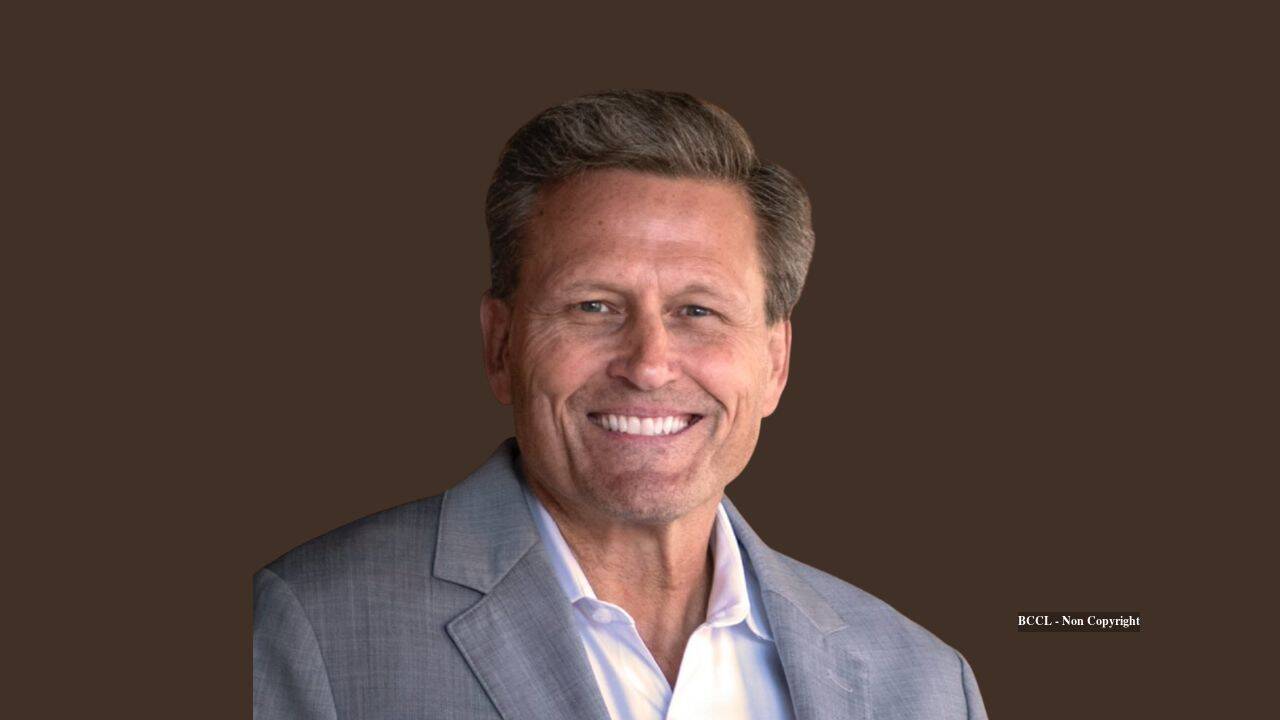
Bestselling thriller writer David Baldacci looked at that exact moment and saw a missing piece.
He realized that nourishing the physical body is only half the battle. If you want to break cycles of poverty, you have to feed the mind, too. That simple insight turned standard food distribution hubs into places where families could pick up a paperback right alongside their groceries.
Through the Feeding Body and Mind initiative, Baldacci and his wife, Michelle, changed how community aid works. Their Wish You Well Foundation partnered with Feeding America back in 2008 to bridge a gap most people never think about. Today, the programme has collected and distributed over one million books to families who might otherwise never own a new story.
Let's look at why this matters and how it works in the real world.
The Intersection of Hunger and Literacy
We tend to keep our social problems in neat little boxes. Food insecurity belongs to one department, while education and literacy belong to another. But poverty doesn't care about bureaucratic categories. They bleed into each other every single day.
If a child grows up in a home with zero books, their vocabulary suffers before they even step foot inside a kindergarten classroom. That isn't a lack of intelligence; it's a lack of access.
When families are struggling to pay rent and afford dinner, buying books feels like an impossible luxury. A brand-new hardcover costs twenty bucks. That money buys groceries instead.
Baldacci understood that libraries aren't always accessible to everyone, especially working parents without reliable transportation or flexible hours. By sneaking books into local food banks, the initiative brings the library directly to the people. You don't need a library card or a clean record. You just grab a book off the shelf while picking up your weekly rations.
How a Novelist Got Involved
Most authors write their stories, cash their royalties, and stay entirely inside the publishing bubble. Baldacci took a different route.
Long before this million-book milestone, he and his wife established the Wish You Well Foundation to support adult and family literacy across the United States. He noticed early on during his book tours that fans actually wanted to help, but they didn't always know how.
So he started asking them.
At his public appearances, Baldacci encouraged attendees to bring new or gently used books and drop them into designated collection boxes. The response caught everyone off guard. In just the first three months, supporters filled boxes with thirty-five thousand books.
It proved a vital point. People want to contribute when you give them a clear, frictionless way to do it. Those initial collection boxes eventually scaled into a nationwide logistical pipeline feeding into the massive Feeding America network.
What Real Impact Looks Like
Let's be honest about what a donated book can and cannot do. A paperback thriller or a children's picture book won't pay your electricity bill. It won't cure malnutrition.
But downplay its psychological power at your own risk.
For a kid living through tough financial times, owning a book that nobody else has to borrow or return feels huge. It provides an anchor. It invites parents to sit down and read aloud at night, turning a stressful evening into a moment of human connection.
For adults, having accessible reading material builds confidence. Many community programs use these resources to help adults brush up on reading skills, opening doors to better jobs and stable futures.
Food banks adapted quickly because they saw the relief on parents' faces. Being able to hand a child a brand-new story restores a little bit of dignity in a moment that can otherwise feel pretty defeating.
Why This Model Works So Well
Charity often fails because it adds friction. If you make people jump through hoops, fill out applications, or travel across town just to get a book, participation plummets.
Feeding Body and Mind succeeded because it piggybacked on existing infrastructure. Food banks already have the foot traffic. They already have the trust of the community. Adding a few bookshelves or a table of donated titles costs next to nothing compared to building a brand-new community center from scratch.
It is efficient. It takes an existing distribution channel and upgrades its utility without breaking the budget.
Charities and non-profits should pay close attention to this playbook. Stop building brand-new silos. Find existing hubs where people already gather out of necessity, and integrate complementary resources right into their path.
Take Action Locally
You don't need a national foundation or a bestselling book contract to make a dent in this problem.
Go look at your own bookshelves right now. Pull out the clean, readable books you are never going to open again. Look up your local food pantry or community kitchen and ask if they accept book donations.
Most of them will jump at the chance. You might just hand a kid their favorite story of the year.