The artificial intelligence boom has a dirty secret, and it isn't hidden in algorithms or model weights. It lives in concrete buildings crammed with servers that are sucking local power grids dry.
According to a fresh report from the International Energy Agency, global electricity consumption by data centers is on track to double by 2030, hitting roughly 945 to 1,000 terawatt-hours annually. To put that in perspective, a single major AI data facility pulls as much juice as 100,000 homes. The largest complexes currently under construction dwarf that number by a factor of twenty.
If you think local utilities are ready for this transition, look closer at the infrastructure maps. They aren't.
The Real Bottleneck Is Transmission, Not Generation
Most tech headlines focus on whether we can build enough power plants to keep up with server clusters. That misses the physical reality of grid engineering.
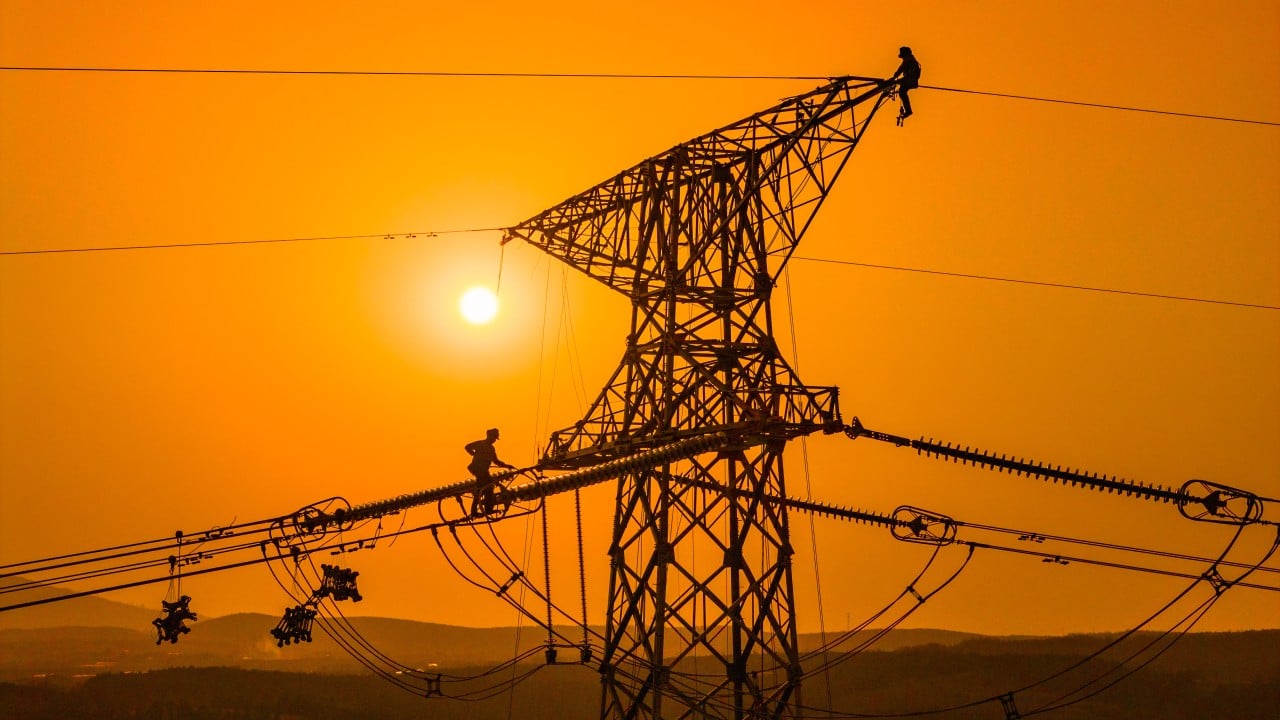
Building power generation takes time, but stringing high-voltage transmission lines through populated regions takes miracles. In tech hubs across Virginia, Texas, and parts of Europe, the queue of data centers waiting for grid connection already exceeds total local peak demand.
Operators aren't waiting patiently. In the United States alone, data center developers have floated plans for roughly 180 gigawatts of new gas-fired power plants. That single figure equals the entire installed natural gas capacity of the European Union.
Local pushback is turning fierce. Communities are tired of bearing the brunt of industrial noise, water usage, and strained municipal services without seeing direct benefits on their power bills. Voters in multiple Ohio towns recently passed local bans or severe restrictions on new data center builds, signaling a growing populist resistance against tech expansion.
Regional Divides in Power Sourcing
How these facilities get powered depends entirely on geography. The energy mix varies wildly by region, creating entirely different logistical nightmares for operators.
- United States: Natural gas dominates the pipeline, projected to supply around 60% of new data center demand as operators scramble for firm, reliable baseload power.
- China: Coal remains the primary fuel source, powering roughly half of the massive digital infrastructure expansion across the region.
- European Union: Renewables take the crown, expected to supply about 70% of data center electricity needs, backed heavily by nuclear and wind integration.
Relying on fossil fuels to run clean-computing algorithms creates an environmental contradiction. The IEA warns that global data center carbon emissions could jump by 70% before the decade ends if grid decarbonization fails to keep pace with server deployment.
How Tech Giants Are Trying to Fix It
Big tech companies are the largest corporate buyers of renewable energy on earth, but corporate power purchase agreements don't solve local physics. When a massive server farm plugs into a regional grid that relies on coal or gas peaker plants, the immediate environmental impact is real.
Some operators are bypassing traditional utilities altogether. Nuclear power deals are back in style, with major technology firms investing directly in restarting mothballed atomic plants or funding early-stage development of small modular reactors. Yet, nuclear projects operate on timelines measured in decades, while generative AI infrastructure scales in months.
Grid operators are also scrambling to incentivize developers to build facilities in remote areas where transmission capacity actually exists. Unfortunately, 50% of current U.S. data center developments are crammed into pre-existing clusters, multiplying local grid strain.
What Happens Next
The collision between digital ambition and physical energy limits is no longer theoretical. Power prices in heavy data center regions are creeping upward, and grid stability is becoming a top-tier political issue.
Companies building out tomorrow's compute infrastructure must pivot from treating power as an unlimited utility to treating it as a scarce, strategic resource. If the grid buckles, the AI revolution hits a hard physical wall. Energy access will dictate who wins the next era of technology, not just software supremacy.