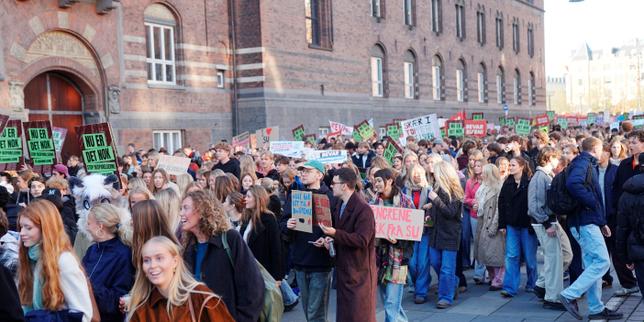
Tens of thousands of teenagers and young adults just walked out of classrooms across Denmark, heading straight for the steps of Christiansborg in Copenhagen. They aren't skipping school for a lark. They're furious about proposed state budget cuts that target student grants and graduate unemployment benefits, drawing a sharp line in the sand over what the Scandinavian welfare model is actually supposed to stand for.
When a country famous for cradle-to-grave social support starts trimming educational allowances, you know the fiscal pressure cooker is reaching its boiling point. Let's break down what's actually happening on the ground, why politicians are defending the move, and what this unrest means for the future of Nordic social policy.
The Core Grievance: What’s Changing in the Danish Budget?
At the center of the storm is the government's latest financial proposal. Under the plan, state student grants (known locally as the SU) face structural restrictions. For students living with their parents, grants would become progressive or get eliminated entirely if household income lands between roughly 55,500 and 94,000 euros a year, or above certain thresholds. Ministry estimates suggest around 14,000 students could lose their allowances completely, while another 8,000 would see their payments shrunk.
At the same time, the rules for recent university graduates are tightening up. Unemployment benefits for fresh grads would only kick in if you've actually worked during 18 of the last 24 months of your studies. For students trying to balance heavy academic workloads with surviving in pricey cities like Copenhagen or Aarhus, hitting those employment quotas isn't just a hurdle—it's a massive stress test.
Student organizations like DGS coordinated walkouts across dozens of high schools and universities, marching under clear banners demanding that politicians keep their hands off youth welfare. As one organizer put it, cutting support for studying youth while insulating other budget items feels like turning your back on the next generation.
Why the Government Is Pushing Back
Politicians defending the measure aren't pretending it's popular. Ministers in the coalition government have admitted it's a bitter pill. Pia Olsen Dyhr, heading the Socialist People's Party, made it clear that while the policy didn't originate from her immediate camp, coalition compromises demand shared accountability.
Industry Minister Martin Lidegaard went even further, describing the cuts as unpleasant but economically necessary. Behind closed doors, policymakers are wrestling with shifting macroeconomic realities, rising defense pressures, and long-term demographic costs. They argue that targeting parental income brackets makes the system more means-tested and focused on those truly in need.
Critics, however, argue that means-testing student independence tears at the social contract. In Denmark, the SU was historically designed to give every young person financial autonomy from their parents, regardless of family wealth. Tying a student's survival stipend to mom and dad's salary changes the entire philosophy of higher education.
The Broader European Wave
What's happening in Denmark doesn't exist in a vacuum. Similar student-led mobilizations and walkouts have rippled through other European nations, fueled by a mix of inflation, housing crunches, and shifting state priorities toward defense and security. When governments start reallocating public funds away from social cushions, young people are usually the first to feel the squeeze.
The protests in Copenhagen exposed a widening generation gap. Older political leaders talk about structural balance sheets and responsible fiscal management. Students on the streets talk about rent, groceries, and the basic right to study without drowning in debt or relying entirely on parental handouts.
Whether these mass walkouts will force the government to water down its proposal remains to be seen. But one thing is certain: the myth that the Nordic model is immune to political conflict and youth backlash is officially dead.
Take a close look at how these budget battles play out over the coming months. If Denmark can't keep its youth welfare compact intact, it signals a tough road ahead for social safety nets across the rest of Europe.