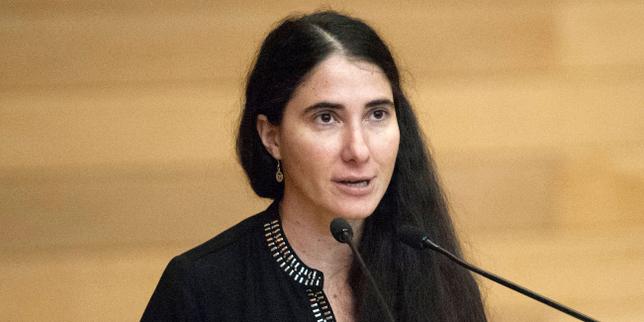
Independent journalism in Cuba just took another sharp hit. Yoani Sanchez, the prominent blogger and founder of the digital media outlet 14ymedio, was detained in Havana before being released a few hours later.
If you follow Cuban politics, this script feels painfully familiar. The state security apparatus picks up a high-profile voice, international condemnation rolls in, and a brief release follows. But looking only at Sanchez misses the larger picture of what is happening on the island right now.
The Reality Behind the Arrests
The detention of Sanchez wasn't an isolated incident. It arrived amid a broader wave of targeted pressure against independent reporters and dissidents in the country. Figures like Camila Acosta and Adelth Bonne have also faced recent crackdowns, while other independent voices remain behind bars.
When state police intercept a journalist near the Ministry of Agriculture—confiscating gear like laptops, phones, and recording equipment—it sends a loud message. The government wants total control over the narrative, especially as economic pressures mount across the island. Independent outlets operating outside the state-run press system are treated as an existential threat.
Why the State Keeps Pressuring 14ymedio
Founded over a decade ago, 14ymedio managed to carve out a digital space that bypasses traditional state censorship. Because Cuba lacks legal recognition for independent private media covering general and political news, platforms like Sanchez's operate in a constant legal gray zone.
The authorities frequently rely on restrictive regulations, such as Decree-Law 370, which penalize independent online publications. For years, the strategy has gone beyond simple jail time. It involves harassment, short-term arbitrary detentions, surveillance, and equipment confiscation designed to exhaust reporters financially and psychologically.
What Happens Next for Press Freedom in Cuba
Sanchez announced her release on social media, thanking those who amplified news of her detention and noting that public solidarity helps force open the cell doors. Yet, quick releases do not mean normal conditions. Every temporary arrest acts as a psychological deterrent for other emerging independent writers who might want to document the country's daily realities.
The pressure on independent reporting inside Cuba isn't stopping anytime soon. As long as economic hardship persists and citizens demand independent information, the state will keep using short-term detentions to silence dissent.