Your Thanksgiving cranberry sauce might survive this November, yet the vines behind it are taking a beating.
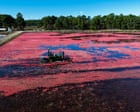
When people picture a cranberry harvest, they usually imagine bright red berries growing inside a lake. Not quite. Cranberries grow on low woody vines rooted in layered sand, peat, and acidic soil—flooding happens mainly at harvest to float the ripe, air-pocketed berries to the surface for easy collection. Because these perennial vines sit in shallow marshes and low-lying valleys, microclimates swing hard. A cold pocket can drop below freezing while a nearby ridge stays mild, and a scorching afternoon can cook exposed fruit right on the vine. Building on this topic, you can find more in: What Missile Launcher Rollouts Actually Mean In A Clash With The Us.
I've spent plenty of time looking at agricultural weather records and talking with growers and researchers across major production regions, and honestly, the stress on cranberry farming isn't just about one bad storm. It's a slow-motion collision of winter thaw-freeze whiplash, summer heat spikes, heavy downpours, tight profit margins, and shifting pollination schedules. You don't have to guess whether things are changing—you can see it in how growers manage water, ice, and timing every single week.
How Warming Winters Mess With Cranberry Vines
Cranberries aren't tropical crops, and they aren't indifferent to winter either. They need enough winter chill—temperatures generally between 32°F and 45°F—to break dormancy properly and set healthy buds for the next season. When winters warm up unevenly, the calendar gets messy. Analysts at NPR have shared their thoughts on this trend.
According to University of Wisconsin–Madison fruit research and reporting from Climate Central, winter temperatures in upper Midwest growing areas have warmed sharply over recent decades, bringing more warm winter days and mid-winter thaws. That matters in two ways. First, warm spells can melt protective ice sheets early or push buds toward activity too soon. Second, when a sudden cold snap hits bare vines or weakened ice cover, frost damage can injure buds and wood before spring even starts.
Growers already rely on overhead water spraying to build a protective ice blanket over dormant vines during freezing cold. Sounds simple on paper. In practice, it takes constant monitoring, pumping capacity, and cold enough air to freeze cleanly without leaving vulnerable spots. If a February thaw softens or strips that cover and March brings a hard freeze, a grower's winter work can unravel fast.
Here's a detail many casual observers miss: winter ice isn't only for frost protection. Growers also use frozen bog surfaces in winter to drive specialized equipment out to spread sand over the vines, which helps rejuvenate growth and keep certain pests in check. Fewer reliable freeze windows shrink that operational window too.
Summer Heat, Heavy Rain, and Pollination Mismatches
Winter gets plenty of attention, yet summer heat and sudden deluges hit cranberries right when yields are taking shape.
In states like Massachusetts and New Jersey, along with Wisconsin, hot spells combined with bright sun can cause cranberry scald—a form of heat and light injury where berry tissue breaks down on the vine. Exposed berries sitting near the top of the canopy or on sparse patches are especially prone to sunscald, and damaged skin opens the door to fungal rot. A single brutal week in midsummer can cut marketable fruit quality before harvest machines ever roll in.
Heavy rain brings its own headaches. Instead of steady, gentle moisture, extreme downpours dump huge amounts of water in short stretches. Research in PLOS Climate on cranberry production in a changing climate highlights how shifting weather patterns affect everything from bog hydrology and disease pressure to day-to-day field operations. Wet, humid conditions boost fungal pathogens and fruit rot, while excess runoff can complicate water storage and drainage.
Then there's pollination. Cranberries depend heavily on bees—both wild pollinators and rented commercial honey bee colonies—to set fruit. Warm springs can nudge plants into blooming earlier, while migratory honey bee routes follow schedules built around historical bloom timing across other crops. If flowers open early and pollinators arrive late (or rainy, windy weather keeps bees grounded), fruit set drops. You can have healthy-looking vines and still end up with a disappointing harvest if pollination timing misses the mark.
Economics and Wetland Restoration Are Reshaping the Map
Climate pressure doesn't hit farms in a vacuum. It lands right on top of tight agricultural economics.
Wisconsin produces roughly three-fifths of the U.S. cranberry crop, far ahead of Massachusetts, Oregon, and New Jersey. Yet across growing regions, growers deal with rising input costs, fluctuating berry prices, and the steep expense of renovating older beds with newer, higher-yielding cultivars. As AP News reporting on cranberry bogs and wetland restoration has documented, many cranberry farmers are aging, fewer younger operators are stepping into physically demanding bog management, and land decisions are getting harder.
That's why wetland restoration has become such an interesting part of the story, especially in Massachusetts. Many commercial cranberry bogs were originally built on natural wetlands decades ago. Today, some growers and conservation groups are restoring retired or lower-performing bogs back into native wetlands, supported by public and conservation funding. It takes years—often closer to seven to ten years for ecological recovery to really show—and brings back native sedges, mosses, amphibians, and birds.
Is turning bogs back into wetlands a cure-all? No. It's a big shift for a family farm, and it isn't right for every parcel, especially where growers want to stay in production or use wetland mitigation programs differently. Still, it shows a practical reality: when climate volatility and farm economics squeeze marginal beds, conservation and wetland restoration offer a real alternative to pavement or neglected land.
What Growers and Researchers Are Doing About It
Let's be clear—farmers aren't sitting around waiting for miracles. Adaptation is happening right now, piece by piece.
- Smarter sensing and irrigation: Growers increasingly use soil moisture sensors, localized weather stations, and automated frost/irrigation alerts to apply water more precisely rather than guessing.
- Breeding and data tools: Plant breeders and university researchers are working to select and develop varieties with better heat tolerance, disease resistance, and yield stability, using modern data and modeling tools to speed up screening.
- Canopy and water management: Keeping vines healthy and balanced helps shade fruit from sunscald, while better water control helps manage both dry spells and sudden rain events.
One honest caveat worth keeping in mind: breeding a perennial woody fruit crop takes time. You can't swap out a bog overnight like a field of annual corn, and weather variability makes field trials noisy. Even the best technology works alongside, not instead of, basic agronomy and water stewardship.
Practical Next Steps You Can Take Right Now
If you care about where your food comes from—or you work in agriculture, food sourcing, or environmental planning—here are concrete steps you can take today:
- Support regional and transparent food sourcing: When buying fresh cranberries, sauce, juice, or dried berries around the holidays, check labels for origin and look for producers who invest in sustainable water and soil practices.
- Track local chill and weather data if you grow crops: Whether you manage a commercial orchard, a berry patch, or a home garden, use local mesonet or extension chill-hour and frost tools rather than relying on calendar dates alone.
- Back wetland and watershed conservation: Support local land trusts, watershed groups, and conservation programs that protect headwaters, floodplains, and wetlands—places that buffer both storms and droughts for everyone downstream.
- Read primary extension and research updates: Follow university fruit extension programs (such as Wisconsin and Massachusetts cranberry research stations) for real field findings rather than sensational headlines about "extinction" or instant fixes.