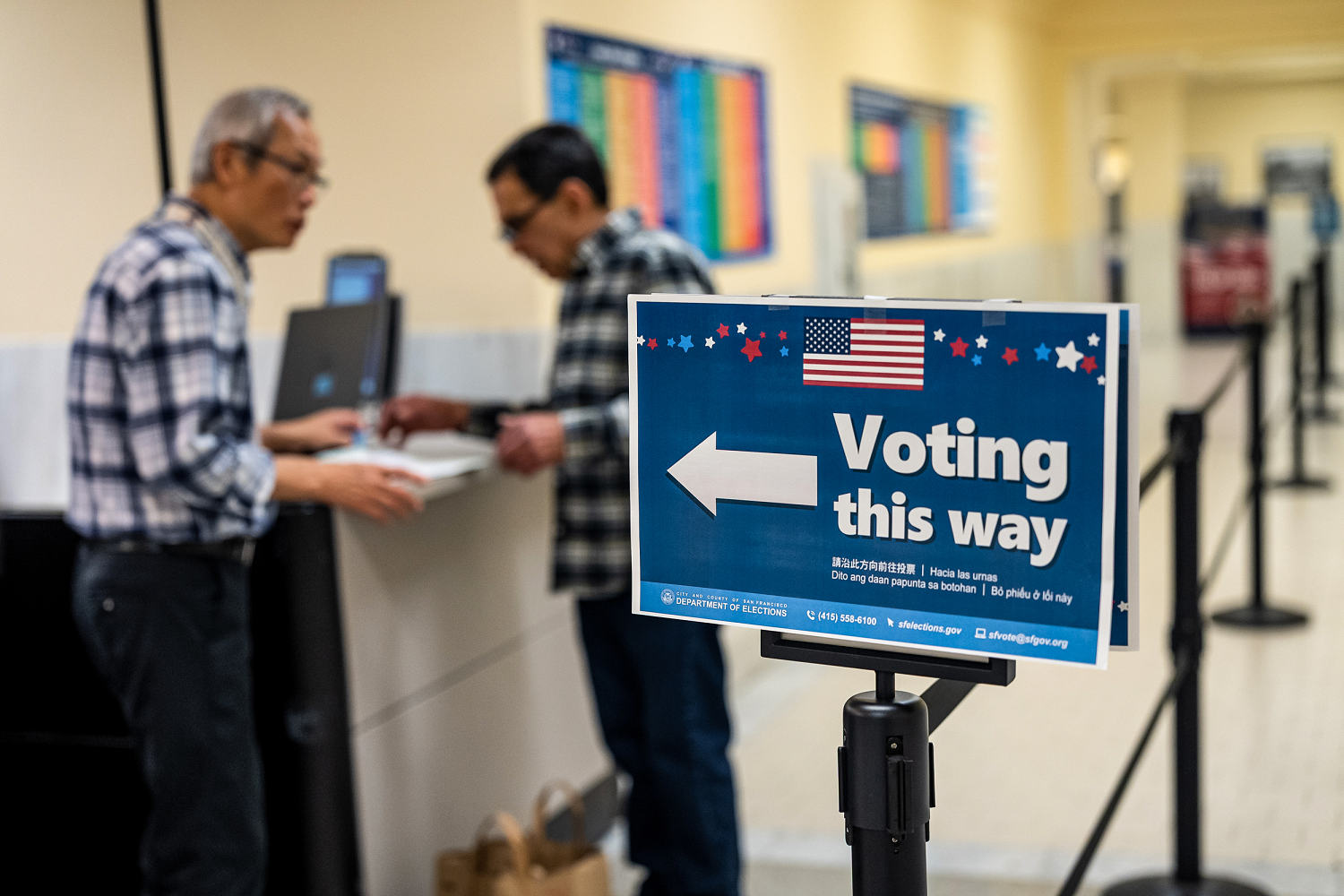
Federal courts are putting up clear roadblocks against executive branch interference in state elections. The 9th Circuit Court of Appeals just handed down a sharp 2-1 decision rejecting the Justice Department's emergency push to force California into segregating roughly 20,000 ballots.
If you are trying to make sense of why these legal battles keep failing, you have to look past the political noise. The core issue isn't just about a list of names. It is about who actually holds the constitutional cards when election season is already underway.
The Anatomy of a Late-Stage Legal Clash
The Trump administration rolled out a lawsuit targeting California election officials right in the middle of active voting. The federal argument was straightforward on paper. They claimed the state failed to properly review a roster of about 20,000 registered individuals allegedly flagged as potential noncitizens.
The Department of Justice wanted those specific mail-in and drop-off votes pulled, quarantined, and barred from the official tally until individual immigration checks could wrap up.
California fought back hard. Local election officials in major hubs like Los Angeles pointed out a massive flaw in the federal list. When they ran random checks on the flagged names, a significant portion of those voters turned out to be U.S. citizens born right here in the country. Throwing those votes into limbo would mean disenfranchising lawful voters just to chase an administrative hunch.
Why the Ninth Circuit Drew a Line
Appeals courts do not like being rushed into overturning local election administration without a rock-solid reason. Writing for the majority, Circuit Judge Gabriel Sanchez noted that the urgent crisis claimed by the federal government was largely a self-inflicted wound. Waiting until ballots are already arriving and being processed before demanding a massive structural change is a recipe for disaster.
The court emphasized a simple constitutional boundary. Under the Elections Clause, federal courts shouldn't easily dictate operational rules to state legislatures on the fly. Doing so invites widespread administrative chaos right when precision matters most.
Judge Mark J. Bennett echoed those sentiments, pointing out that federal law and the Constitution simply do not grant the executive branch the sweeping power to force states into segregating ballots this way.
Of course, the bench wasn't unanimous. Judge Patrick Bumatay issued a sharp dissent, arguing that letting potential noncitizen votes mix with legitimate ones undermines the integrity of the process and that stopping the practice is a necessary baseline. Dissenting voices aside, the majority ruling stands for now, leaving the ballots in the active count.
What Happens Next in the Legal Pipeline
Legal fights like this rarely die quietly at the appellate level. Expect the Justice Department to push this straight to the U.S. Supreme Court. The overarching strategy goes well beyond California. Similar federal actions have popped up in other battleground states where congressional and Senate control hang in the balance.
Yet, time is working against federal intervention. With midterms drawing to a close and millions of votes already locked into the system, reversing course becomes harder by the hour. State election boards are sticking to their established verification timelines, ignoring pressure to overhaul their protocols mid-stream.
Keep an eye on how the high court handles emergency dockets if filings arrive before certification deadlines. For now, the lower rulings highlight a stubborn judicial reality: trying to rewrite election rules after the first votes are cast faces an extraordinarily high legal wall.


