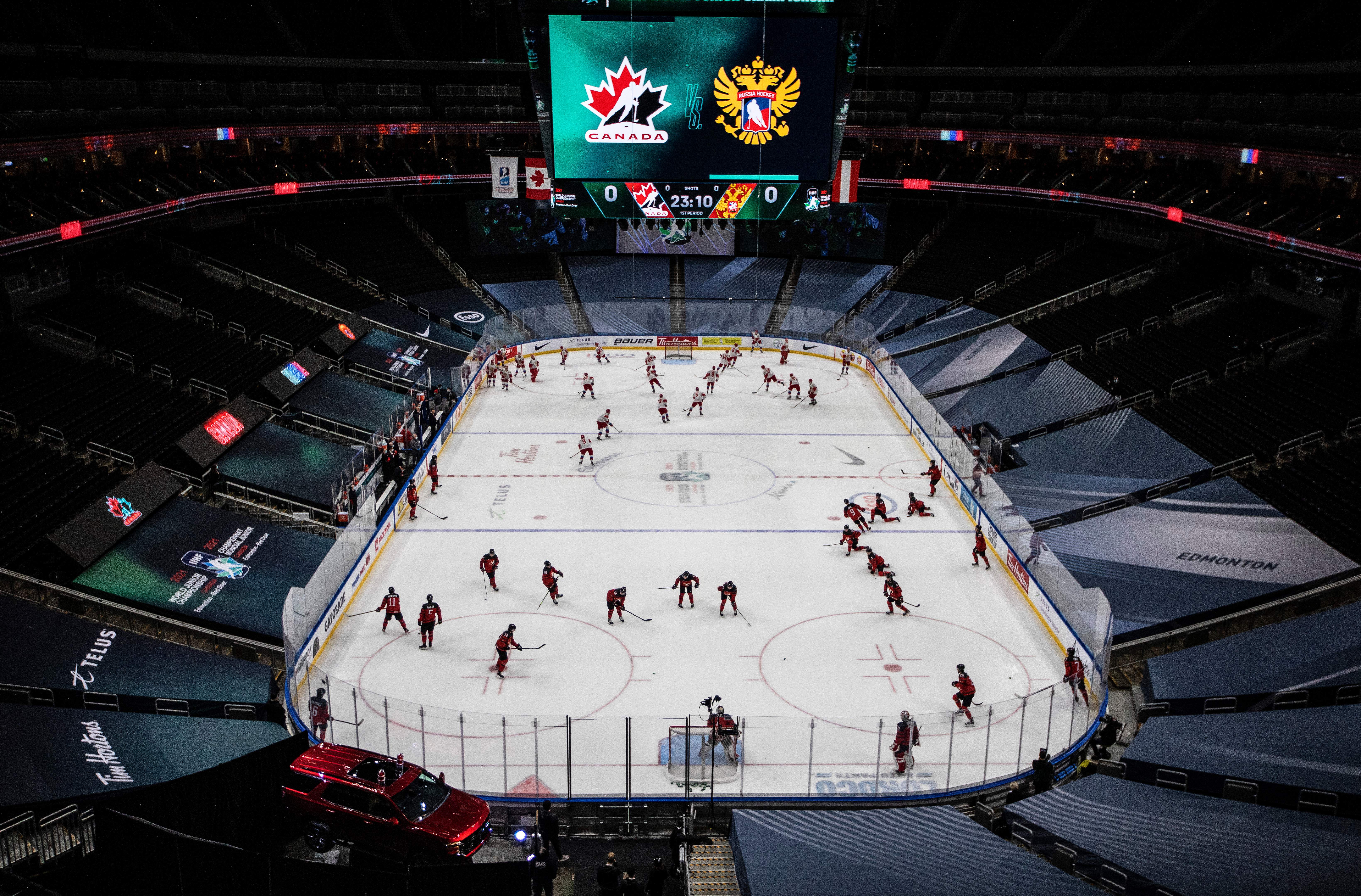
The collision between international sports law and geopolitical reality just got a whole lot messier. When the Court of Arbitration for Sport ruled that Russian and Belarusian hockey teams must be reinstated to international competition, it didn't just rattle the International Ice Hockey Federation. It triggered an immediate political backlash, completely pitting legal mandates against sovereign borders.
If you're wondering how a sports court can order the return of Russian teams only for national leaders to slam the door shut anyway, you aren't alone. The entire ordeal highlights a massive disconnect between abstract arbitration and the messy reality of international sports politics.
The Legal Logic Behind the Reinstatement
Let's look at what actually happened. The Court of Arbitration for Sport defended its recent decision by pointing straight at the paperwork. According to the tribunal, the IIHF simply failed to bring enough concrete evidence to justify keeping the ban in place.
Sports courts don't run on public sentiment or political pressure. They run on contractual obligations, bylaws, and evidentiary proof. When the IIHF argued that bringing Russian and Belarusian teams back would cause logistical chaos and security nightmares, the court wasn't buying it without hard proof. In legal terms, the governing body didn't meet its burden of proof to sustain the exclusion.
That ruling threw open the door for Russian teams to return to IIHF tournaments, including the upcoming World Junior Hockey Championship. But winning a legal case in Lausanne doesn't mean you can easily board a flight to Alberta.
Why Governments Are Blocking the Ruling Anyway
The moment the sports court handed down its verdict, politicians stepped in. Prime Minister Mark Carney made it explicitly clear that Russian players will not be stepping onto the ice for the World Juniors, which kick off in late December in Edmonton and Red Deer.
Canada isn't standing alone in this boycott, either. A growing bloc of European hockey federations—including Finland, Sweden, Czechia, Norway, Denmark, Latvia, and Austria—have stated flatly that they refuse to play against Russian teams.
This creates an impossible stalemate. The sports court says the IIHF has to let Russia play. Sovereign governments say they won't grant visas or let them enter. Other countries say they'll forfeit matches rather than lace up against them. A sports federation caught in the middle faces commercial sponsors threatening to pull out and member nations threatening mutiny.
What This Means for the Future of International Tournaments
We are watching the limits of sports arbitration play out in real time. Decisions made by legal panels in Switzerland hold zero weight when national governments decide to use immigration policy and security mandates to block entry.
The IIHF finds itself in an unwinnable position. If they defy the court, they face internal legal penalties and governance chaos. If they enforce the court's ruling, they face a player boycott, government intervention, and a tournament that major hockey nations refuse to attend.
Legal victories on paper mean nothing if nobody is willing to show up to the arena. The World Juniors will proceed, but Russia won't be on the ice, proving that geopolitics will always trump a sports court's mandate when the stakes are this high.