You can't scroll five feet online today without running into a new chatbot, automated video generator, or synthetic voice clone. It is exhausting. That exact feeling of digital burnout is why thousands of people are ditching cloud apps and buying clunky, beige boxes from the 1980s and 90s instead. Collecting vintage computers isn't just a quirky hobby anymore. It's a full-scale movement driven by people who want to touch real hardware and own their tools again.
The Antidote to Invisible Software
Modern tech is ghostly. Your files live on remote servers, your software updates without your permission, and you can't open a modern laptop without voiding a warranty or breaking a glued-shut case.
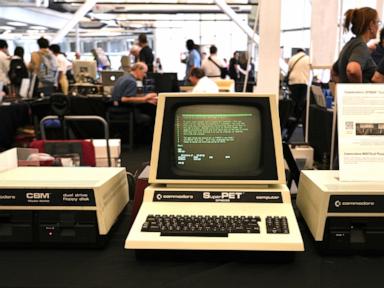
Vintage computers offer the exact opposite experience. When you boot up an Apple II, a Commodore 64, or an early IBM PC, you control every single layer of the machine. You hear the mechanical thrum of the floppy drive. You see the pixel grid on the CRT monitor. Nothing happens unless you make it happen.
There's a raw satisfaction in that simplicity. You can open the chassis with a standard screwdriver, trace the circuit traces on the motherboard with your eyes, and actually understand how electricity turns into code. AI can write a Python script in two seconds, but it cannot give you the tactile thrill of inserting a 5.25-inch floppy disk and watching a program load line by line.
What People Get Wrong About Retro Hardware
Most outsiders think vintage collectors are just wealthy hoarders looking for museum pieces to display behind glass. They aren't. Most collectors are active tinkerers.
Buying a machine from 1985 usually means inheriting broken capacitors, corroded battery compartments, and brittle plastic. Restoring these units requires real skills. You learn how to use a soldering iron, how to clean oxidation off edge connectors, and how to source replacement parts from specialized community forums.
The community itself is the secret engine of this subculture. Unlike modern tech spaces dominated by corporate product launches and toxic social media arguments, vintage computing forums are filled with people trading repair schematics, writing custom diagnostic software, and keeping obsolete operating systems alive.
The Economics of Nostalgia
Prices for classic machines have climbed steadily as demand outpaces supply. Working units of iconic computers command hundreds or even thousands of dollars depending on their condition and rarity.
Yet, many collectors start small. They hunt through local garage sales, estate clearances, and specialized online marketplaces for unloved hardware like old MS-DOS clones or word processors. Rescuing a neglected machine from a damp basement and nursing it back to life offers a dopamine hit that buying a brand-new smartphone simply cannot match.
If you want to jump into the hobby, don't break the bank on a mint-condition Apple Lisa right away. Start with something accessible like a budget 90s PC or a classic console, grab a multimeter, and learn how to fix the power supply yourself.
Stop letting algorithms manage your entire digital life. Build something tangible, solder a loose wire, and go rescue an old machine before it ends up in a landfill.