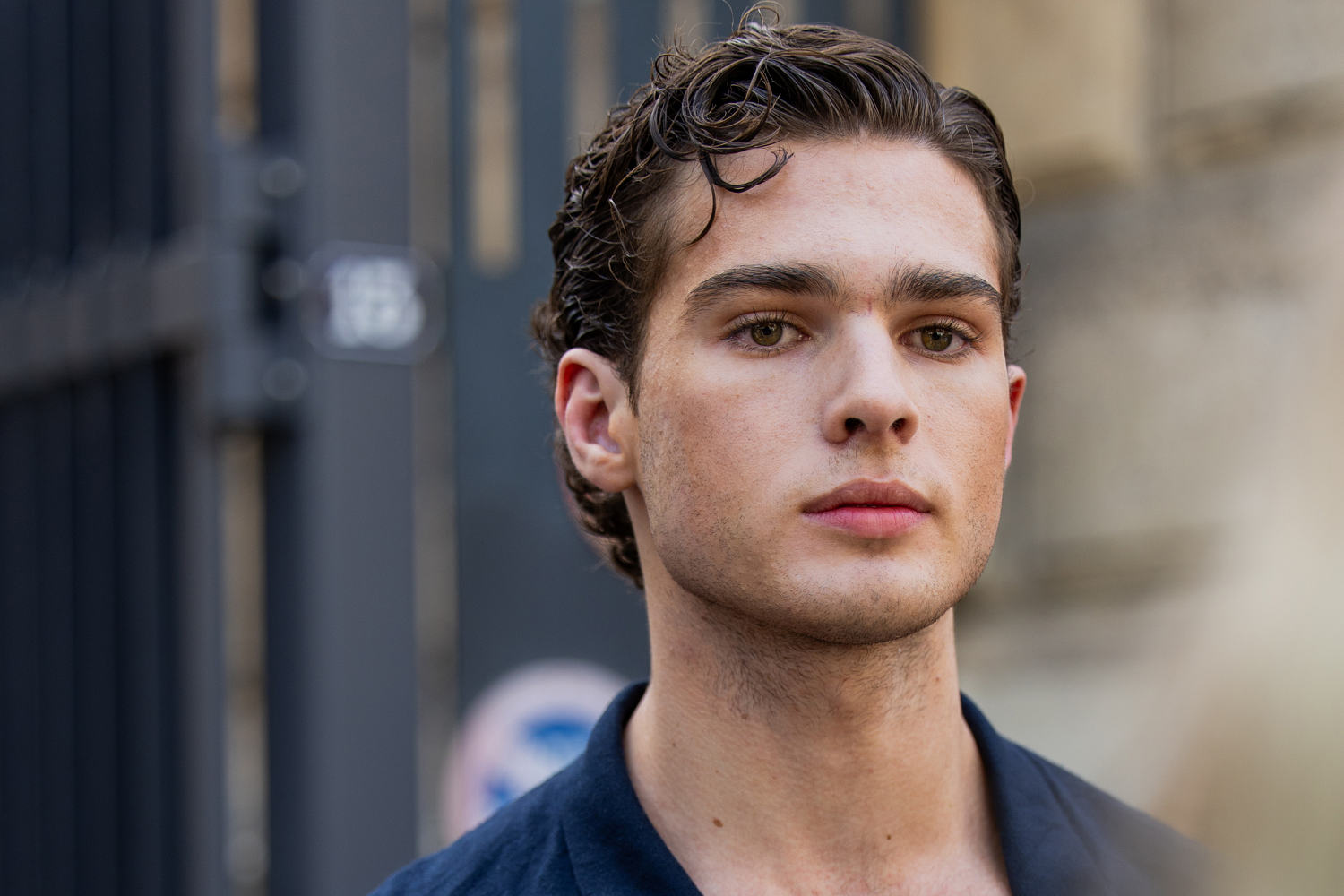
The legal battle surrounding internet influencer Clavicular just took a sharp turn. Aleksandra Vasilevna Mendoza officially dropped her sexual assault claims from her civil lawsuit against the creator, choosing instead to focus on a pending criminal prosecution in Massachusetts.
If you've been following the bizarre and toxic rise of the "looksmaxxing" subculture, you know this story involves much more than standard internet drama. Braden Eric Peters, known online as Clavicular, built a massive following by pushing extreme physical appearance modification tips to young audiences. But behind the digital facade, serious real-world legal consequences started stacking up.
The Shift From Civil Court to Criminal Prosecution
Mendoza's legal team filed an amended complaint in Florida court, ditching the previous sexual assault allegations while keeping claims of battery, intentional infliction of emotional distress, fraudulent misrepresentation, fraudulent concealment, and unauthorized publication of name and likeness.
Why drop the sexual assault portion in civil court? Lawyers often streamline or separate civil complaints when a parallel criminal case moves forward. In this situation, Massachusetts authorities pursued a criminal rape case against Peters based on the same encounters. Keeping civil proceedings focused purely on financial damages, battery, and fraud allows the ongoing criminal prosecution to take center stage without muddying evidentiary waters.
Mendoza, who was 17 years old at the time of the initial May 2025 incidents, was originally hired by Peters to film content as the female face of the looksmaxxing trend. What started as an employment gig quickly devolved into horrifying allegations, including claims that Peters injected her with Aqualyx—an FDA-unapproved fat-dissolving substance—which allegedly caused severe physical damage to her right cheek.
Untangling the Looksmaxxing Subculture
To understand why this case resonates so deeply, look at the ecosystem that spawned it. Looksmaxxing relies on young, impressionable users obsessing over bone structure, jawlines, and physical symmetry, sometimes encouraging dangerous DIY procedures. Peters leveraged this niche to gain influence and monetization. When internet fame collides with unregulated medical procedures and serious criminal accusations, the consequences stop being virtual.
The Florida civil suit now seeks more than $50,000 in damages, targeting battery and fraudulent practices, with a major hearing scheduled on October 22. Meanwhile, all eyes remain fixed on Massachusetts, where the criminal justice system will determine the outcome of the rape allegations.
Review the court filings if you want the exact legal wording, but the core reality remains unchanged. This is what happens when internet subcultures operate without guardrails and real-world harms catch up to digital stars.