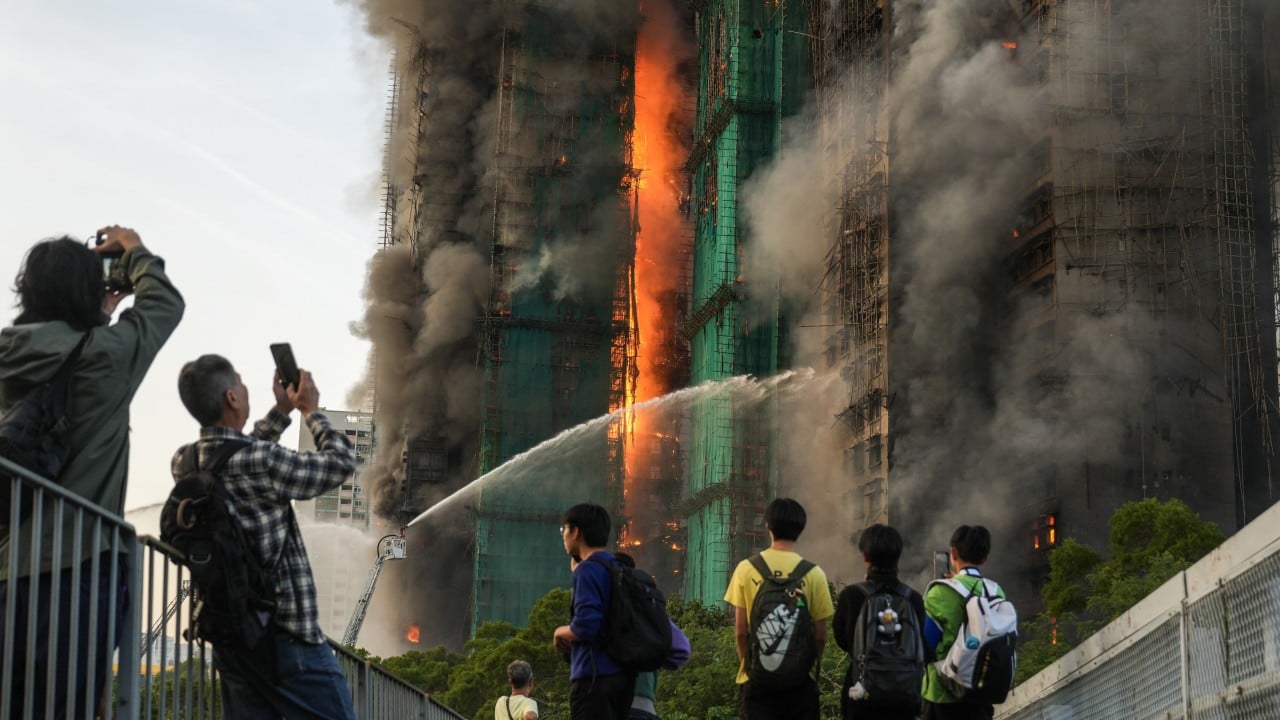
A single glowing ember can level a city. On November 26, 2025, that terrifying reality struck Wang Fuk Court in Tai Po, claiming 168 lives in a catastrophe that shook Hong Kong to its core. Months of grueling investigation culminated in a massive independent committee report laying bare a staggering catalog of negligence, systemic regulatory failure, and outright human error.
The spark wasn't some complex electrical fault or sophisticated sabotage. Investigators concluded the disaster began with a lit cigarette.
The Spark And The Fuel
Circumstantial evidence points directly to an improperly discarded cigarette butt igniting paper materials and dry debris on the exterior of Wang Cheong House. Low humidity levels hovering between forty and fifty percent at the time turned the surroundings into a tinderbox.
Yet a cigarette alone doesn't kill 168 people. The true catalyst was an abundance of hazardous fuel allowed onto the site.
Contractors used non-fire-retardant scaffolding nets and combustible foam boards. Safety protocols were treated as mere paperwork suggestions rather than strict lifelines. When the initial ember caught, the building's exterior practically invited the flames to race upward unchecked. To make matters worse, critical fire safety systems, including alarms and hose systems, had been switched off or compromised during ongoing maintenance work.
A Vacuum Of Accountability
The tragedy at Wang Fuk Court wasn't just a physical accident. It was an administrative failure of the highest order.
The investigative panel laid heavy blame on Prestige Construction and Engineering and Will Power Architects, stating both entities deserved severe censure for ignoring glaring safety risks. Workers smoked on site with impunity, and supervisors looked the other way.
Worse still, the government apparatus utterly failed the residents. Complaints regarding hazardous smoking practices, flammable materials, and blatant safety violations fell into a regulatory vacuum. Multiple departments, including the Labour Department and the Buildings Department, punted responsibility back and forth. No single agency took ownership of enforcement. Warnings from residents who saw disaster looming were ignored or lost in bureaucracy.
Chief Executive John Lee issued a public apology to victims' families, accepting that oversight mechanisms collapsed entirely. Housing Secretary Winnie Ho resigned to shoulder political accountability, while authorities pledged criminal proceedings against culpable private companies and individual supervisors.
Fixing A Broken System
You cannot bring back the lives lost at Wang Fuk Court, but you can change how high-density urban centers manage renovation safety.
The independent report outlines sweeping reforms aimed at cleaning up Hong Kong's building maintenance industry. These recommendations demand zero-tolerance policies for smoking on construction sites handling flammable materials, mandatory fire-retardant standards for all scaffolding gear, and unified oversight so public complaints can never again vanish into bureaucratic red tape.
Safety regulations written on paper mean nothing if the people on the ground refuse to enforce them. Contractors, consultants, and regulators must realize that cutting corners with human lives carries an intolerable cost.