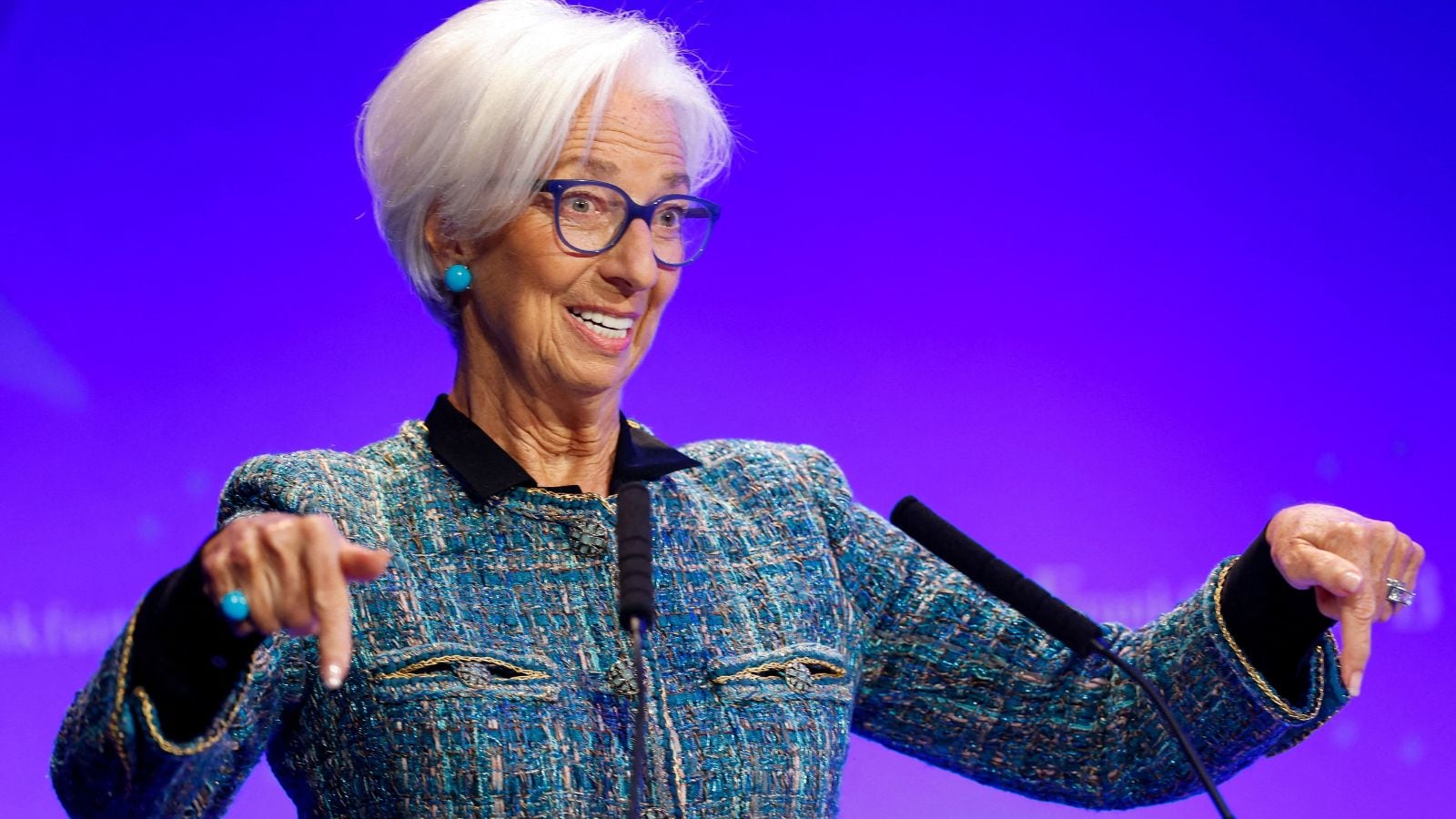
Christine Lagarde is leaving early. The European Central Bank announced that its president will step down on February 7, 2027, cutting her eight-year term short by nearly nine months.
Markets hate uncertainty. Yet, the bigger story isn't just the date on the calendar. It is the brutal timing. Lagarde's exit lands right as the eurozone stares down stubborn inflation, shifting global trade pressures, and a messy political scramble in Brussels.
If you think central bank leadership changes don't affect your wallet, you're missing the bigger picture. Let's break down what is actually happening behind closed doors in Frankfurt.
The Real Reason Behind the Early Exit
Speculation about Lagarde leaving before her October 2027 expiration date didn't start overnight. Whispers circulated for months across financial circles. While official statements keep things cordial—complete with a standing ovation from the Governing Council—observers know elite central banking rarely operates in a vacuum.
Lagarde leaves behind a bloc facing an uphill battle. Growth is sluggish. Energy costs remain volatile. National budgets in heavyweights like France and Germany face intense fiscal scrutiny.
Stepping down early lets European leaders kick off the succession race now rather than crashing into a chaotic political season later. European Council President António Costa noted that the selection process starts immediately without delay.
Who Steps Into the Hot Seat
The race to replace Lagarde is already heating up. Wall Street and European trading desks aren't just gossiping; they are positioning themselves for the policy shifts a new chief might bring.
Heavy hitters are already entering the conversation. Names like Klaas Knot, former head of the Netherlands central bank, and Pablo Hernández de Cos, general manager of the Bank for International Settlements, top the list of potential successors.
Whoever takes the helm inherits a massive balancing act. The ECB must keep inflation pinned down near its two percent target without choking the life out of an already fragile corporate lending market.
The Policy Outlook Moving Forward
Don't expect an immediate U-turn in monetary strategy just because a new face sits in the president's chair. Economists across major institutions point out that institutional momentum usually outlasts individual leaders.
Interest rates and quantitative tightening follow economic data, not personal whims. Bond markets are already tightening credit conditions independently, doing a lot of the ECB's heavy lifting for them.
Even so, leadership transitions alter market psychology. A new president brings a fresh communication style. Markets will parse every single word uttered during press conferences for hints about future rate cuts or emergency backstops like the Transmission Protection Instrument.
What This Means for You
Macroeconomics dictates the cost of everyday borrowing, mortgage rates, and job stability across the continent. When the top central banker bails out early during a crisis, volatility follows.
Keep a close eye on upcoming political horse-trading in the European Council. The next few months will reveal whether Europe can pick a successor smoothly or if ideological clashes will rattle investor confidence.
Tighten your financial planning, watch how commercial banks adjust lending rates, and prepare for a turbulent transition period in European monetary policy.


