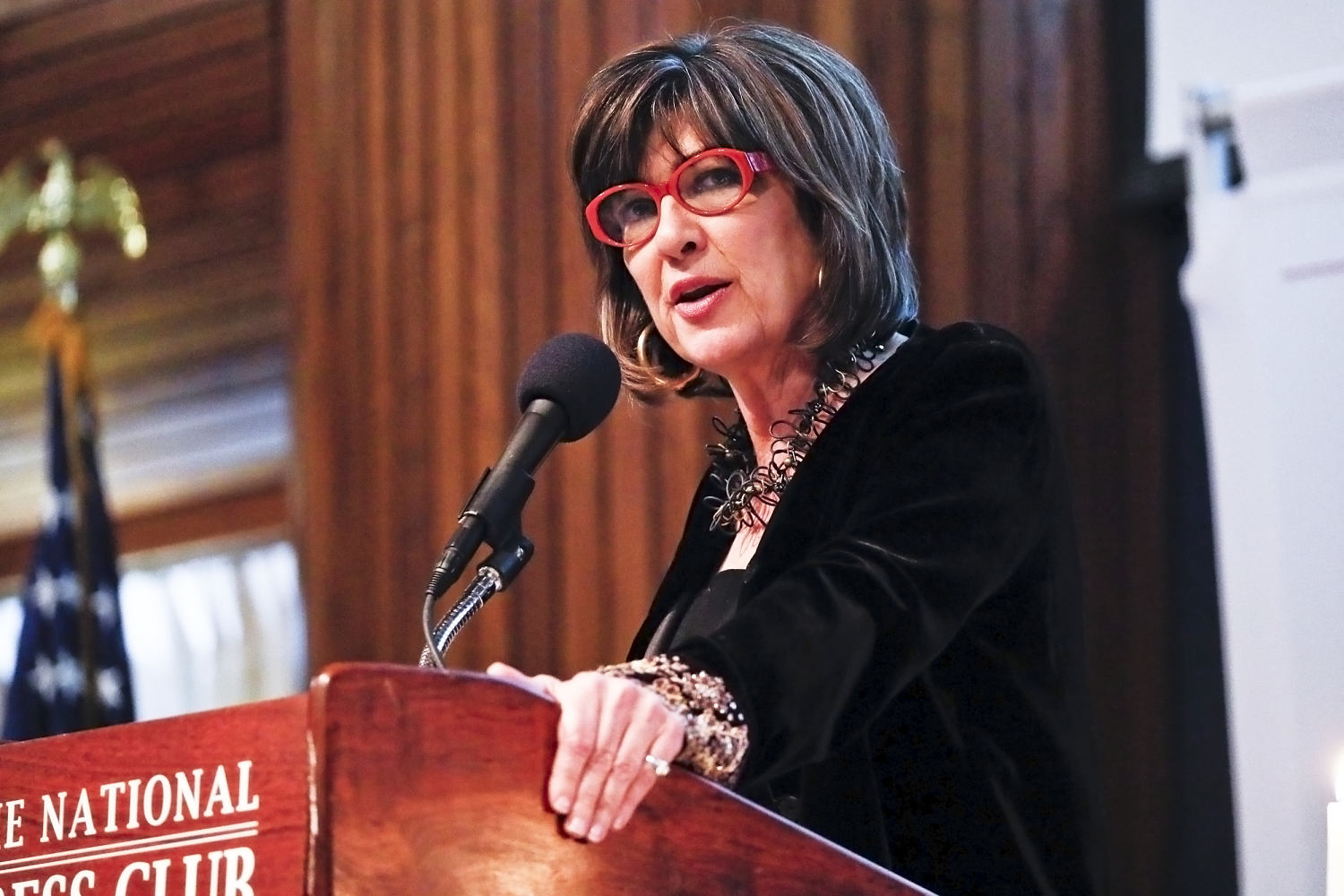
Forty-three years is an entire professional lifetime. When Christiane Amanpour announced her upcoming departure from CNN, set for June 2027, it marked the absolute end of an era for broadcast journalism. You do not simply replace a voice that defined global reporting through the Bosnian War, the Gulf War, and decades of shifting geopolitical fault lines.
CNN chief executive Mark Thompson shared the news with newsroom employees, confirming that the network's chief international anchor will step away after over four decades. Amanpour herself noted in her statement that the choice came after months of thought and a few sleepless nights. She is not retiring, but rather looking toward new projects. Yet her exit raises hard questions about where international television news goes next.
The End of an Unmatched Run on Global Airwaves
Amanpour joined CNN back in 1983. Back then, cable news was a radical experiment, not a 24-hour beast dominating every screen. She rose quickly through the ranks, becoming foreign correspondent and eventually chief international anchor. Her reporting style was never about quiet diplomacy. She famously challenged world leaders to their faces, pushing past propaganda to demand accountability.
Her nightly interview program, Amanpour, which started in 2009, is scaling back to airing just once a week starting in January 2027 before concluding entirely. Meanwhile, her PBS program, Amanpour & Company, wraps up at the end of December 2026. These wind-downs are methodical, giving viewers time to adjust, but the structural gap she leaves behind will be massive.
What Her Exit Means for Cable News Budgets and Priorities
Let us be honest about the state of television news today. Networks are cutting foreign bureaus, scaling back deep-dive international reporting, and chasing cheap digital commentary. Amanpour remained one of the few anchors who could command a global audience solely on the strength of foreign policy reporting.
When a veteran of her stature leaves, it triggers an identity crisis for networks trying to balance legacy prestige with shrinking linear TV audiences. Who gets sent into active conflict zones now? How do networks fund boots on the ground when opinion panels are so much cheaper to produce? CNN faces a profound challenge in maintaining its historic commitment to independent foreign reporting without its most iconic face.
The Legacy of Being Truthful, Not Neutral
Amanpour once famously summarized her journalistic ethos with a simple phrase: "Always be truthful, not neutral." In an era dominated by false equivalencies and forced balance, her philosophy cut through the noise. She argued that neutrality can often mean giving equal weight to the aggressor and the victim, whereas truth demands bearing witness.
That principle shaped generations of foreign correspondents. Young journalists watched her stand in ruined cities and refused to sanitize brutality. As she steps away in 2027, the industry must decide whether that fierce, uncompromising brand of reporting survives or gets diluted into safer, tamer formats.
Take a close look at your news diet. If you rely on superficial headlines, you miss the systemic shifts happening behind the scenes in media boardrooms. Support independent reporting, demand depth over outrage, and pay attention to who is actually standing on the ground when history breaks.

