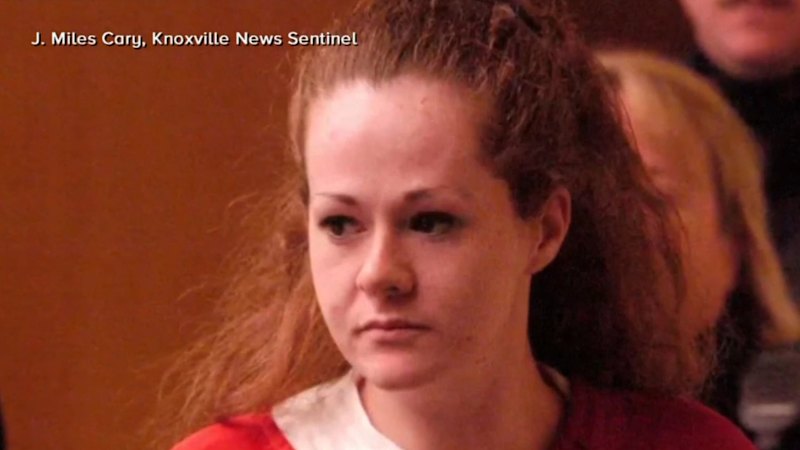
Walking into an execution chamber prepared to die changes a person. Waking up days later alone on a ventilator in a hospital room changes them entirely. Exactly one month after surviving a catastrophic lethal injection attempt in Tennessee, death row inmate Christa Pike has finally broken her silence.
In a public statement dictated to her lawyers, Pike detailed the lingering trauma of a botched execution that has reignited fierce national debates over capital punishment. Her words paint a grim picture of physical agony and psychological shock.
"There hasn't been a moment since that night when I haven't been in pain," Pike said in the statement. "My body hurts. My arms hurt. My hands hurt. My throat hurts. I still struggle to speak. And the pain isn't just physical. There is pain in my mind and in my soul."
Pike, now 50 years old, spent nearly three decades on Tennessee's death row following her 1996 conviction for the 1995 murder of her 19-year-old classmate Colleen Slemmer. On September 30, 2026, the state attempted to execute her via lethal injection using pentobarbital.
What followed was a horrific breakdown in protocol. Witnesses and legal teams documented intense struggles with intravenous lines before the drugs were administered. After receiving two massive doses, Pike remained conscious, moving, and vocal past the timeline of standard state procedures. She was rushed off-site to a hospital, placed in a medically induced coma on a ventilator, and eventually returned to prison in mid-October after learning to walk again.
Unlike past failed executions where IV access issues prompted states to call off the procedure before drugs entered the body, Pike's case crossed a terrifying threshold. Drugs were pushed, the execution failed to kill her, and the state was left scrambling amid a flurry of emergency legal filings.
The incident triggered immediate institutional fallout. Tennessee's top prison official resigned shortly after the botched procedure, and medical and legal ethics boards across the globe immediately condemned the state's actions. Critics point out that medical professionals are bound by oaths to do no harm, making state-compelled participation in botched executions an ongoing human rights crisis.
Pike's statement reflects the surreal reality of surviving an event designed to be final. She noted that she had made her peace with dying on that September evening.
"I don't know why I survived that night. I don't know what comes next," she stated. "Some days, finding hope is harder than others. For now, I am trying to heal, one day at a time."
Legal experts remain divided on what comes next for the state's handling of her case. Governor Bill Lee indicated that her death sentence remains legally active unless a court steps in, leaving open the horrifying prospect that the state could attempt a second execution. Meanwhile, public opinion polls show a deeply polarized public, with roughly a third of Americans backing a second attempt while civil rights groups demand immediate commutation to life imprisonment.
Pike concluded her remarks by acknowledging the letters and messages she received from supporters during her recovery.
"I am holding on to the love and kindness of so many people who have reminded me that I am not alone," she said.
As legal battles loom and medical investigations continue, the state of Tennessee faces intense scrutiny over a lethal injection system that failed its primary objective while leaving a human being to suffer in the aftermath.


