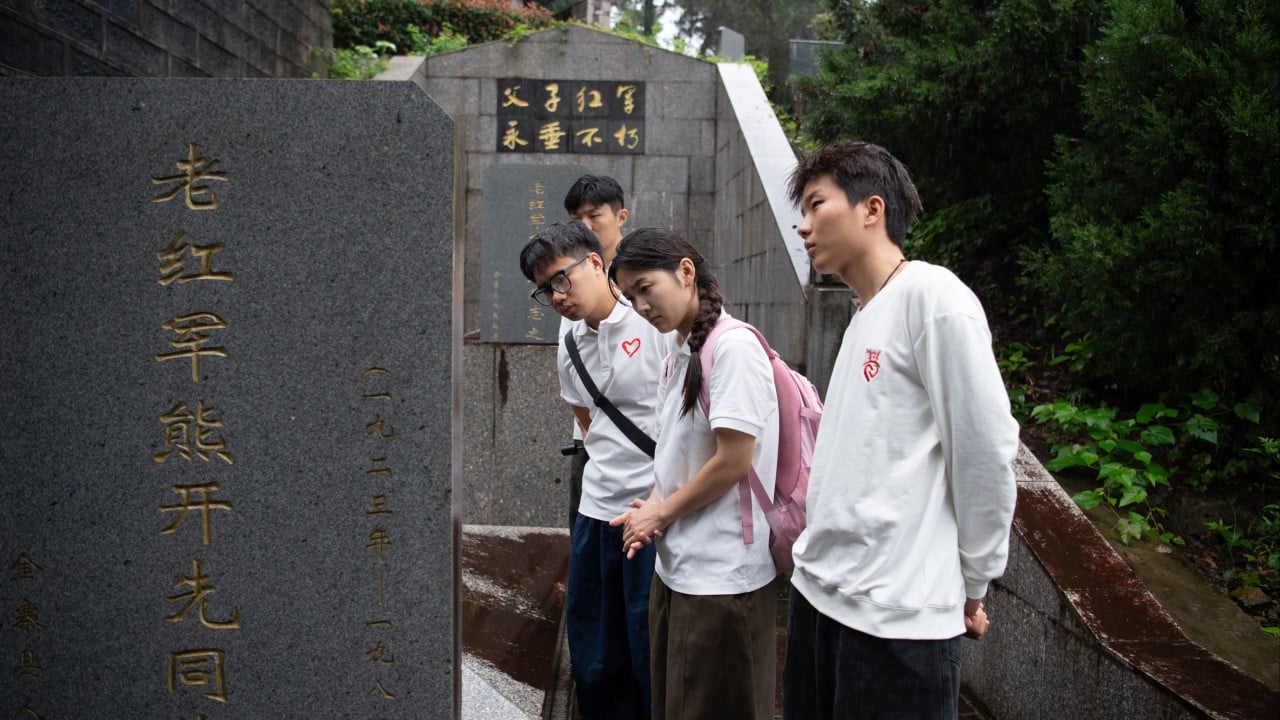
Life in your twenties is hard right now. If you're scrolling through job boards in Beijing, Shanghai, or anywhere else across the country, you know the grind is real. Competition is fierce, unemployment numbers sting, and the future looks foggy. So where do young people look when the modern economy gives them whiplash?
Surprisingly, they're looking backward.
A lot of twenty-somethings are digging into revolutionary history, specifically the legendary Long March of the 1930s, to find a mental anchor. It sounds old-school, but the grit of the Red Army's 10,000-kilometer trek through snow mountains and marshes is resonating with a generation dealing with hyper-competitive corporate pressure and economic uncertainty.
Let's talk about what's actually driving this trend and how history is getting a modern makeover.
The Reality Behind the Burnout
You can't understand this cultural shift without looking at the pressures facing young Chinese citizens today. The days of guaranteed smooth career paths and easy corporate climbing are long gone. Graduating from a top-tier university doesn't automatically land you a cushy desk job anymore. Instead, you've got millions of grads competing for fewer spots, leading to intense fatigue and widespread anxiety.
Take Lyu Leiyiyi, a 22-year-old student at the Communication University of China. She recently pointed out that being in your twenties right now means dealing with a dizzying pace of change. When the ground beneath you keeps shifting, you look for something stable to hold onto.
For Lyu and many of her peers, that stability isn't coming from a crypto portfolio or a tech startup pitch deck. It's coming from an institutional narrative of endurance. The Red Army's retreat from 1934 to 1936 was the ultimate survival story against impossible odds. Today's youth aren't just memorizing dates for a civics test; they're extracting tactical mindset shifts from it.
Reframing Historical Endurance for the Modern Grind
It's easy to dismiss this as mere state propaganda, but that misses the human element. When young people lean into the Long March spirit, they're translating historical sacrifice into personal coping mechanisms.
Think about how it plays out on the ground:
- Building an inner core: When corporate layoffs hit or job applications get ghosted, reframing the struggle helps people stay mentally tough.
- Embracing setbacks as strategy: The 1935 Zunyi Conference wasn't just a meeting; it was a moment where Communist leaders stopped, admitted their strategy wasn't working, and completely pivoted under Mao Zedong's guidance. Young professionals are taking note. If a career path hits a dead end, you don't quit—you reassess, change direction, and adapt.
- Collective resilience: Surviving solo is brutal. Leaning into community support mirrors how the Red Army relied on comradeship to cross hostile terrain.
Why History Beats Hustle Culture
For years, tech giants and corporate offices pushed the relentless "996" work schedule—9 am to 9 pm, 6 days a week—as the ultimate badge of honor. That bubble burst. Burnout culture exposed the lie that grinding yourself into dust would automatically yield prosperity.
Young people got wise to the trap. They realized that working yourself to the bone for a company that might lay you off next quarter makes zero sense.
Instead of buying into empty corporate motivational quotes, they're turning to historical narratives that prioritize grit, strategic patience, and long-term survival over short-term hustle metrics. It's a subtle rebellion. You're refusing to panic when the macro environment looks grim. You're treating your career journey as a marathon, not a sprint against impossible algorithmic expectations.
What This Means for the Road Ahead
The economic headwinds aren't going to vanish overnight. Job markets will stay tight, and technological disruptions will keep reshaping industries.
If you're trying to navigate your own professional hurdles—whether you live in Asia, North America, or Europe—the core lesson here transcends borders. When external chaos takes over, you can't control the market, but you can control your mental resilience. Stop looking for quick hacks or instant validation. Build a solid internal foundation, learn from your missteps, and keep moving forward when the terrain gets rough.