Everyone loves a good underdog story, but what is happening right now in the automotive sector looks less like an underdog tale and more like a high-stakes survival game. If you think the electric vehicle transformation is just about swapping out gas tanks for lithium-ion packs, you are missing the entire plot. The real story is happening on factory floors, in supply chains, and across shifting international borders where traditional auto giants are fighting for oxygen.
China's domestic market has turned into an absolute meat grinder. While legacy manufacturers elsewhere still hold boardroom meetings to debate whether they should pivot to electric alternatives, Chinese automakers are locked in a brutal race for survival. Giants like BYD and Geely Auto are pulling away from the pack, posting massive sales records even as smaller competitors face heavy profit squeezes. But the ripple effects do not stop at China's borders. They are reshaping everything from Southeast Asian manufacturing to global nickel supply chains.
The Domestic Squeeze in China
China is home to the world's most aggressive automotive ecosystem. Price wars have become standard operating procedure, forcing hundreds of brands to slash margins just to stay alive. This environment creates incredible innovation speed, but it also leaves a trail of casualties among smaller EV startups that cannot absorb continuous losses.
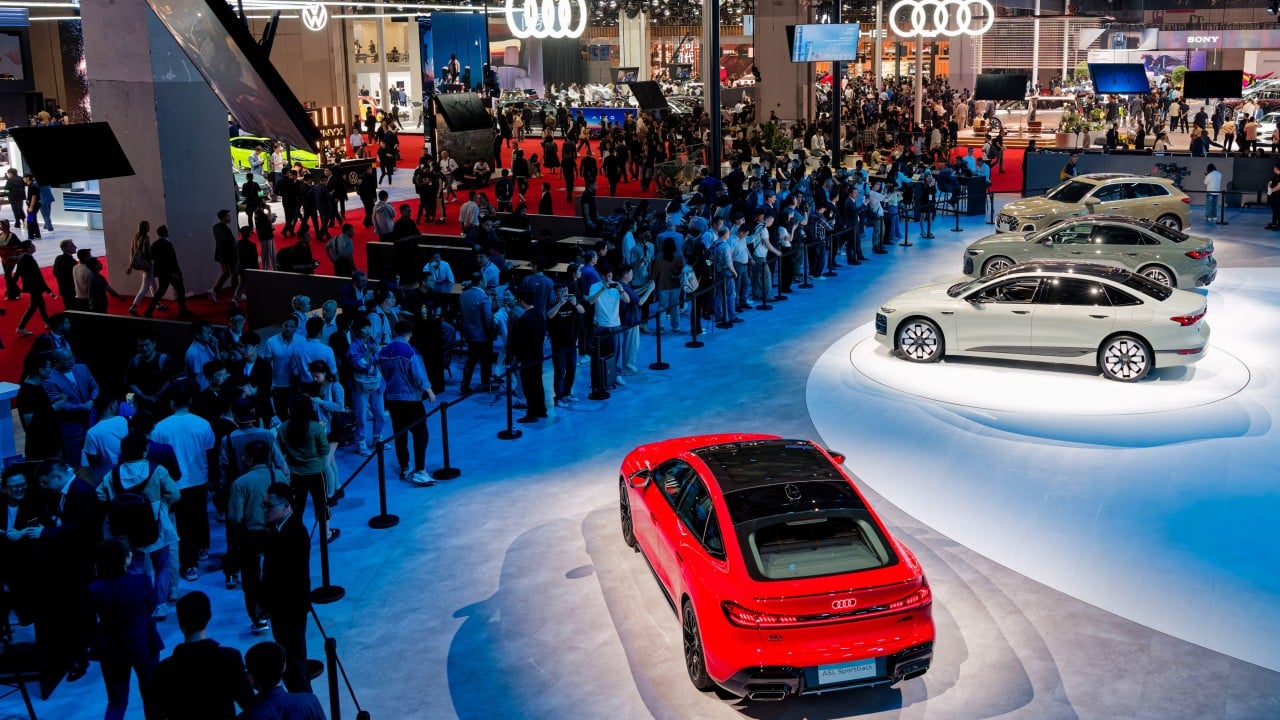
At the same time, an interesting counter-trend is emerging. Beijing's push for higher quality standards and stricter regulatory scrutiny on rapidly developed vehicles is giving foreign brands an unexpected second look. Legacy international carmakers are slowly regaining ground by leaning heavily into consumer trust, reassuring buyers that their engineering stands the test of time. Still, the baseline has shifted permanently. If you cannot build software-defined vehicles at breakneck speed, you simply do not matter in China anymore.
Export Surges and Global Pressures
When domestic margins shrink, looking outward becomes a necessity. Chinese EV exports have surged dramatically, riding waves of international demand influenced by energy market fluctuations and geopolitical shifts in the Middle East. Shipping hundreds of thousands of electric cars across oceans sounds straightforward, but it creates intense friction with foreign regulators who are scrambling to put up trade barriers.
Tariffs and trade restrictions are popping up like speed bumps. Yet, demand remains remarkably resilient because the price-to-performance ratio of these vehicles often outclasses local alternatives in importing regions. Western automakers watching this wave hit traditional strongholds are realizing that lobbying for protectionist policies is a short-term fix for a long-term competitiveness problem.
The Southeast Asian Boom and Local Disconnects
Drive through Thailand, Indonesia, or Vietnam today, and you will notice a stark reality: Chinese automotive brands are everywhere. A massive EV boom is transforming Southeast Asia's transit habits, with factories sprouting up to serve local and regional buyers. BYD and other heavyweights are establishing regional assembly hubs, treating the area as a vital growth engine.
However, this rapid expansion brings hidden friction. Local car parts suppliers in Southeast Asia are getting sidelined. Instead of sourcing components from local small-and-medium enterprises, incoming EV giants often rely on established, locked-in supply chains from back home. This leaves local economies wondering how much real, long-term manufacturing value they are actually capturing from the foreign investment wave.
The Upstream Battle Over Nickel and Batteries
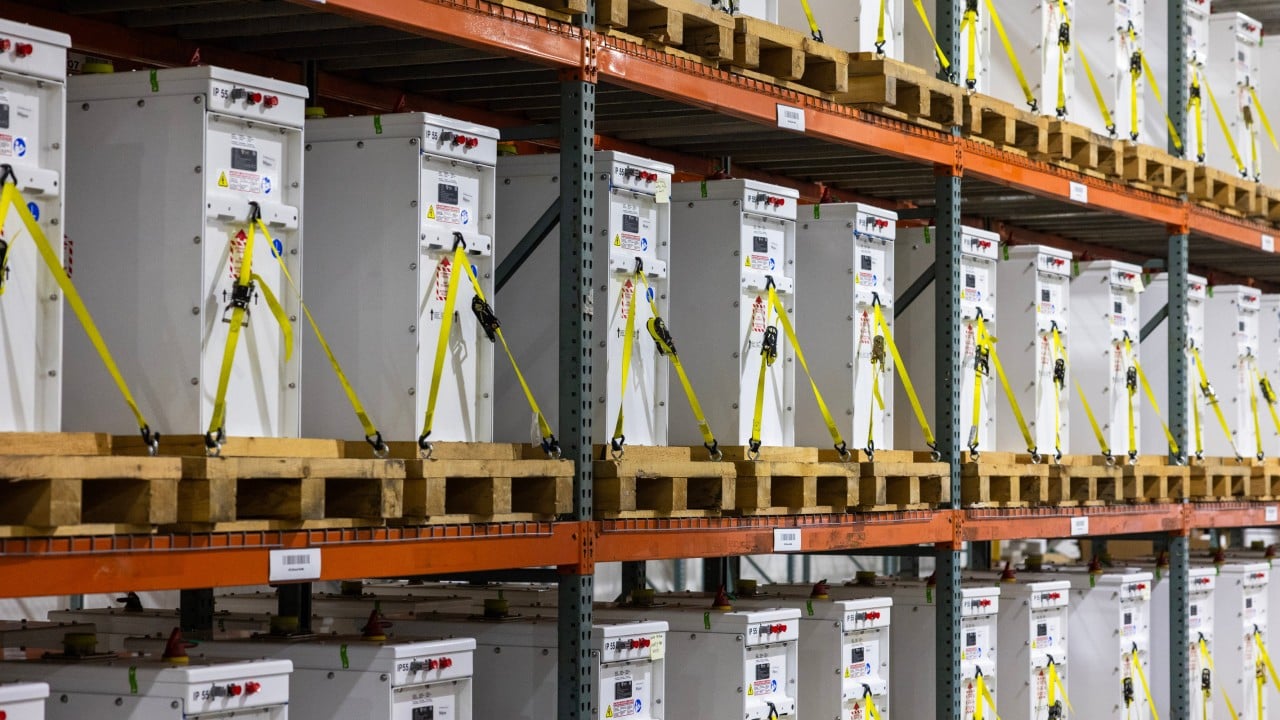
Behind every shiny showroom model sits a very unglamorous reality: raw materials. China's vast battery manufacturing machine runs on a massive appetite for nickel, much of which is sourced and processed through Indonesia. When nature disrupts the supply chain, the entire global market feels the shockwave. Severe droughts and localized weather disruptions have recently slowed down output in key processing regions, proving just how fragile these hyper-optimized supply chains really are.
You can build the best battery management software in the world, but if the raw materials are sitting idle due to environmental bottlenecks, production lines stall. This vulnerability is forcing procurement teams to diversify suppliers faster than they originally planned, driving up costs and forcing a rethink of just-in-time manufacturing models.
Looking Past the Hype
The narrative surrounding electric vehicles often swings wildly between utopian green dreams and apocalyptic economic warnings. The truth is much more pragmatic. The market is maturing through pure, unfiltered capitalism. Companies that fail to adapt to razor-thin margins, secure diversified supply chains, or respect local economic partnerships are getting washed out.
The playbook for building cars has fundamentally broken. Traditional metrics of brand loyalty and dealership networks matter less when a new competitor can update your car's suspension and infotainment system overnight via the cloud. Anyone trying to understand where global manufacturing is heading needs to stop watching Detroit or Munich and start paying attention to Shenzhen, Bangkok, and Jakarta.