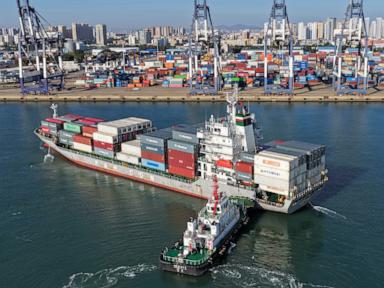
Numbers this massive usually belong in science fiction, but they're happening right now in global shipping containers and customs offices. China just smashed past the one trillion dollar trade surplus milestone for the second year running, hitting the mark a full month earlier than last time.
If you look at the customs data released on Tuesday, October exports spiked 35.2 percent from a year ago. Imports jumped too, climbing 41.6 percent, which actually trimmed the monthly surplus down to a modest 105.28 billion dollars. Even with that monthly dip, the cumulative January-to-October surplus sits at a staggering 1.04 trillion dollars, keeping Beijing squarely on track to beat last year's record-shattering 1.2 trillion total.
The High-Tech Engine Behind the Surge
Most casual observers assume cheap plastic toys and basic apparel are driving these numbers. They aren't.
The real fuel for this massive surplus is high-end manufacturing. Global demand for advanced electronics, semiconductors, and electric vehicles is rewriting the trade map. Chip exports alone skyrocketed by over 137 percent in value due to persistent global memory shortages and relentless artificial intelligence infrastructure spending.
When data centers worldwide need specialized hardware, factories in Shenzhen and Guangzhou deliver. It's not just volume anymore; it's high-value engineering that foreign competitors struggle to match at scale.
The Domestic Disconnect Driving Foreign Sales
Here's the part that financial headlines often gloss over. This export frenzy isn't happening because the local economy is an unstoppable powerhouse. It's happening because domestic demand inside China remains stubbornly sluggish.
Think about it from a manufacturer's perspective. If local consumers are tightening their wallets due to an ongoing property slump and cautious spending habits, what do you do with factory output? You ship it abroad.
Beijing's broader economic machine is still chugging along toward its official annual growth target of 4.5 to 5 percent, but that growth relies heavily on ships heading out of ports rather than shoppers filling malls at home. Without this massive overseas appetite, local factories would face crippling overcapacity.
Global Friction and What Comes Next
Trade imbalances of this magnitude never exist in a vacuum. When one nation sells way more than it buys from everyone else, political pressure builds fast.
Washington and Brussels are already watching these numbers closely. Rising friction over industrial overcapacity and market access is turning trade policy into a high-stakes chess match. As international leaders prepare for upcoming summits like APEC, these surplus figures will dominate the agenda. Tariffs, restrictions, and protectionist walls aren't going away. They're getting taller.
You can't pump a trillion-dollar trade surplus into the global economy without shaking up traditional trade routes. For businesses navigating international supply chains right now, relying on single-source manufacturing or ignoring shifting regulatory crosswinds is an expensive mistake. Keep a close eye on upcoming bilateral talks and semiconductor controls because this trade dynamic is forcing every major economy to redraw its playbook.