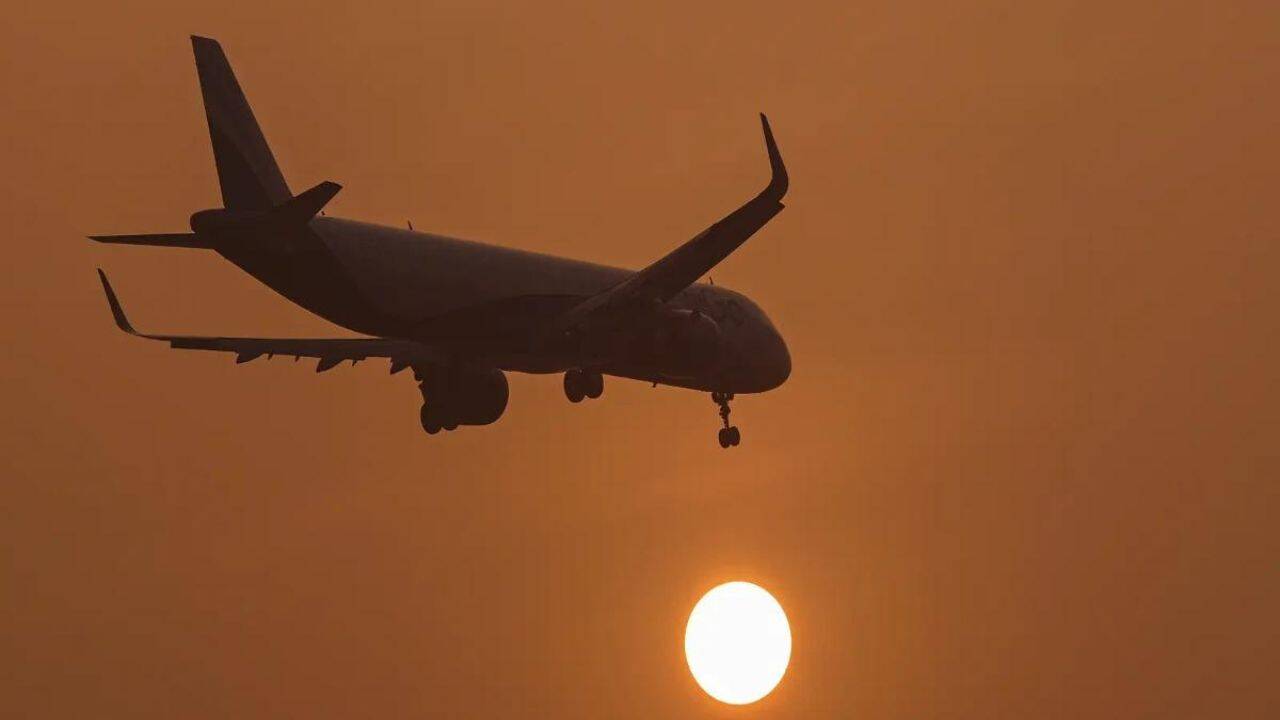
If you think running an airline is tough, try running a massive state-owned carrier in China right now. The numbers from the third quarter paint a brutal picture. Air China, China Eastern, and China Southern are watching their balance sheets sink right back into the red, shattering hopes of a clean post-pandemic recovery.
You might look at packed airports and assume carriers are swimming in cash. They aren't. Let's look at what is actually destroying Chinese airline margins and why the market is punishing their stocks so hard.
The Fuel Price Trap
Jet fuel costs can make or break an airline overnight. When crude prices spike, carriers take an immediate hit. But the situation for China's biggest players is far more extreme due to how they manage risk.
Since military conflicts in the Middle East rattled energy markets, jet fuel prices more than doubled at their peak. While many global carriers aggressively hedge their fuel needs to lock in predictable prices, Chinese airlines tend to hedge a much smaller fraction of their exposure. That means when oil goes up, they swallow the entire cost increase raw.
Air China and China Eastern are now staring down the barrel of their seventh consecutive annual net loss since the pandemic threw global travel into chaos. China Southern briefly flashed a sign of hope by turning a profit in 2025, but that victory was short-lived. They are slipping right back into losses alongside their peers.
The Domestic Fare War
High fuel expenses would be manageable if airlines could simply raise ticket prices. They can't.
Domestic airfares inside China have stayed remarkably weak. Intense competition among carriers, combined with a summer travel season marred by severe weather and typhoon disruptions, forced airlines to slash prices to keep seats filled. Passengers love cheap tickets, but airlines need pricing power to survive. When fuel costs double and ticket prices stay flat, cash burns away at an alarming rate.
Look at the Q3 results:
- Air China reported a net profit collapse of 92.6% year-on-year, pulling in a meager 270.6 million yuan ($40.62 million).
- China Eastern saw its quarterly net profit plummet 92% down to 64 million yuan.
- China Southern posted a net loss of 609 million yuan for the July-September period, a massive reversal from the 3.84 billion yuan profit it hauled in a year earlier.
Wall Street Reaction and Stock Sell-Offs
Investors hate uncertainty, and they are voting with their feet. Equity markets have punished these carriers aggressively throughout the year.
Shares of Air China, China Eastern, and China Southern have dropped roughly 38%, 46%, and 39% respectively. Shareholders have lost patience waiting for a turnaround that keeps getting pushed further into the future. Even fleet growth strategies are feeling the pinch, with carriers adjusting delivery schedules for homegrown aircraft like the C919 as capital becomes tighter.
What Comes Next for the Industry
Airlines cannot control geopolitical oil shocks, but they can adapt their capacity management. Until domestic pricing environment stabilizes and fuel volatility cools down permanently, these legacy giants will continue fighting an uphill battle just to stay solvent.