Nobody likes thinking about what happens behind a locked apartment door when nobody checks in for days. Yet in China, aftermath cleaners are watching a quiet demographic shift turn into a frontline occupational reality.
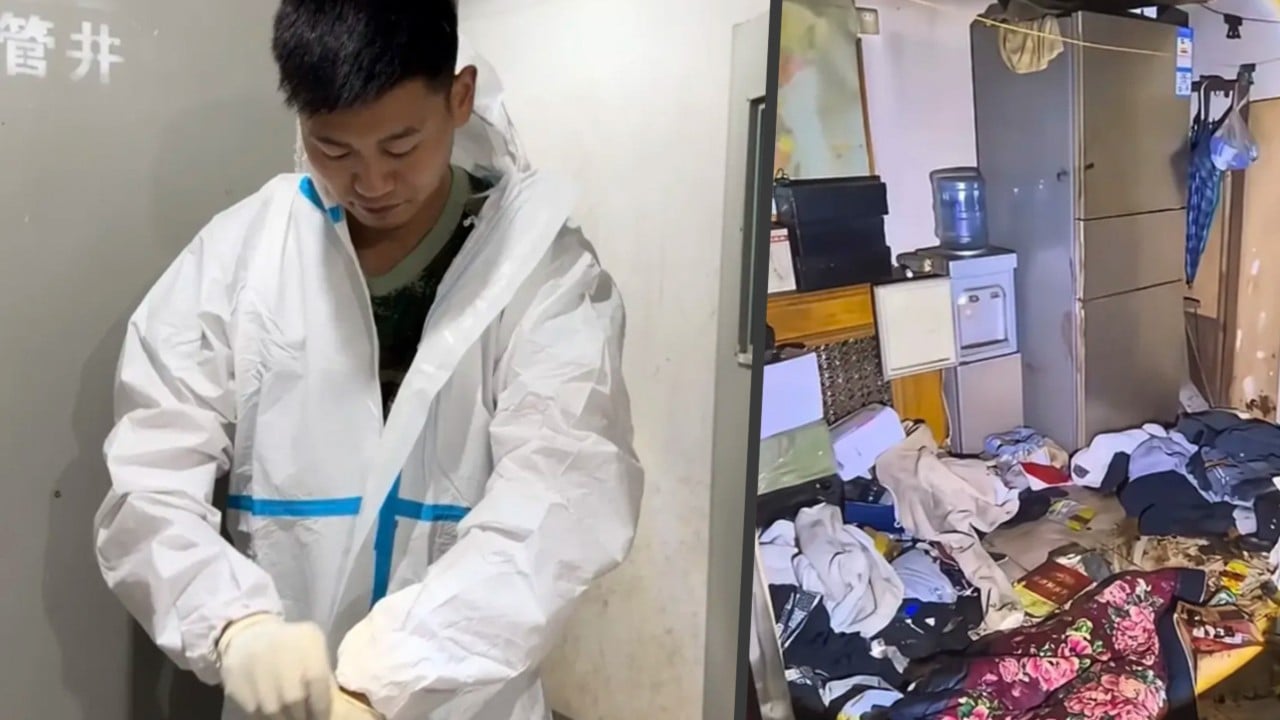
Operators like Dayu, who runs trauma and aftermath cleaning services and plans to expand nationwide, aren't just scrubbing floors. They're clearing out apartments where people died alone—sometimes well before anyone noticed—and they're seeing calls involving both older adults and younger people living by themselves.
Most news coverage stops at a shock headline about lonely deaths and scary job requirements. That misses the real story. Solo living is growing fast across China, family structures look different than they used to, and the gap between living alone and being invisible is wider than many people realize.
Why China Aftermath Cleaners Are Seeing More Cases
To understand China aftermath cleaners, you have to look at housing, work migration, and aging at the same time. China's one-person households have climbed sharply over the past couple of decades, rising from under 3% in 2000 to roughly 20% of households, with projections pointing toward 150 million to 200 million solo residents by 2030—around a third of them aged 20 to 39. Meanwhile, elderly "empty nesters" living alone or with only a spouse reached nearly 60% of older adults in 2021 survey reporting.
When more people live alone, delayed discovery becomes more likely. An older person with chronic health issues can slip and fall without an immediate witness. A younger worker in a big city, far from hometown family and working long hours, can go days without a neighbor knocking on the door.
Trauma cleaning isn't ordinary housekeeping. Workers disinfect rooms, remove biological matter, and restore spaces so someone else—or a landlord—can use them again. Dayu has noted that the work demands nerve and physical fitness, screening out applicants with heart conditions, high blood pressure, or a fear of blood. That physical screening makes total sense if you think about the job: heat, odor, emotional strain, and biohazard protocols wear people down fast.
Why Young People Are Part of the Picture
People usually assume solitary deaths only hit the elderly. Honestly, assuming that is a mistake.
Young adults move to major cities for jobs, rent small apartments, and delay marriage or family formation. Solo living gives them privacy, quiet, and control over their own routines. As social demographer Jean Yeung Wei-Jun of the National University of Singapore has noted in regional reporting on the trend, solo households aren't a passing fad; they're a durable shift.
Freedom and isolation can sit right next to each other. A young adult might have hundreds of online contacts and still go a full weekend without speaking out loud to another human being. That doesn't mean every person living alone is miserable—many love it—but when sudden illness or crisis hits, living solo leaves zero built-in safety net.
Loneliness vs. Living Alone
Researchers draw a sharp line between social isolation and loneliness, and conflating the two leads to bad advice. Social isolation is objective: few social ties or little contact with others. Loneliness is subjective: the distress of feeling disconnected or lacking the closeness you want.
Large-scale research bears out how complex this is for older adults in China. A study drawing on national survey data of more than 220,000 older Chinese adults found an overall loneliness prevalence of 36.6%, shaped by factors like physical health, income, marital status, and daily activity participation. Having mobility, daily routines, and regular activities buffers against loneliness.
Living alone is a household structure, not a death sentence. Unchecked isolation is the real hazard.
👉 See also: jesus i need you
What Most Coverage Gets Wrong
One common misconception is that aftermath cleaners track official national mortality statistics. They don't. A cleaner's client list reflects local demand, urban density, word of mouth, and how quickly families or property managers call for specialized remediation. You shouldn't treat one operator's growth as a precise national rate of solitary death.
Another mistake is treating solo living as purely tragic. For plenty of people, living alone lowers daily friction, protects mental space, and saves commute stress. Even check-in tools—like apps created in China for solo dwellers to tap a daily status prompt—show how people are improvising practical ways to stay visible without giving up independence.
Still, I think society tends to romanticize "rugged independence" while ignoring basic logistics. A locked door is great until nobody has a spare key or a reason to worry when your phone goes quiet for two days.
Practical Ways to Build a Real Safety Net
Whether you live alone yourself or worry about an aging parent or a friend in another city, you don't need dramatic changes to cut down on unseen risk. Start with simple habits that actually stick.
- Set a low-friction check-in rule. Agree on a simple signal with a friend, sibling, or neighbor—like a quick text every couple of days or a shared calendar check—so silence doesn't go unnoticed for a week.
- Keep emergency info visible and shared. Make sure one trusted contact knows who your landlord or building manager is, where a spare key is kept, and any key medical details.
- Build recurring in-person anchors. Weekly classes, community meals, volunteer shifts, or regular calls create natural touchpoints that don't depend on someone remembering to "check in" out of pity.
- Plan ahead for aging parents. Talk early about home layout, fall risks, daily routines, and local support—before a health scare forces rushed decisions.
Chinese 'aftermath cleaners' see surge in lonely deaths among seniors, youth provides a helpful overview of this emerging profession and how it is unfolding across age groups. This video offers broader context on how living alone is reshaping daily life and social connection in China.