If you buy fresh salmon at your local supermarket, it probably came from the deep, icy fjords of southern Chile. It looks clean, tastes rich, and seems like a healthy protein choice. But if you travel down to Patagonia and talk to the coastal communities living right next to the pens, you get a completely different story.
Chile is the world's second-largest producer of farmed salmon, trailing only Norway. That massive economic output has transformed small towns and driven millions in exports. Yet, the price tag for this rapid growth isn't showing up on grocery receipts. It's showing up on the ocean floor. Read more on a connected issue: this related article.
Local residents, indigenous groups, and environmental advocates are increasingly pushing back against intensive aquaculture. They're demanding stronger protections for waters that have spent years absorbing organic waste, chemical treatments, and massive fish die-offs.
The Reality Beneath the Cages
To understand why local communities are mobilizing, you have to look past the surface of the water. Industrial salmon farming relies on high-density pens where hundreds of thousands of fish are packed closely together. While this maximizes efficiency, it creates a heavy biological footprint. More journalism by The Guardian explores similar views on this issue.
Uneaten feed and fish feces drift down to the seabed. In many areas across the Magallanes and Los Lagos regions, government audits and independent scientific reports have shown that this continuous load of organic waste strips oxygen from the water.
When oxygen levels drop, ecosystems collapse. Comau Fjord and surrounding waters have suffered from devastating algal blooms that choked out marine life and wiped out thousands of tons of farmed and wild fish alike.
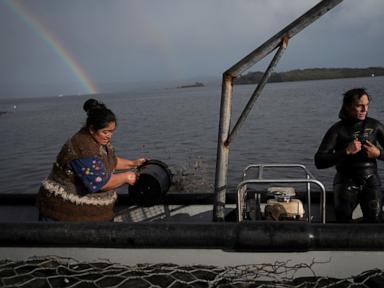
Local fishers and coastal residents watch these cycles happen with mounting frustration. Traditional livelihoods depend on a balanced marine environment. When the fjords suffer, local fisheries suffer right alongside them.
A Clash Between Economic Growth and Conservation
The friction between corporate expansion and local preservation has intensified amid recent political shifts in Santiago. With government pushes to streamline regulations and accelerate aquaculture relocations, industry leaders argue that cutting red tape is essential for staying competitive globally.
Proponents of industry growth point out that thousands of jobs depend on the sector. They argue that modernizing regulations and easing bureaucratic hurdles can help unlock productivity that has stalled over the years.
Critics and grassroots organizations see it differently. Indigenous groups like the Kawésqar have voiced deep concern over the industrialization of pristine territories. For communities with ancestral ties to these coastal waters, the expansion isn't just an environmental issue. It's an existential threat to a way of life that has endured for generations.
What Happens When the Sea Reaches Its Limit
Environmental limits don't care about political compromises or trade targets. When ecosystems are pushed past their carrying capacity, the consequences are severe.
We've seen past crises trigger mass die-offs, forcing companies to scramble and leaving local communities to deal with the foul-smelling aftermath on beaches and shores. Relying on short-term deregulation to boost short-term output often creates long-term financial and ecological volatility.
If you want to support a more sustainable future for seafood, awareness is the first step. Pay attention to where your food comes from, look for certifications that actually verify environmental standards, and support organizations fighting for transparency in global aquaculture supply chains.
The pushback in southern Chile isn't about stopping an industry entirely. It's about questioning whether quick profits are worth sacrificing one of the last great marine wilderness areas on the planet.