For decades, global health conversations followed a predictable script. Wealthy countries worried about overeating and sedentary habits, while the developing world fought a desperate battle against starvation and wasting. That neat separation is dead. Across Asia, Africa, and Latin America, a quiet health emergency is unfolding as childhood obesity rates skyrocket past traditional malnutrition in places entirely unequipped to handle the fallout.
If you look at the data coming out of recent global health studies backed by the World Health Organization, the shift is staggering. Countries that spent generations battling empty stomachs are now watching a generation of kids pack on dangerous amounts of weight. In places like Indonesia, Peru, and various Pacific island nations, childhood obesity has surged past undernutrition. It's not a slow drift. It's a sudden collision of historical poverty with modern, ultra-processed food markets.
The Speed of the Nutrition Transition
In the United States and Europe, the shift from food scarcity to an abundance of cheap, calorie-dense foods took nearly a century. People had generations to build medical infrastructure, public health campaigns, and regulatory frameworks. In emerging economies, that same transition happened in less than two decades.
That speed changes everything. When a country jumps from scarcity to shelves stacked with cheap sugary drinks and instant noodles, public awareness doesn't keep pace. Walk into a modern supermarket in Jakarta or Bogotá, and the options tell the story. A massive share of everyday grocery items fails basic international health standards for sugar, salt, and fat. Manufacturers often push products packed with cheap refined ingredients that are far worse than what you find on shelves in wealthier nations.
Why Traditional Health Systems Aren't Ready
Most local health clinics in developing nations are built to treat infectious diseases, stunting, and vitamin deficiencies. They are not staffed or funded to handle metabolic syndrome, early-onset type 2 diabetes, or chronic pediatric weight management.
When a child develops severe obesity in a lower-income setting, the path to care is full of roadblocks. Specialized pediatric weight clinics are rare and concentrated only in major capital cities. Expensive interventions, like modern GLP-1 weight-loss medications or intensive psychological support, are completely out of reach for the average family unless subsidized by rare clinical trials or hospital programs.
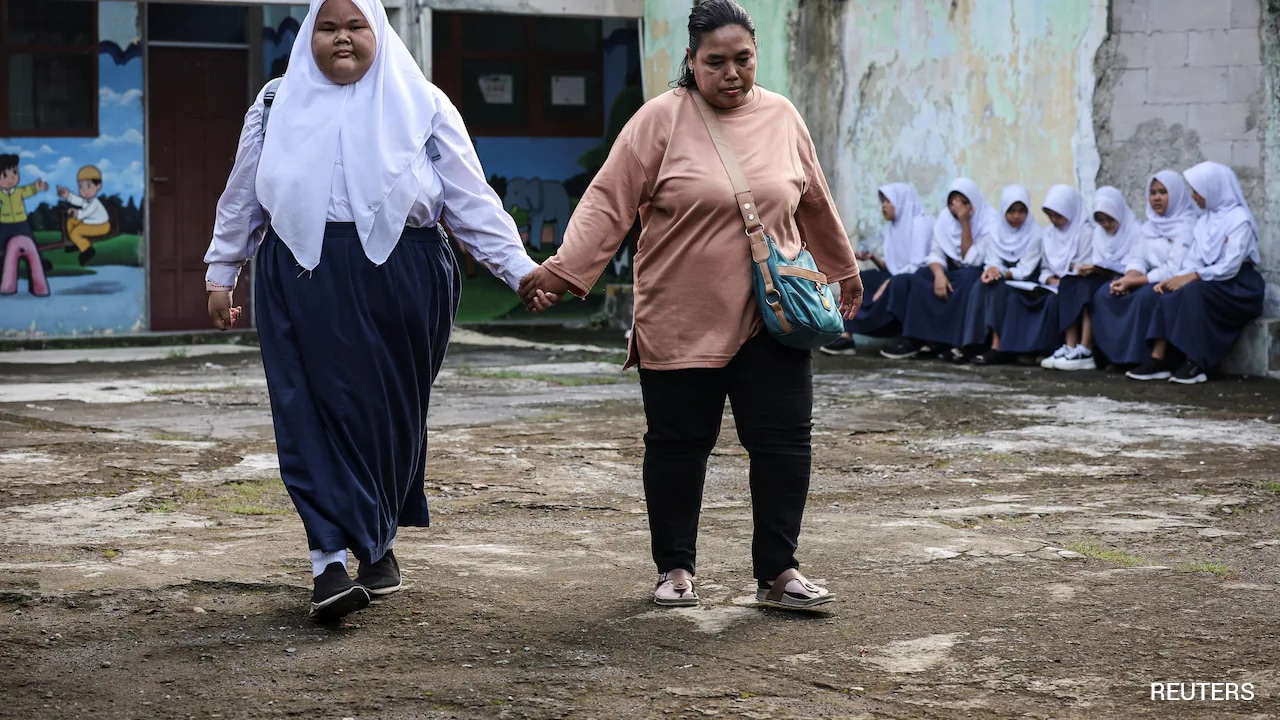
Take the real case of teenagers like Intan, an Indonesian girl who struggled with severe weight gain that peaked at nearly 150 kilograms before specialized medical intervention stepped in. Her story isn't an isolated anomaly. It highlights a brutal reality. Families often have zero access to preventative guidance until a child is already facing severe physical complications and intense social isolation.
The Cultural Blind Spot Around Weight
In many developing regions, a heavy baby or a chubby child has historically been viewed as a sign of health and prosperity. After generations where thinness meant poverty or illness, a round face signaled that a family could finally afford to feed their kids well.
That cultural baseline makes it exceptionally difficult for parents to recognize when extra weight crosses the line into a medical threat. By the time doctors diagnose fatty liver disease or pre-diabetes in a twelve-year-old, the damage is already underway. Public health officials are fighting centuries of deeply ingrained cultural assumptions while trying to counter aggressive corporate marketing of junk food.
What Needs to Change Right Now
Governments can no longer treat childhood obesity as a lifestyle quirk of affluent societies. Waiting for economic development to fix the problem naturally is a failing strategy.
Effective action requires immediate, aggressive policy shifts:
- Enforcing strict limits on marketing junk food and sugary beverages directly to children.
- Implementing clear front-of-pack warning labels, like traffic-light systems, so parents instantly know when a product is loaded with dangerous levels of sugar or sodium.
- Taxing ultra-processed products to fund school nutrition education and local healthcare access.
- Retraining primary healthcare workers to screen for metabolic issues early, rather than waiting for kids to show up at emergency rooms with advanced chronic disease.
If public health policy doesn't adapt to this new reality, the hard-won victories against infectious diseases and childhood mortality risk being completely swallowed by a wave of non-communicable illnesses. The warning signs are flashing bright red. Ignoring them now guarantees a devastating human and economic toll tomorrow.