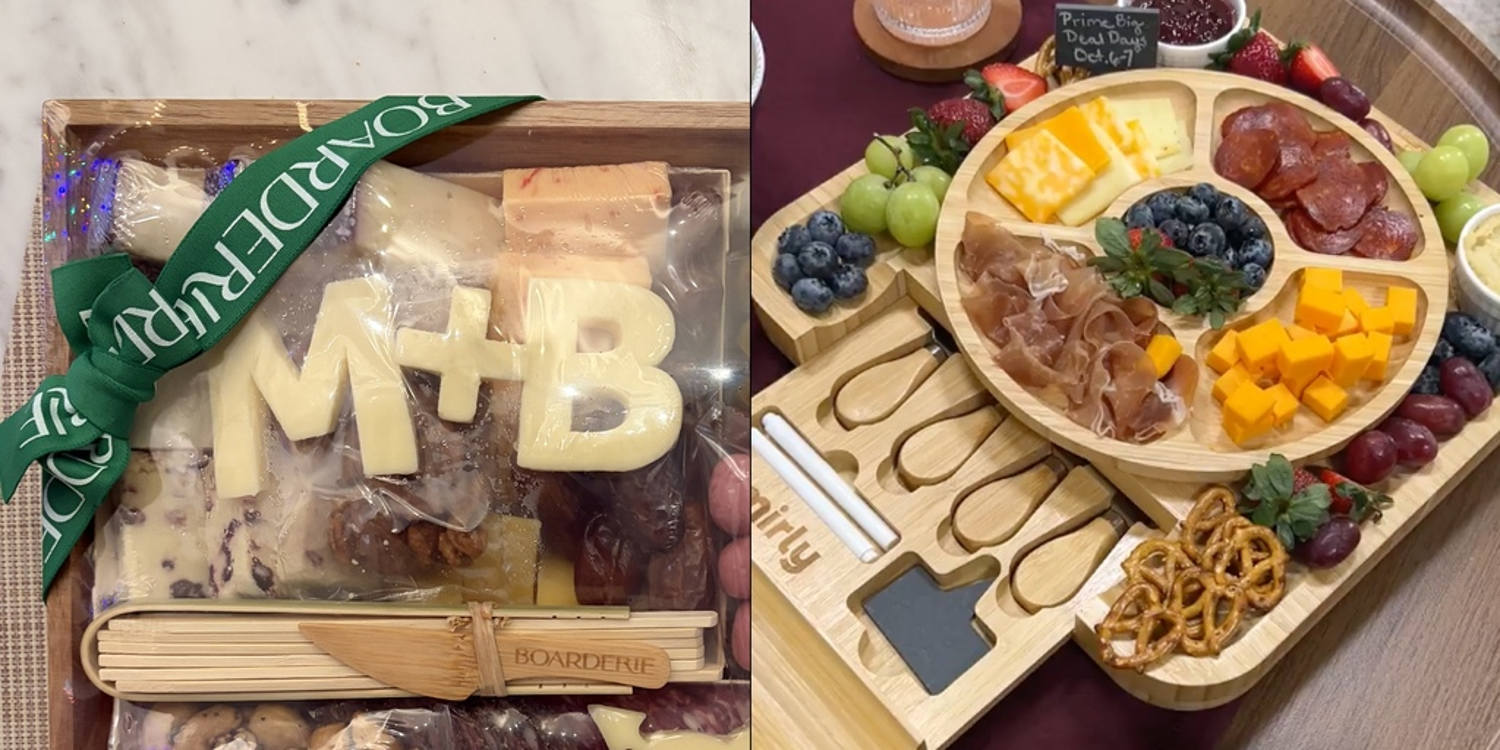
You dump a pack of crackers, throw down some cheddar cubes, and wonder why your grazing platter looks like a snack aisle explosion instead of a magazine cover. Building an incredible charcuterie board isn't about buying a hundred-dollar marble slab. It is about texture, grouping, and honoring the actual food. Most people overthink the arrangement while ignoring the fundamentals of flavor pairing. Let's fix that.
Stop Buying Pre Made Trunks and Build With Intention
The biggest mistake beginners make is overcrowding a tiny wooden board with random grocery store items. Real charcuterie is French for cured meats, though modern entertaining treats the board as a blank canvas for cheeses, fruits, and spreads. You need balance. If every item on your plate is rich and salty, your palate gets tired after three bites.
Start with a solid base. You don't need a designer platter. A clean wooden cutting board, a slate tile, or a large ceramic dinner plate works wonderfully. The trick is choosing something large enough so your food has breathing room. Crowded boards look chaotic and make guests hesitant to dig in.
The Rule of Three For Cheese and Meat
Variety keeps things interesting, but too many choices overwhelm people. Stick to a tight curation. Pick three cheeses with contrasting textures and milks.
- One soft or creamy option like a triple-cream brie or goat cheese.
- One firm or aged option like a sharp cheddar or aged manchego.
- One wild card like a blue cheese or a washed-rind cheese with a punchy aroma.
For meats, fold or ribbon your items instead of laying them flat in boring stacks. Prosciutto looks best when folded loosely into gentle waves or ruffles. Salami should be folded into quarters or draped in overlapping rows. Texture draws the eye.
The Architecture of Arrangement
Professional caterers don't just scatter food randomly. They build anchor points. Place your bowls for wet items like honey, mustard, or cornichons down first. These break up the visual space and keep messy liquids contained.
Next, place your cheeses. Keep them whole or partially sliced so guests feel invited to cut into them. Fan your crackers and bread around the edges of the board or in intentional piles rather than lining them up like toy soldiers. Fill the remaining gaps with grapes, dried figs, Marcona almonds, and sprigs of fresh rosemary.
Let your cheese sit at room temperature for thirty minutes before serving. Cold cheese tastes like nothing. Bringing it to room temp unlocks the fats and complex flavor profiles you paid for. Grab a decent knife for each cheese type, pour yourself a glass of wine, and stop stressing over perfection. Good food always wins.